What is glycemic balance, and why is it essential?
Glycemic balance refers to the stability of blood glucose levels within normal physiological ranges throughout the day—avoiding excessive postprandial hyperglycemic spikes and reactive hypoglycemia. This balance depends on the interaction between diet, physical activity, hormones (insulin, glucagon, cortisol), and pancreatic function. Supportive supplements are available in the blood glucose and blood sugar control supplement lines in the store.
- Consequences of chronic blood sugar imbalance: repeated hyperglycemia → glycation of vascular proteins → accelerated atherosclerosis — neuropathy — nephropathy — retinopathy — progressive insulin resistance → prediabetes → type 2 diabetes
- Reactive hypoglycemia: rapid blood sugar spike (simple sugars) → insulin spike → blood sugar drop below 0.70 g/L → tremors, sweating, intense hunger, palpitations, difficulty concentrating — commonly occurs 2 to 3 hours after a meal high in fast-acting carbohydrates
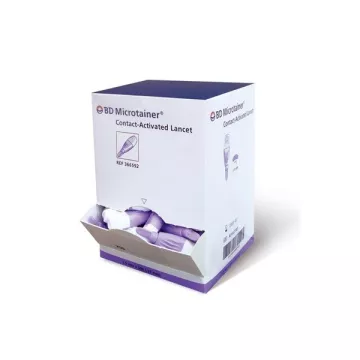
- Measurement tools: fasting blood glucose (normal 0.70–1.10 g/L) — HbA1c (reflects average blood glucose levels over 3 months — normal < 5.7%) — blood glucose meter for self-monitoring at home — see the blood glucose page for complete values
Glycemic Index, Glycemic Load, and Nutritional Strategies
- Glycemic Index (GI): measures how quickly a food raises blood glucose levels — Low GI (< 55) : légumineuses, légumes, céréales complètes, fruits entiers — IG élevé (> 70): white bread, potatoes, white rice, sugary drinks, sweets
- Glycemic Load (GL): GI × amount of carbohydrates per serving / 100 — a more accurate indicator of the actual impact on blood glucose levels — watermelon has a high GI but a low GL (few carbohydrates per serving) — prioritize foods with a low GL (< 10 per meal)
- Practical nutritional strategies: spreading out meals (3 meals + 1–2 snacks—avoids long periods of fasting)—combine fiber, protein, and healthy fats at every meal (slows carbohydrate absorption) — Eat vegetables and protein before carbohydrates (affects the postprandial spike) — Cook pasta and grains al dente (lower GI) — Let cooked starchy foods cool (resistant starch — GI ↓)
- Stress and blood glucose: Cortisol and adrenaline released during stress stimulate hepatic gluconeogenesis → blood glucose ↑ — stress management (cardiac coherence, meditation) is essential for glycemic balance — seehyperglycemia
Physical activity and supplements to support blood sugar balance
- Physical activity: Muscle contraction uses glucose via an insulin-independent pathway — 150 min/week of moderate-intensity activity improves insulin sensitivity over the long term — postprandial walking (10–15 min) significantly reduces the blood glucose peak — resistance training (weight training) increases muscle mass = improved glucose uptake
- Cinnamon (Cinnamomum verum): cinnamaldehyde improves insulin sensitivity — 1 to 3 g/day of extract — several positive clinical trials — not a substitute for antidiabetic treatment — choose genuine Ceylon cinnamon (low in coumarin)
- Chromium (picolinate): potentiates the action of insulin — common deficiency in low-calorie diets — 200 to 400 µg/day — use with caution in diabetics receiving treatment (consult a doctor)
- Magnesium: cofactor in insulin signaling — deficiency associated with insulin resistance — 300 to 400 mg/day of bisglycinate
- These supplements support a healthy lifestyle—they are not a substitute for medical treatment of diabetes—consult a doctor before taking any supplements if you are currently on antidiabetic medication