What are fine lines, and how do they form?
Fine lines are thin, superficial lines that appear on the surface of the epidermis, mainly on the most mobile or thinnest areas of the face: around the eyes (“crow’s feet”), around the mouth, on the forehead, and emerging nasolabial folds. They are often the first visible signs of skin aging.
Their appearance results from several mechanisms:
- A gradual decrease in dermalcollagen and elastin: endogenous production declines by about 1% per year after age 25–30.
- Skin dehydration: fine lines may be temporary when caused by a lack of water in the epidermis.
- Repeated facial expressions: muscle movements gradually carve out the skin.
- Photoaging due to cumulative UV exposure (the primary extrinsic factor; see cutaneous photoaging).
- Tobacco, pollution, and oxidative stress, which damage dermal fibers.
- Nutritional deficiencies, chronic dehydration, and insufficient sleep.
Fine lines generally precede the first wrinkles and deeper, more established wrinkles.
How can you prevent the appearance of fine lines?
Prevention relies on simple but consistent habits:
- Daily sunprotection: broad-spectrum SPF 30 to 50 sunscreen every morning, summer and winter, even on cloudy days. UV exposure accounts for 80 to 90% of visible extrinsic skin aging.
- Topical and internal hydration: creams suited to your skin type, and regular water intake throughout the day.
- Antioxidant-rich diet: fruits, colorful vegetables, nuts, and fatty fish.
- Limit tobacco and alcohol, which accelerate aging (oxidative stress, glycation).
- Regular, high-quality sleep: Cell regeneration occurs largely during deep sleep.
- Stress management, as stress triggers chronic systemic inflammation.
- A consistent skincare routine with targeted active ingredients (retinol, vitamin C, peptides, hyaluronic acid).
What are the best ingredients for treating fine lines?
Certain active ingredients are backed by solid scientific evidence:
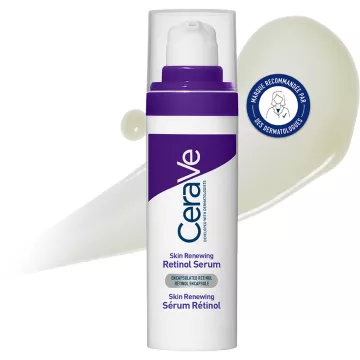
- Retinol (a cosmetic derivative of vitamin A): stimulates cell turnover and collagen synthesis. Photosensitizing: apply only in the evening; use SPF in the morning. Start gradually (2–3 times per week) to minimize “retinization” (redness, initial peeling). Cosmetic retinol is contraindicated during pregnancy and breastfeeding as a precaution; medical retinoids (tretinoin, isotretinoin) are strictly contraindicated as they are teratogenic.
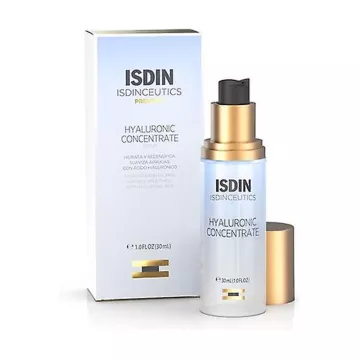
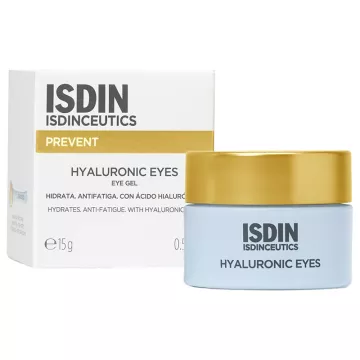
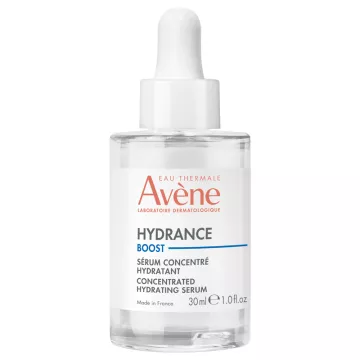
- Hyaluronic acid: a hygroscopic molecule capable of retaining up to 1,000 times its weight in water. Smooths the epidermis and visually fills in fine lines caused by dehydration. Different molecular weights target different depths of action.
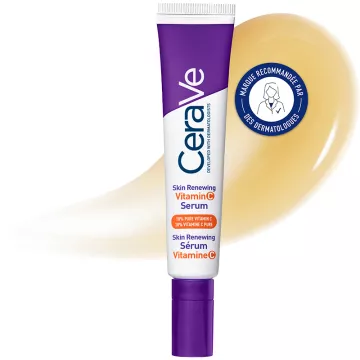
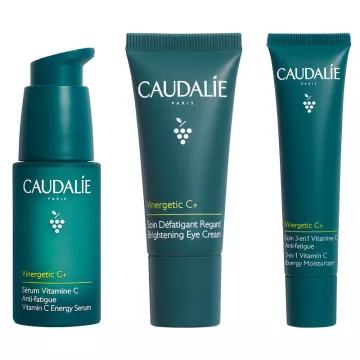
- Topical vitamin C (10–20% L-ascorbic acid or stable derivatives): a powerful antioxidant that neutralizes free radicals and supports collagen synthesis. Sensitive to light and air: choose opaque, airtight packaging.
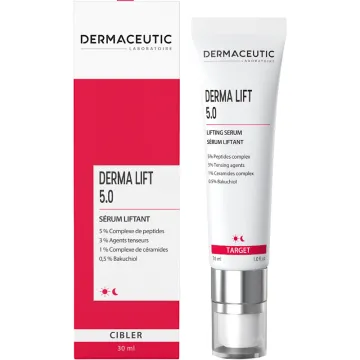
- Signalingpeptides (Matrixyl, Argireline, copper peptides): amino acid fragments that modulate certain cellular repair pathways. Moderate but well-documented effects.
- Niacinamide (vitamin B3, 5–10%): improves the skin’s barrier function, reduces redness, and improves radiance and pore appearance. Well-tolerated and compatible with most active ingredients.
- Mild exfoliating acids (AHAs: glycolic, lactic, mandelic): promote skin renewal. Photosensitizing.
Can natural treatments help reduce fine lines?
Several natural active ingredients provide complementary cosmetic benefits, though they do not match the performance of well-documented targeted active ingredients:
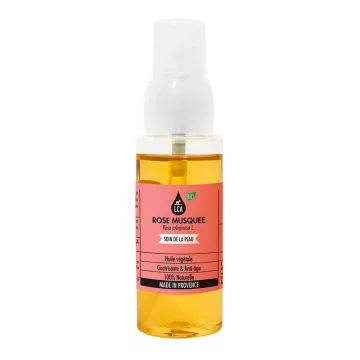
- Rosehip oil: rich in essential fatty acids (omega-3, omega-6) and provitamin A (natural trans-retinoic acid). Recognized for its effect on skin regeneration.
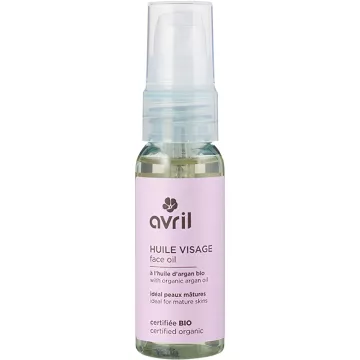
- Argan oil: rich in vitamin E and unsaturated fatty acids, with nourishing and antioxidant properties.
- Jojoba: a liquid wax similar to human sebum, perfectly biocompatible, and well-tolerated by all skin types.
- Aloe vera: moisturizing and soothing; pleasant as a gel on sensitive skin.
- Honey masks: provide temporary moisturizing and antioxidant benefits.
- Cornflower, helichrysum, and rosehydrosols: gentle, refreshing toners.
These approaches complement a targeted skincare routine without replacing it. Test for tolerance before introducing any new product.
What is the difference between fine lines and wrinkles?
Understanding the distinction is helpful for tailoring your skincare approach:
- Finelines : thin, superficial lines visible in the light, often temporary (they fade with proper hydration). Caused by dehydration and repeated facial expressions.
- Wrinkles: deeper, permanent folds resulting from structural loss of collagen and elastin, sagging of subcutaneous tissue, and the effects of gravity. See expression lines.
Fine lines respond well to targeted skincare treatments (hydration, retinol, peptides, vitamin C). Established wrinkles often require more advanced treatments, sometimes at a dermatology or aesthetic medicine clinic.
Are anti-wrinkle creams effective?
The actual effectiveness of anti-wrinkle creams depends on several factors: the active ingredients present and their concentration, the formulation (penetration capacity), consistency of use, skin type, and associated sun protection. Results are measurable with active ingredients whose effectiveness is well-documented (retinol, stabilized vitamin C, bioactive peptides, hyaluronic acid, niacinamide) when used consistently over several months.
However, no cream can permanently erase established wrinkles or replicate the effects of medical procedures (injections, lasers). Editorial integrity requires presenting expectations realistically: visible, gradual improvement rather than a “miracle” effect.
Are in-clinic treatments for fine lines safe?
Cosmetic medical procedures are generally safe when performed by trained physicians (dermatologists, cosmetic physicians) in compliant facilities:
- Type A botulinum toxin injections (“Botox®” is a brand name): temporarily relax the muscles responsible for expression lines (forehead, glabella, crow’s feet). Duration of effect: 3 to 6 months. This medication is available only by strict medical prescription.
- Hyaluronic acid dermal fillers: restore volume and reduce wrinkles and fine lines. Lasts 6 to 18 months depending on the area and the product. Reversible with hyaluronidase if necessary.
- Chemical peels ranging from superficial (glycolic, salicylic, mandelic acids) to deep (TCA): stimulate epidermal renewal and collagen synthesis.
- Non-ablative or ablativefractional lasers, radiofrequency, and HIFU (high-intensity focused ultrasound): non-surgical approaches to stimulate collagen production.
- Microneedling performed in a medical office (self-administration at home is not recommended).
A preliminary medical consultation helps assess indications, contraindications, and realistic expectations. Verify that the practitioner has the required regulatory qualifications.
Can facial massage devices reduce fine lines?
Facial massage devices (jade rollers, gua sha, vibrating devices, microcurrent devices ) have a documented effect on local circulation and lymphatic drainage, resulting in improved radiance in the short term. The structural effect on wrinkles and fine lines remains modest and controversial in the scientific literature. They may also improve the penetration of serums.
Reasonable conditions for use: a clean device, makeup-free skin, gentle movements without excessive stretching, and moderate frequency. Seek prior dermatological advice if you have couperose, fragile capillaries, rosacea, or inflammatory acne.
Does sleep affect the appearance of fine lines?
Sleep is an often-underestimated factor. During deep sleep phases, the body releases growth hormone, stimulates cell regeneration, and supports collagen synthesis. Chronic insufficient or poor-quality sleep results in a dull complexion, more pronounced dark circles, drier skin, and, in the long term, accelerated skin aging.
Some practical tips: Get 7 to 9 hours of regular sleep; sleep on your back if possible to minimize “sleep lines” (pressure creases); use a silk or satin pillowcase (a modest but documented effect on friction and dehydration); a soothing evening routine to help you fall asleep.
Can dietary supplements help reduce fine lines?
Several dietary supplements can support skin health in cases of insufficient intake or specific nutritional needs:
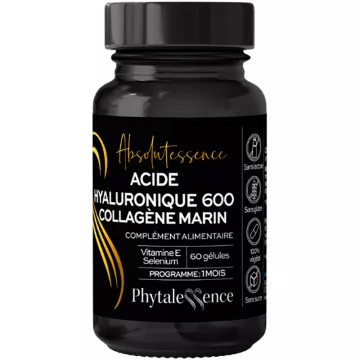
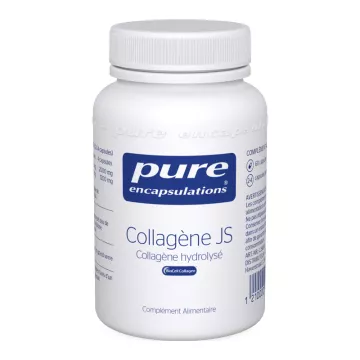
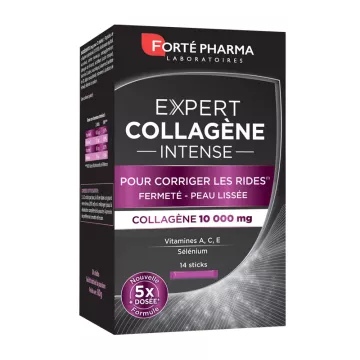
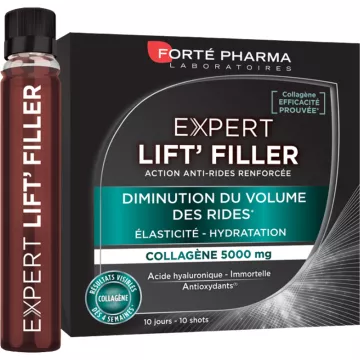
- Hydrolyzed marine collagen: Published clinical studies lasting 8–12 weeks suggest a modest improvement in elasticity and hydration. Doses studied: 2.5 to 10 g/day. Caution advised for people with fish allergies.
- Omega-3 EPA/DHA: anti-inflammatory effect; supports the skin barrier.
- Vitamin C, vitamin E, zinc, selenium: antioxidants involved in collagen synthesis and defense against oxidative stress.
- Polyphenols (green tea, grapes, pomegranate, acai): overall antioxidant effect.
- Vitamin D based on individual status (to be tested).
Pharmaceutical consultation recommended if currently taking medication (e.g., anticoagulants with omega-3) or managing a chronic condition.
Can lifestyle habits influence the appearance of fine lines?
Lifestyle has a significant impact on skin aging. The most well-documented contributing factors are:
- Chronic unprotected sun exposure: the primary accelerator of extrinsic skin aging (accounting for up to 80–90% of visible signs).
- Smoking: impairs skin microcirculation, breaks down elastic fibers and collagen, and accelerates the appearance of wrinkles around the mouth.
- An unbalanced diet, excessive intake of simple sugars (glycation of dermal fibers), and excessive alcohol consumption.
- Chronic stress: low-grade systemic inflammation.
- Prolongedinsufficient sleep.
- Air pollution and fine particulate matter.
- Repetitive facial expressions (frowning, squinting) and prolonged use of ill-fitting glasses.
The sooner these factors are addressed, the more their cumulative effect on fine lines is limited.
Non-invasive methods for treating fine lines?
Several non-surgical approaches are available, to be evaluated based on the treatment areas and the individual’s profile:
- Microdermabrasion: gentle mechanical exfoliation of the superficial layers of the epidermis; can be performed at a beauty salon or in a doctor’s office, depending on the depth.
- Skin radiofrequency: electromagnetic waves used to heat the deep dermis and stimulate collagen synthesis.
- LED therapy (primarily red): specific wavelengths to promote collagen production and soothe the skin. Effects are modest but cumulative with regular use.
- HIFU (high-intensity focused ultrasound): targets deep layers for a skin-tightening effect.
- Masks and serums with concentrated active ingredients as part of a daily routine.
- Localized skin cryotherapy.
Consulting a dermatologist or cosmetic physician will help you prioritize these options based on your goals and tolerance.