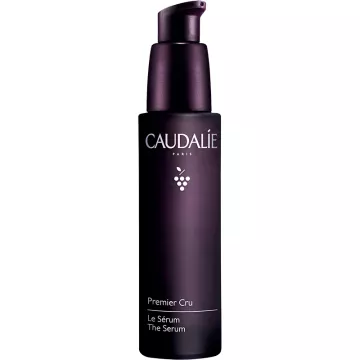
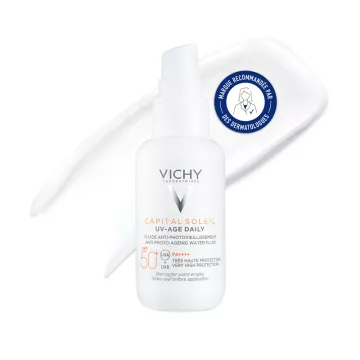
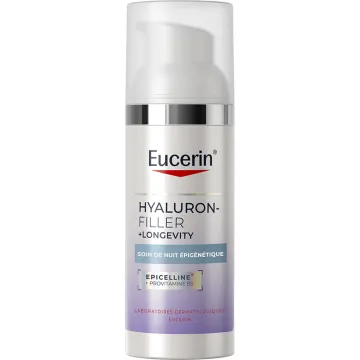
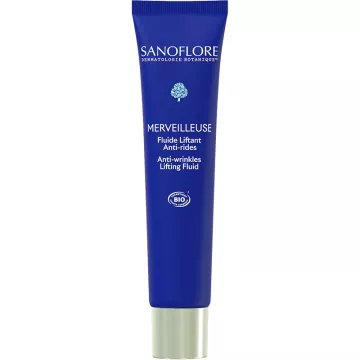
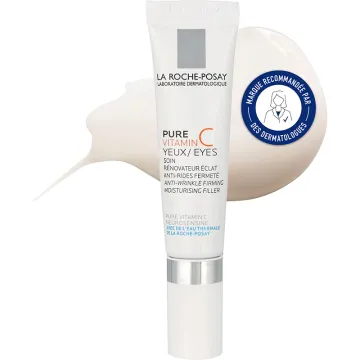
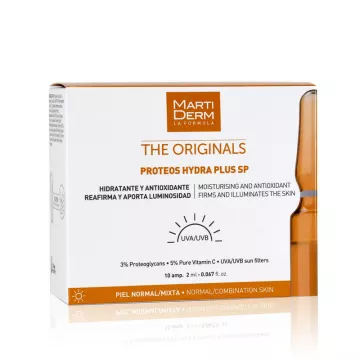
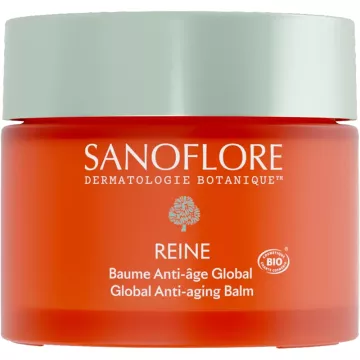
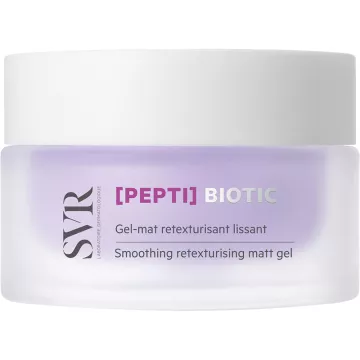
What is an anti-wrinkle cream?
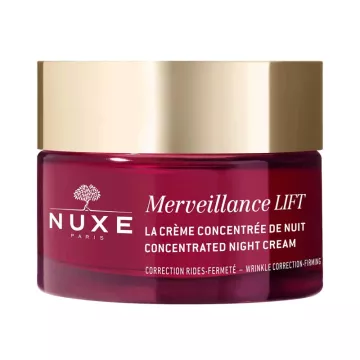
An anti-wrinkle cream is a cosmetic product formulated to reduce wrinkles and fine lines and support overall skin health. It works in several ways: hydrating the outer layers of the skin, stimulating collagen and elastin synthesis, protecting against free radicals, and improving cell renewal.
An anti-wrinkle cream is part of a broader skincare routine that includes gentle cleansing, a targeted serum, daily sun protection, and complementary treatments. It is not a substitute for a healthy lifestyle (sleep, diet, physical activity, quitting smoking) or aesthetic medical procedures for the most pronounced, long-standing wrinkles.
How does an anti-wrinkle cream work?
Several mechanisms of action work together in a well-formulated anti-wrinkle cream:
- Hydration: humectants (glycerin, hyaluronic acid) that draw water into the epidermis; occlusives (squalane, shea butter, waxes) that limit water loss; and barrier-restoring agents (ceramides).
- Collagen stimulation: retinol, peptides, vitamin C, and, to a lesser extent, AHAs.
- Antioxidant protection: vitamin C, vitamin E, niacinamide, polyphenols, and coenzyme Q10, which neutralize the free radicals responsible for extrinsic aging.
- Cell renewal: retinol and AHAs accelerate the removal of dead skin cells and reveal brighter-looking skin.
- Cellular modulation: signaling peptides (Matrixyl, Argireline) that direct fibroblast activity or muscle contraction (modest “Botox-like” effect).
- Immediate plumping effect from hyaluronic acid of various molecular weights.
These effects are complementary and progressive, becoming measurable over a period of several weeks to several months.
What are the best ingredients to look for in an anti-wrinkle cream?
Several active ingredients have strong supporting evidence:
- Retinol: the most well-documented active ingredient for reducing wrinkles and stimulating collagen. Apply in the evening, starting gradually (2–3 times a week); use SPF in the morning. Not recommended during pregnancy and breastfeeding as a precaution; prescription retinoids (tretinoin, isotretinoin) are known to be teratogenic.
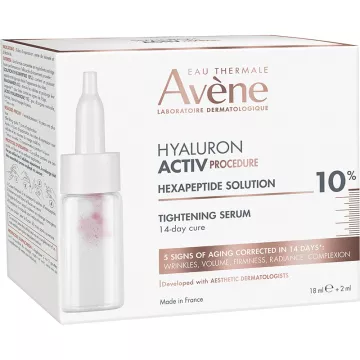
- Signaling peptides: Matrixyl (palmitoyl pentapeptide), Argireline (acetyl hexapeptide), copper peptides. Moderate but well-documented efficacy.
- Hyaluronic acid: various molecular weights to target the surface (immediate smoothing effect) or deeper layers.
- Topical vitamin C (10–20% L-ascorbic acid or stable derivatives): antioxidant and cofactor in collagen synthesis.
- Vitamin E (tocopherol): a lipophilic antioxidant that protects cell membranes.
- Niacinamide (vitamin B3, 5–10%): supports the skin barrier, reduces redness, and helps address dark spots and regulate sebum production.
- Ceramides, cholesterol, and essential fatty acids: restore the skin barrier, which is often weakened in mature skin.
- Coenzyme Q10 (ubiquinone): an energizing antioxidant, with effectiveness that may vary depending on the formulation.
- AHAs (glycolic, lactic, mandelic): promote skin renewal and radiance.
- Centella asiatica (madecassoside, asiaticoside): promotes regeneration and collagen synthesis.
- Resveratrol, plant polyphenols: complementary plant-based antioxidants.
- Bakuchiol: a botanical alternative to retinol, suitable for sensitive skin and during pregnancy (as advised).
- Plant-basedsqualane and precious oils (rosehip, argan, jojoba): lipid nourishment for mature skin.
At what age should you start using an anti-wrinkle cream?
There’s no single age to start. The approach is gradual:
- Teenage years and ages 20–25: daily SPF 30–50 sun protection (the most effective anti-aging measure, backed by decades of dermatological research).
- Ages 25–30: Add topical antioxidants (vitamin C, niacinamide), sustained hydration, and initial firming treatments.
- Ages 30–35: Gradually introduce cosmetic retinol, hyaluronic acid serums, and peptides. This is the period when natural collagen production begins to decline and when a well-structured anti-aging routine offers the greatest long-term benefits.
- Ages 40–50: Intensify active ingredients; use richer textures depending on skin type; provide cosmetic hormonal support during menopause for women.
- Over 50: Nourishing creams, barrier support, and possible combination with aesthetic medicine treatments for established wrinkles.
Early use of sun protection and antioxidants remains the most effective long-term strategy. No cream can “cure” established wrinkles, but a routine started early slows their appearance and deepening.
How do you choose the best anti-wrinkle cream for your skin type?
Several criteria guide the choice:
- Dry skin: rich creams containing ceramides, hyaluronic acid, shea butter, and precious oils (rosehip, argan, jojoba). Cream or balm textures.
- Combination skin: Balanced creams in gel-cream or fluid emulsion formulas that are moisturizing without being heavy.
- Oily skin: non-comedogenic formulas, gel or fluid textures, concentrated serums. Niacinamide is recommended.
- Sensitive or reactive skin: products free of denatured alcohol and fragrance, hypoallergenic. Gentle active ingredients: peptides, bakuchiol, niacinamide, AH. Introduce potent active ingredients gradually.
- Skin with couperose or rosacea: Avoid potent retinoids, harsh AHAs, and drying alcohols. Opt for centella, niacinamide, peptides, and AH.
- Pigmented skin (phototypes IV to VI): Use irritating active ingredients with caution (risk of post-inflammatory hyperpigmentation); ensure rigorous sun protection.
- Mature, postmenopausal skin: active ingredients that target elasticity and firmness, cosmetic phytoestrogens, peptides, and barrier support.
- Eye area: products specifically designed for this delicate and sensitive area.
Critical reading of labels: active ingredients at the top of the INCI list (the higher the concentration, the higher the ingredient appears), opaque packaging for sensitive active ingredients (vitamin C, retinol), listed fragrance allergens.
How and when should you apply an anti-wrinkle cream?
For best results:
- Twice a day on average: a suitable cream in the morning, a richer cream or targeted active ingredients in the evening.
- On clean, toned skin: after gentle cleansing and applying a serum, if part of your routine.
- A moderate amount (equivalent to a grain of rice to a pea for the face and neck), warmed between your fingers before application.
- Useupward strokes from the center outward: forehead, cheeks, neck, and décolletage.
- Usegentle pressure rather than rubbing to minimize friction on mature skin.
- Do not pull on the skin: avoid stretching the skin around the eyes or lips.
- Adapt to specific areas: use products specifically designed for the eye area, lip area, neck, and hands.
- Applysunscreen in the morning over your day cream; wait 1–2 minutes between layers.
- Consistency: It’s consistency that makes the difference in the long run.
Anti-wrinkle cream or sunscreen: which should you choose?
Daily sun protection is the best-documented anti-aging practice. UV rays are responsible for 80 to 90% of the visible signs of skin photoaging (wrinkles, dark spots, loss of elasticity, sagging). No anti-wrinkle cream can compensate for unprotected sun exposure.
However, sun protection and anti-wrinkle cream are complementary:
- Sunscreen prevents future damage.
- Anti-wrinkle cream repairs and stimulates cellular regeneration processes.
The ideal routine: a moisturizing day cream + an antioxidant serum + SPF 30–50 in the morning, and a night cream with targeted active ingredients in the evening. Some day creams include SPF protection, but the amount applied is generally insufficient to achieve the advertised SPF: a dedicated sunscreen is still preferable for complete protection.
Can deep wrinkles be reduced with anti-wrinkle creams?
Anti-wrinkle creams have structural limitations:
- They act primarily on the superficial layers of the epidermis and, to a lesser extent, on the dermo-epidermal junction.
- Deep-set wrinkles (frown lines, pronounced nasolabial folds, deep marionette lines) cannot be erased by a cosmetic product alone.
- Regular use can reduce the appearance of these wrinkles and improve the overall quality of the skin, but it does not “erase” them permanently.
For deep wrinkles, aesthetic medicine procedures provide more pronounced results:
- Botulinum toxin injections for expression lines (forehead, glabella, crow’s feet).
- Hyaluronic acid filler injections for deep furrows and loss of volume.
- Medium- to deep-level chemical peels performed in a doctor’s office.
- Non-ablative or ablative fractional lasers.
- Radiofrequency and HIFU (high-intensity focused ultrasound) for skin firming.
- Microneedling performed in a medical office.
These procedures should be evaluated during a consultation with a dermatologist or a trained aesthetic physician. Anti-wrinkle cream remains useful for daily maintenance and as a complementary treatment.
Are anti-wrinkle creams effective on all skin types?
Yes, providedthe formulation is tailored accordingly:
- All skin types can benefit from a consistent anti-aging routine.
- The active ingredients are often the same (retinol, peptides, vitamin C, AH, niacinamide), but the concentration, formulation, and combination vary depending on the skin type.
- The most sensitive skin types benefit from gentle active ingredients (peptides, bakuchiol, PHAs, niacinamide) before moving on to retinol.
- Skin that is more tolerant can quickly incorporate retinol, AHAs, and concentrated vitamin C.
- Adapting to these products also requires professional advice (from a pharmacist or dermatologist) in cases of doubt, skin conditions, or complex skincare routines.
How can you tell if an anti-wrinkle cream is effective?
There are several objective and subjective indicators:
- Immediate sensations: comfortable skin, a supple feel, and no irritation after a few days of use.
- Changes over 4–8 weeks: smoother skin, more even complexion, reduced fine lines.
- Changes over 12–24 weeks: improved firmness and elasticity; reduction in deeper wrinkles (for formulas with the optimal concentration of clinically proven active ingredients).
- Long-termresults: This effective cream supports changes that are sustained with regular use.
- Transparent formulation: active ingredients listed at the beginning of the INCI list, concentrations specified, and claims backed by evidence.
- Published, independent (peer-reviewed)clinical studies rather than mere marketing claims.
- Comparative photos taken under standardized conditions (lighting, angle, facial expression).
- Qualitativeuser reviews over time rather than isolated reviews based on just a few days of use.
Be wary of “miracle” promises of immediate plumping or permanent lifting effects: no cream can deliver on these claims. A good anti-wrinkle cream provides gradual, measurable improvements, not dramatic transformations.
How long does it take to see results?
Timelines vary depending on the active ingredients and other factors:
- 2 weeks: improved hydration, skin comfort, and initial radiance.
- 4–8 weeks: improved texture and skin tone; reduction in fine lines caused by dehydration.
- 8–12 weeks: visible reduction in superficial fine lines; effects on pigment spots.
- 12–24 weeks: measurable structural improvements (firmness, elasticity, reduction in deeper wrinkles) with the most well-documented active ingredients (retinol, properly dosed peptides).
To maintain and enhance results, the routine must be continued. A prolonged break leads to a gradual return to the initial condition, or even a worsening of the condition with age. Consistency is key. When combined with a healthy lifestyle (sleep, diet, sun protection, stress management), the anti-wrinkle cream reaches its full potential.