Cell Renewal: Definition and Health Implications
Cell renewal is the ongoing process by which aged or damaged cells are replaced by new ones. This mechanism ensures tissue vitality, skin radiance, bone strength, proper functioning of the intestinal lining, and blood quality. Unlike cellular regeneration, which is triggered by an injury, cellular renewal operates continuously in the background throughout one’s entire life.
The kinetics of renewal vary considerably depending on the tissue:
- Epidermis: a complete cycle of about 28 days in young adults, which gradually lengthens to 40–60 days with age.
- Intestinal mucosa: renewal every 3 to 5 days.
- Red blood cells: lifespan of approximately 120 days.
- Liver cells: the liver has a very high capacity for regeneration.
- Hair follicles, nails: distinct cycles (3–7 years for the anagen phase of hair growth).
- Bones: continuous remodeling via osteoclast-osteoblast interaction; complete skeletal cycle approximately every 7 to 10 years.
- Neurons and cardiac cells: very limited renewal in adults.
How does skin cell renewal work?
The skin provides the most visible example of cell renewal. The epidermis consists of five layers:
- Basal layer: home to stem keratinocytes that divide and supply the upper layers.
- Stratum spinosum: keratinocytes migrate and differentiate.
- Granular layer: production of keratohyalin granules and initiation of keratinization.
- Translucent layer (found only on the palms and soles).
- Stratum corneum: dead cells (corneocytes) bound together by intercellular lipids (ceramides, cholesterol, fatty acids), which form the outer protective barrier.
With each cycle, the outermost corneocytes slough off and are replaced by cells from below. When this cycle slows down (due to age, fatigue, or dehydration), the skin appears dull, uneven, and rougher, with an accumulation of dead cells that clogs the pores and dulls the skin’s radiance.
In the dermis, the extracellular matrix is continuously remodeled by fibroblasts through the production of collagen, elastin, andhyaluronic acid. This continuous remodeling determines the skin’s firmness, elasticity, and suppleness.
What factors influence cell renewal?
Multiple factors influence the effectiveness of cell renewal:
- Age: the cycle gradually lengthens, and stem cells become fewer in number and less active.
- Diet: intake of protein, vitamins, minerals, antioxidants, and omega-3 fatty acids.
- Hydration: Well-hydrated skin renews its surface cells more effectively.
- Sleep: Regeneration is most active during deep sleep phases, influenced by growth hormone and melatonin.
- Physical activity: improves circulation and tissue oxygenation and supports stem cell mobilization.
- Chronic stress: raises cortisol levels, increases inflammation, and slows regeneration.
- UV exposure: damages cellular DNA, accelerates photoaging of the skin, and slows down renewal.
- Tobacco and alcohol: generate free radicals, damage DNA, and slow healing.
- Pollution: fine particulate matter, ozone, aromatic hydrocarbons.
- Hormones: estrogen, testosterone, growth hormone, thyroid hormones.
- Age-relatedlow-grade chronic inflammation (“inflammaging”).
- Metabolic disorders: diabetes, obesity, metabolic syndrome.
- Long-termmedications (particularly corticosteroids) that can slow regeneration.
Which cosmetic ingredients support cell renewal?
Several cosmetic active ingredients have robust data supporting their effects on epidermal renewal:
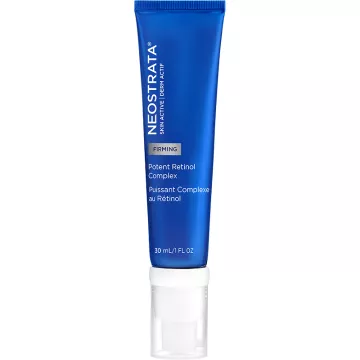
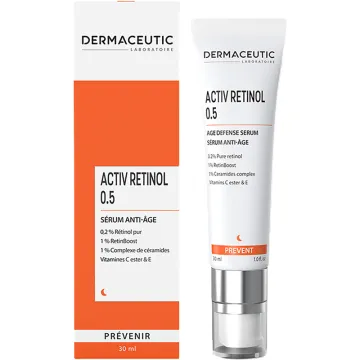
- Retinol (cosmetic, a vitamin A derivative): accelerates cell renewal and stimulates collagen synthesis. Apply only at night, starting gradually (2–3 times per week); use SPF in the morning. Contraindicated during pregnancy and breastfeeding as a precaution. Medical retinoids (tretinoin, topical isotretinoin) are prescription-only, more potent, and teratogenic.
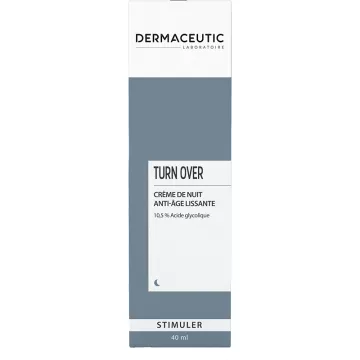
- Chemical exfoliating acids: AHAs (glycolic, lactic, mandelic, malic) and BHAs (salicylic acid). They remove superficial corneocytes and promote renewal. Photosensitizing: SPF is essential.
- PHAs (polyhydroxy acids: gluconolactone, lactobionic acid): a gentler alternative to AHAs, better tolerated by sensitive skin.
- Topicalvitamin C (10–20% L-ascorbic acid or stable derivatives): an antioxidant and cofactor in collagen synthesis (proline and lysine hydroxylation).
- Signaling peptides (Matrixyl, Argireline, copper peptides): modulate cellular repair pathways.
- Niacinamide (vitamin B3, 5–10%): improves the skin’s barrier function, reduces redness, and enhances radiance.
- Centella asiatica (madecassoside, asiaticoside): proven skin regenerator.
- Hyaluronic acid: hydrates the epidermis and smooths the skin’s surface.
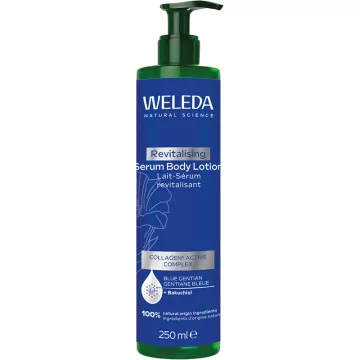
- Bakuchiol: a botanical alternative to retinol, suitable for sensitive skin and during pregnancy (when advised by a professional).
No cosmetic product can replace medical treatment for an underlying condition. Consult a pharmacist or dermatologist if in doubt, if you have sensitive skin, or if you are currently undergoing treatment.
Cell renewal and aging: what’s the connection?
Skin and tissue aging directly reflects a slowdown in cell renewal:
- A thinner, more fragileepidermis; the renewal cycle extends from 28 days to 40–60 days after age 50.
- Reduced collagen synthesis (approximately -1% per year after age 25–30, with accelerated loss during menopause in women).
- Decrease in dermalhyaluronic acid and loss of hydration.
- Decrease in elastin with loss of elasticity.
- Accumulation of senescent cells that secrete pro-inflammatory factors (SASP secretory phenotype).
- Appearance of fine lines, wrinkles, dark spots, and loss of firmness and radiance.
Several strategies can help slow this process: rigorous sun protection, anti-aging ingredients, and a healthy lifestyle. Research on cellular aging is also exploring senolytics (the removal of senescent cells) and the stimulation of autophagy.
How can you stimulate cell renewal on a daily basis?
Several practical approaches, accessible without advanced technology:
- A varied diet rich in antioxidants (berries, citrus fruits, colorful leafy greens), omega-3s (fatty fish, flaxseed, chia seeds, walnuts), high-quality protein, zinc, and selenium.
- Stay hydrated throughout the day.
- Regular physical activity: 150 minutes per week of moderate-intensity exercise, according to WHO recommendations.
- Quality sleep: 7 to 9 hours, at regular times, in a conducive environment.
- Stress management: meditation, sophrology, breathing exercises, walking, and enjoyable activities.
- Daily sun protection: SPF 30–50 broad-spectrum sunscreen, summer and winter.
- Quit smoking and limit alcohol consumption.
- A consistent skincare routine with targeted active ingredients based on age and needs.
- Targeteddietary supplements if a deficiency has been documented: vitamin C, vitamin E, vitamin A, vitamin D, zinc, omega-3, hydrolyzed collagen. Consultation with a pharmacist is recommended.
- Gentle skin care: ultra-moisturizing cleansers, lukewarm water, patting dry, daily emollients.
Cell Renewal and Wound Healing
Wound healing is closely dependent on the effectiveness of cell renewal. The process occurs in four phases:
- Hemostasis phase: clot formation within the first few minutes.
- Inflammatory phase: 0–3 days; removal of cellular debris and pathogens.
- Proliferation phase: 3–21 days—intense cell renewal, granulation tissue formation, neovascularization, and re-epithelialization.
- Remodeling phase: several months, reorganization of collagen, maturation of the scar.
Poor cell regeneration slows this process: prolonged healing, increased risk of infection, and more prominent scars. Aggravating factors include: poorly controlled diabetes, malnutrition, smoking, immunosuppressive medications, and advanced age. Topical care (appropriate dressings, mild antiseptics, moisturizers, panthenol) supports the healing process.
Lifestyle and Cell Regeneration
Lifestyle has a significant impact on the quality of cell renewal, both in the short and long term:
- Smoking: impairs microcirculation, oxygen supply, and collagen quality. It is the leading preventable factor accelerating skin aging.
- Alcohol consumption: dehydrates the body, disrupts sleep, and generates free radicals.
- An unbalanced diet high in fast-acting sugars: glycation of dermal fibers.
- Sedentary lifestyle: slows circulation and reduces tissue oxygenation.
- Chronic sleep deprivation: reduces nighttime regeneration.
- Unmanaged chronic stress: systemic inflammation, telomere shortening.
- Urban pollution and fine particulate matter.
Gradually adopting healthy habits (a varied diet, daily walks, regular sleep, sun protection, stress management, quitting smoking) has a measurable impact on cell renewal over time.
What diseases are linked to abnormal cell renewal?
Abnormalities in cell renewal are involved in several diseases:
- Cancers: uncontrolled proliferation due to deregulation of cell cycle controls and evasion of apoptosis.
- Psoriasis: hyperproliferation of the epidermis (a 4-day cycle instead of 28), leading to the characteristic plaques.
- Autoimmune diseases: dysregulation of lymphocytes (lupus, rheumatoid arthritis, scleroderma, multiple sclerosis).
- Anemias (aplastic, iron-deficiency, megaloblastic): impaired cell production in the bone marrow.
- Degenerative diseases (Parkinson’s, Alzheimer’s, amyotrophic lateral sclerosis): cell loss in tissues with low regenerative capacity.
- Rare genetic disorders of cell renewal (xeroderma pigmentosum, Hutchinson-Gilford syndrome).
- Pathological scarring: keloids, chronic ulcers.
- Premature aging in certain pathological contexts.
Any concerning symptoms (a wound that won’t heal, unexplained anemia, persistent fatigue, suspicious skin changes) should prompt a medical consultation.
The Role of Stem Cells in Tissue Regeneration
Stem cells are the basis of continuous tissue renewal. Found in several anatomical niches (bone marrow, hair follicles, intestinal crypts, the basal layer of the epidermis, and the dermis), they have two fundamental properties:
- Self-renewal: the ability to divide to maintain their own pool.
- Differentiation: the ability to generate cells specific to the tissue in question.
Depending on their degree of differentiation: pluripotent stem cells (broad potential), multipotent stem cells (tissue lineage), and unipotent stem cells (a single cell type). Adult stem cells are active in tissues with high turnover rates (skin, blood, intestinal mucosa).
With age, the number and quality of stem cells decline: this is one of the mechanisms behind the slowing of cell renewal. For decades, cell therapy research has been exploring their therapeutic potential in degenerative diseases and tissue damage (see also cell regeneration).