Free radicals are unstable chemical species with at least one unpaired electron that seeks to stabilize itself. Constantly produced by normal cellular metabolism, they become problematic when their production exceeds the body’s ability to neutralize them—this is known as oxidative stress. Understanding their nature helps us choose the right antioxidants based on the target we want to protect.
What is a free radical?
A free radical (or reactive oxygen species—ROS) is a molecule with an unpaired electron that gives it extreme chemical reactivity. It stabilizes itself by “stealing” an electron from a neighboring molecule, transforming the latter into a new radical—this is the oxidative chain reaction. The main biological free radicals are the superoxide radical (O₂•⁻), the hydroxyl radical (•OH), and hydrogen peroxide (H₂O₂, not a radical but a precursor). They are produced in mitochondria, macrophages, and upon exposure to UV radiation, pollution, tobacco, and stress.
What are the biological targets of free radicals?
Each type of free radical preferentially targets certain biomolecules.
- Membrane lipids: lipid peroxidation—impairs the fluidity and permeability of cell membranes (skin, blood vessels, mitochondria)
- Proteins: oxidation of amino acid residues — impairs enzymes, receptors, and structural proteins (collagen, elastin)
- DNA: strand breaks, base modifications (8-OHdG is a biomarker of oxidative stress on DNA)
- Circulating lipids (LDL): LDL oxidation is a key step in the formation of atherosclerotic plaques
- Skin cells: degradation of collagen and elastin fibers responsible for skin aging
Do free radicals have physiological roles?
Yes—at low concentrations, free radicals are essential for several biological functions.
- Cell signaling: H₂O₂ acts as a second messenger in numerous signaling pathways (insulin, cell growth)
- Immunity: Macrophages and neutrophils intentionally produce free radicals (oxidative burst) to destroy pathogens
- Exercise adaptation: transient post-exercise oxidative stress activates endogenous antioxidant enzymes (SOD, catalase) and muscle adaptations
- Paradoxically, an excess of antioxidants can diminish these beneficial effects—stick to the recommended dosages
Which antioxidants neutralize free radicals?
Antioxidants act in a synergistic network, with each targeting specific compartments and radicals.
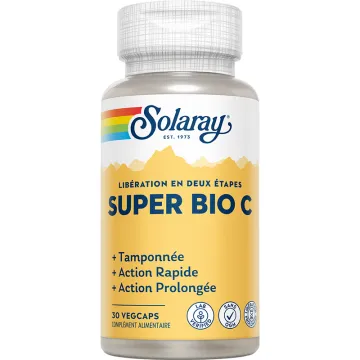
- Vitamin C: neutralizes radicals in the aqueous compartment and regenerates vitamin E
- Vitamin E: protects lipid membranes against peroxidation
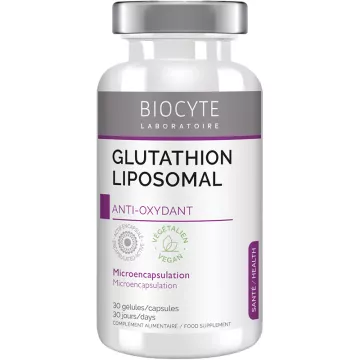
- Glutathione: the most abundant endogenous antioxidant; neutralizes H₂O₂ and lipid peroxides
- Coenzyme Q10 / alpha-lipoic acid: provide protection at the mitochondrial site of reactive oxygen species (ROS) production
- Polyphenols (resveratrol, quercetin, catechins): neutralize ROS and activate endogenous antioxidant pathways (Nrf2)
- Zinc and selenium: cofactors for endogenous antioxidant enzymes (SOD, glutathione peroxidase)
How can free radical production be reduced?
Reducing exogenous sources is the first effective measure.
- Limit exposure to secondhand smoke: each cigarette generates significant amounts of pulmonary free radicals
- Sun protection: Use an appropriate SPF to limit UV-induced ROS in the skin
- Reduce exposure to air pollution (fine particulate matter)
- A varied diet rich in colorful fruits and vegetables—each color provides complementary antioxidants
- Moderate, regular exercise—stimulates the body’s own antioxidant defenses without causing excessive ROS production
- Managing chronic stress (pro-oxidant cortisol)—cardiac coherence, yoga, adequate sleep
Are antioxidant supplements effective against free radicals?
Yes—as part of a holistic approach and when taken in moderation.
- Multi-antioxidant formulas (vitamins C and E, zinc, selenium, and polyphenols) offer the most comprehensive protection
- Targeted supplementation is warranted in cases of increased needs: increased UV exposure, intense physical activity, smoking, chronic oxidative stress
- The antioxidant paradox: at very high doses, certain antioxidants can become pro-oxidants—always follow the recommended dosages
- Diet remains the preferred source—supplementation is complementary, not a replacement