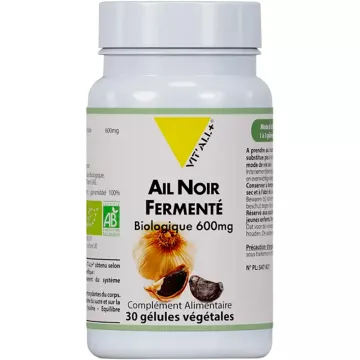
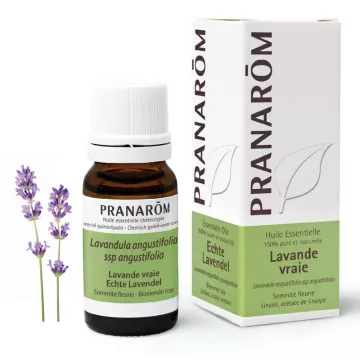
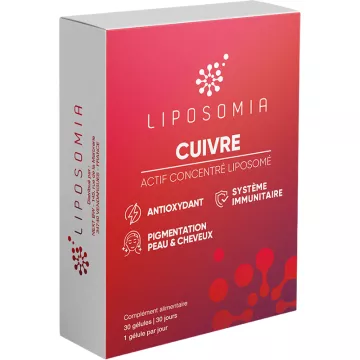
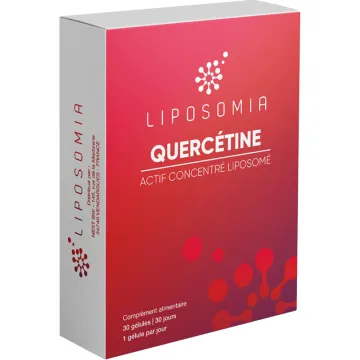
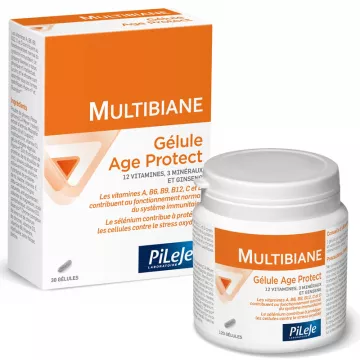
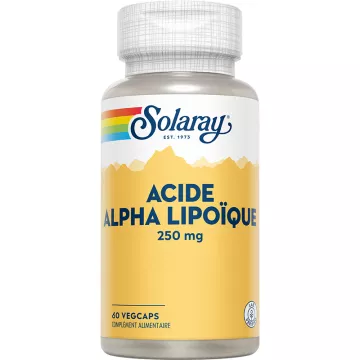
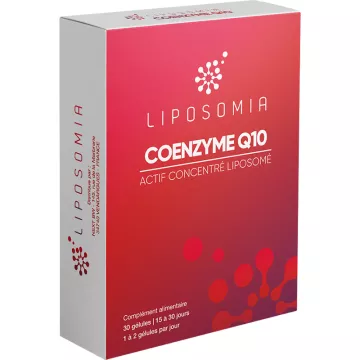
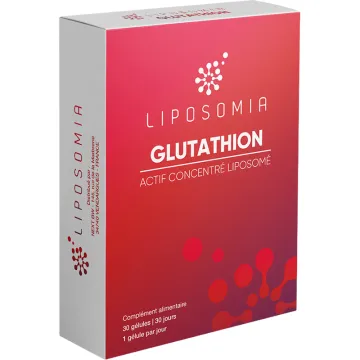
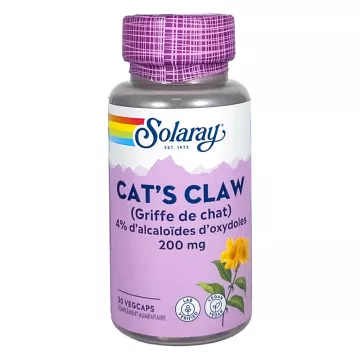
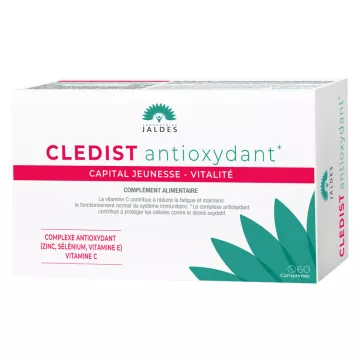
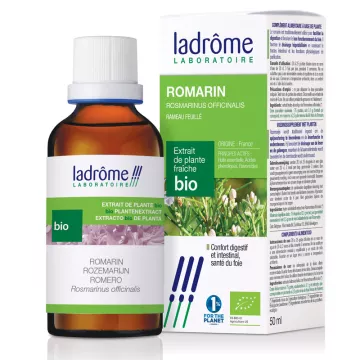
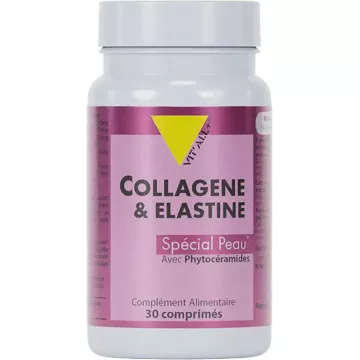
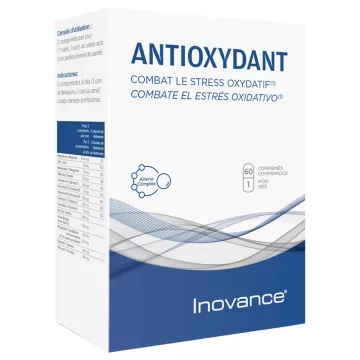
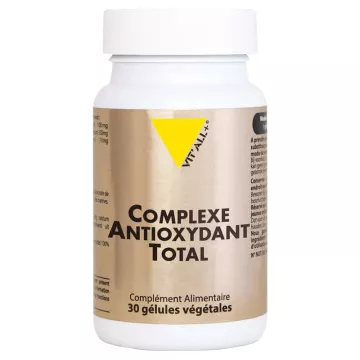
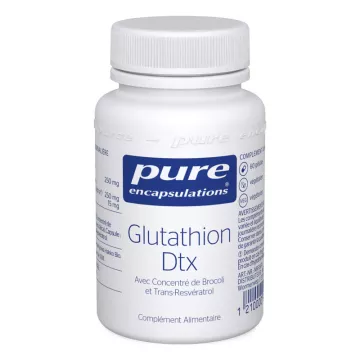
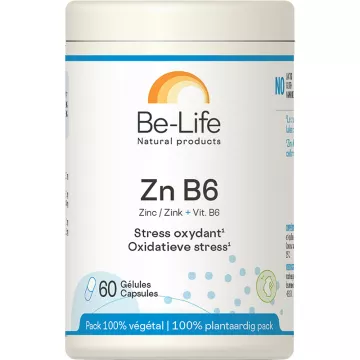
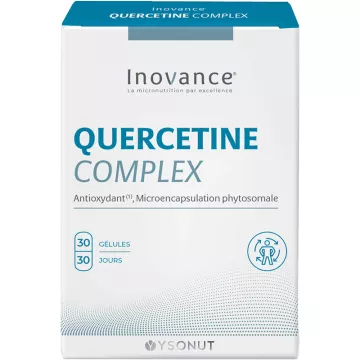
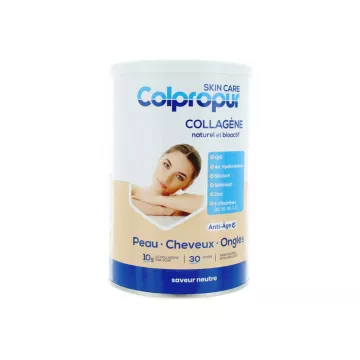
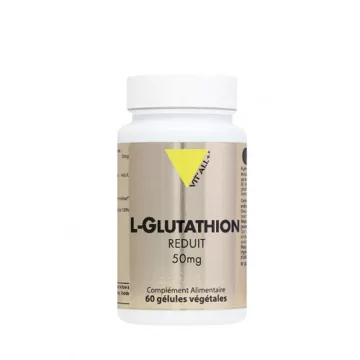
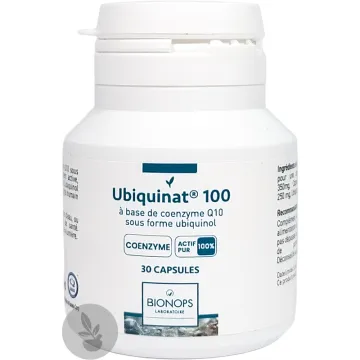
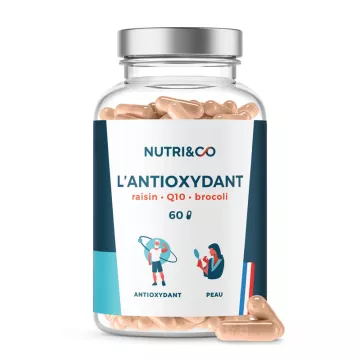
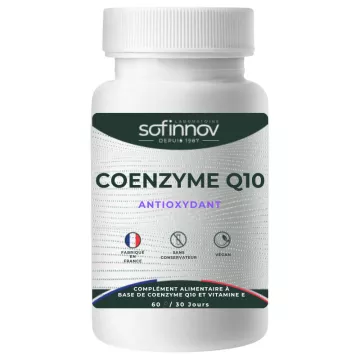
Oxidative stress refers to the imbalance between the production of free radicals —reactive oxygen species (ROS)—and the body’s ability to neutralize them through its endogenous and dietary antioxidant systems. It is a natural physiological process that becomes harmful when it is chronic and excessive. Discover our range of natural antioxidants.
What is oxidative stress?
Free radicals are unstable molecules with an unpaired electron that seeks to stabilize itself by “stealing” an electron from a neighboring molecule—triggering a chain reaction of oxidation. The biological targets are membrane lipids, proteins, and DNA. The body has its own endogenous antioxidant defenses (superoxide dismutase, catalase, glutathione), supplemented by dietary intake of exogenous antioxidants. Oxidative stress occurs when the production of free radicals exceeds the body’s ability to neutralize them.
What causes oxidative stress?
Several environmental and lifestyle factors increase the production of free radicals.
- UV exposure: high-energy photons that generate reactive oxygen species (ROS) in skin cells
- Air pollution: fine particles and ozone that trigger oxidative reactions in the lungs
- Smoking: Each puff generates billions of free radicals in the lungs
- Intense physical exertion: increased oxygen consumption multiplies the production of mitochondrial ROS
- Unbalanced diet: deficiency in dietary antioxidants (vitamins C and E, carotenoids, polyphenols)
- Chronic stress: Cortisol promotes the production of free radicals by immune cells
What signs suggest an oxidative imbalance?
Chronic oxidative stress does not cause any immediate, specific symptoms—its effects build up gradually.
- Chronicfatigue and low energy—mitochondrial dysfunction
- Premature appearance of wrinkles and signs of skin aging—degradation of collagen and elastin fibers
- Dull skin, uneven complexion—oxidation of skin lipids
- Decreased mental clarity and memory — neuronal vulnerability to oxidative stress
- Increased susceptibility to infections—weakening of the immune system due to oxidative damage
Antioxidants and oxidative stress: how do they work?
Antioxidants neutralize free radicals by donating an electron without becoming unstable themselves. They work together in a synergistic network.
- Vitamin C: a water-soluble antioxidant that neutralizes ROS in the aqueous compartment and regenerates vitamin E
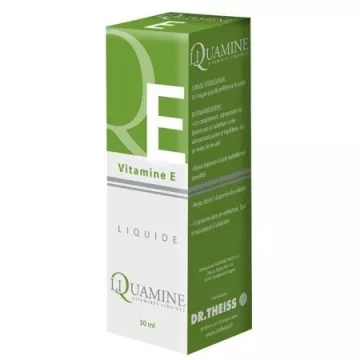
- Vitamin E: a fat-soluble antioxidant that protects cellular lipid membranes
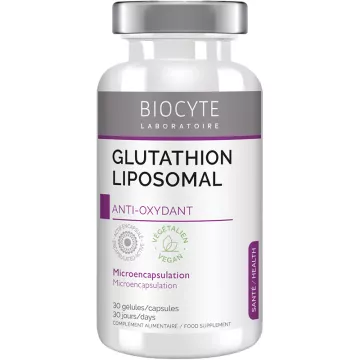
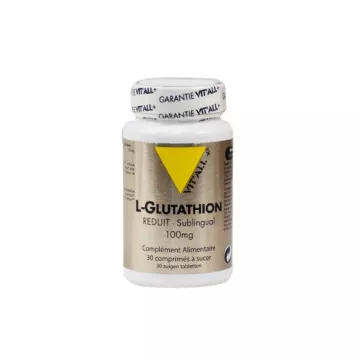
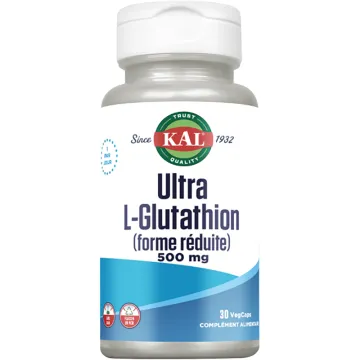
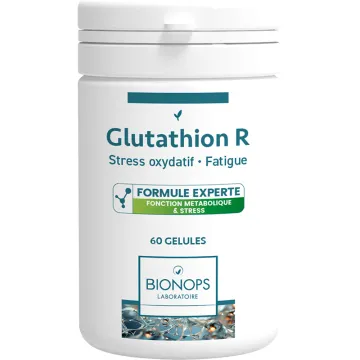
- Glutathione: the most powerful endogenous antioxidant—synthesized in the liver
- Coenzyme Q10 / alpha-lipoic acid: active in the mitochondria—provide protection at the site where ROS are produced
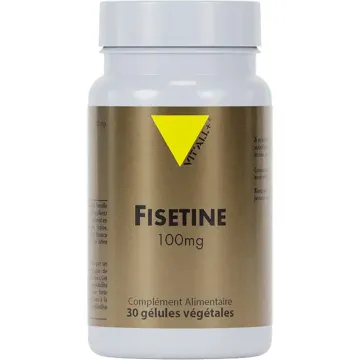
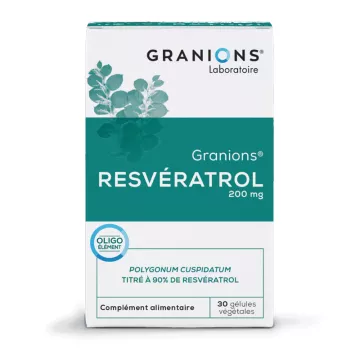
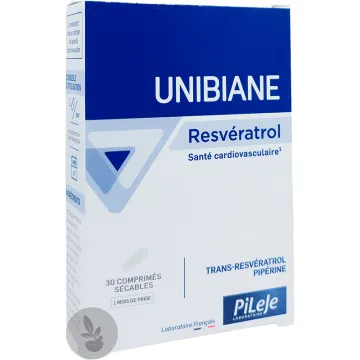
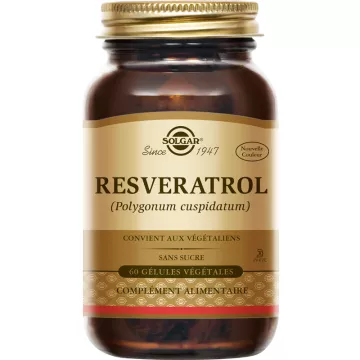
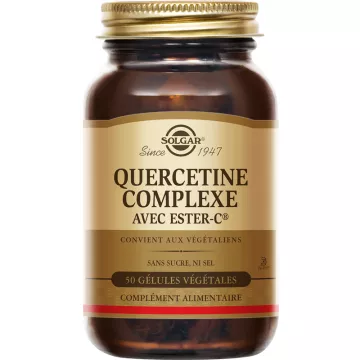
- Polyphenols (resveratrol, quercetin, catechins): broad-spectrum; regenerate other antioxidants
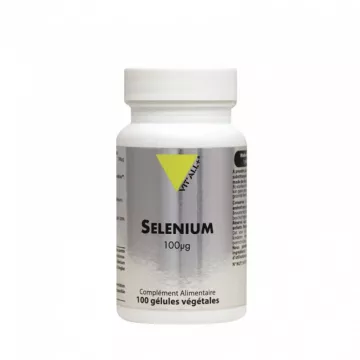
- Mineral cofactors: zinc and selenium—essential for antioxidant enzymes (SOD, glutathione peroxidase)
How can you reduce oxidative stress in your daily life?
Reducing oxidative stress involves a combination of lifestyle changes and adequate antioxidant intake.
- Diversify your diet with colorful fruits and vegetables—each color provides distinct polyphenols and carotenoids
- Limit exposure to aggravating factors: tobacco, alcohol, pollution, and unprotected UV exposure
- Engage in moderate, regular physical activity—exercise stimulates endogenous antioxidant enzymes
- Manage chronic stress (yoga, cardiac coherence, meditation)—this reduces the production of pro-oxidant cortisol
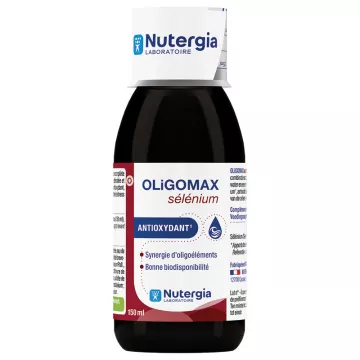
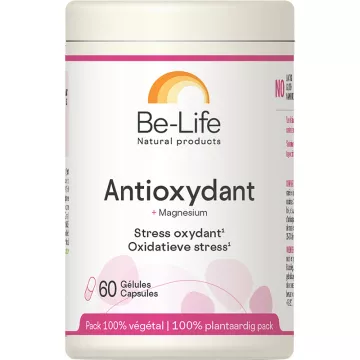
- Take supplements if needed: antioxidant combination formulas (vitamins C and E, zinc, selenium, and polyphenols)
Are free radicals always harmful?
No—free radicals play essential physiological roles at low concentrations.
- Cell signaling: ROS activate signaling pathways necessary for cellular adaptation
- Immunity: Neutrophils and macrophages use free radicals (oxidative burst) to eliminate pathogens
- Exercise adaptation: transient post-exercise oxidative stress triggers beneficial muscular adaptations
- Paradox: Excessive antioxidant supplementation can interfere with these adaptations—follow the recommended dosages