What causes the first wrinkles?
The first wrinkles mark the onset of visible skin aging, which typically occurs between the ages of 25 and 35. Several factors contribute to this:
- Cumulative sun exposure: the number one factor, responsible for 80% of visible aging (dermatological estimate)
- Active and passivesmoking: impairs skin oxygenation and breaks down supportive fibers
- Air pollution: fine particles, ozone, and heavy metals that cause oxidative stress
- Hormonal changes: pregnancy, birth control, perimenopause
- Chronicdehydration (internal and external)
- Repeatedfacial movements (expression lines around the eyes, on the forehead, and between the eyebrows)
- Chronic stress and prolonged elevated cortisol levels
- Insufficient or poor-qualitysleep
- Unbalanced diet: excess of fast-acting sugars (glycation), ultra-processed foods
- Genetic predisposition
- Sedentary lifestyle and impaired microcirculation
- Excessive alcohol consumption
Identifying modifiable factors helps guide the first steps to take. For signs of aging in general, additional resources are available to support you.
How can you effectively prevent them?
Prevention relies on simple but consistent habits:
- Daily broad-spectrumsun protection with SPF 30 to 50+, summer and winter (anti-aging step #1)
- Oral hydration: 1.5 to 2 L of water per day
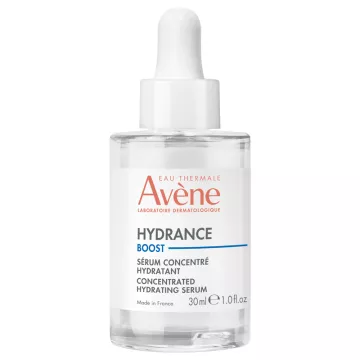
- A daily skincare routine tailored for ages 25–30: gentle cleansing, a hydrating or antioxidant serum, moisturizer, and SPF
- Systematic makeup removal every evening
- A balanced diet rich in antioxidants, omega-3s, and high-quality protein
- Avoid tobacco and limit alcohol
- Regular sleep: 7 to 9 hours per night
- Manage chronicstress
- Regular, moderatephysical activity
- Wear sunglasses when outdoors (to reduce squinting)
- Up-to-date prescription glasses if needed
- Limit screen time and follow the 20-20-20 rule to reduce eye strain
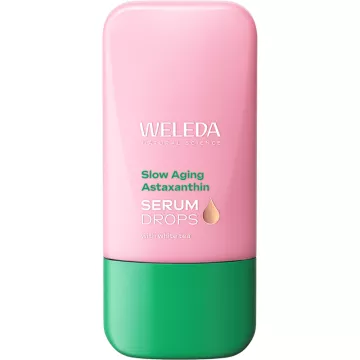
- Antioxidants in a morning serum used in combination with SPF
Consistency over several decades is more important than occasional intensive treatments. The earlier you start, the more visible the long-term benefits will be.
Which cosmetic active ingredients should you prioritize?
Several well-documented active ingredients support the skin as soon as the first wrinkles appear:
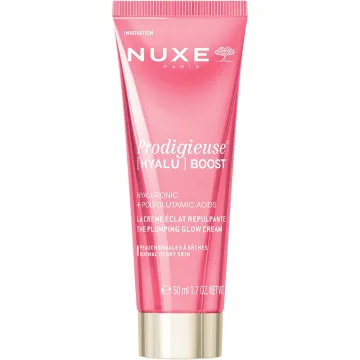
- Hyaluronic acid: a key moisturizer with a visible plumping effect on fine lines caused by dehydration
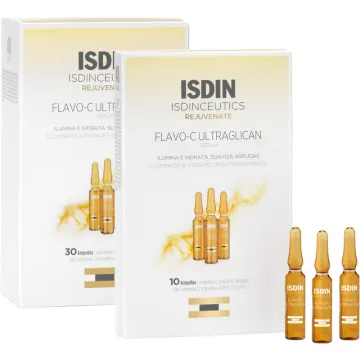
- Vitamin C: an antioxidant that contributes to the skin’s radiance and visible quality
- Cosmetic retinol: promotes cell renewal (use only at night; photosensitizing; contraindicated during pregnancy and breastfeeding; introduce gradually, 2–3 times per week)
- Peptides: support skin suppleness
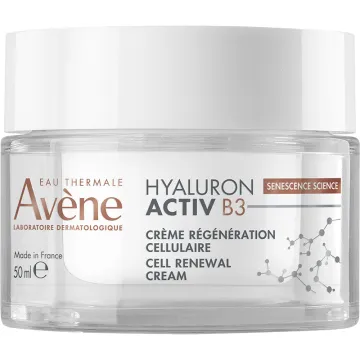
- Niacinamide (vitamin B3): improves the visible quality of the skin, soothes
- Vitamin E: an antioxidant that works synergistically with vitamin C
- Resveratrol and green tea polyphenols: plant-based antioxidants
- Coenzyme Q10: targeted antioxidant
- AHAs (glycolic, lactic, and mandelic acids): gentle exfoliants that support skin renewal (photosensitizing)
- Ceramides and squalane: restore the skin barrier
- Caffeine: decongestant and firming effect on the eye area
Gradually introducing one active ingredient at a time allows you to check for tolerance. Avoid combining several irritating active ingredients at the same time (retinol + AHA + concentrated vitamin C).
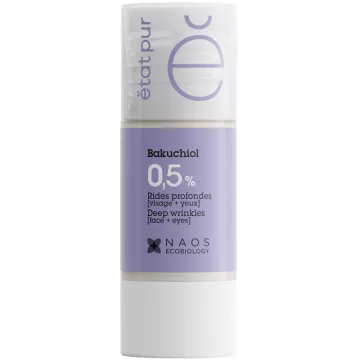
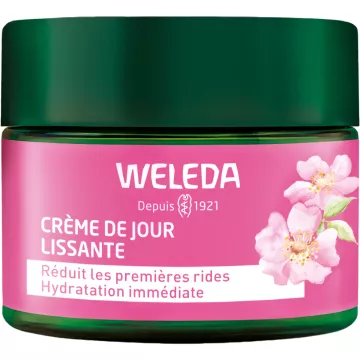
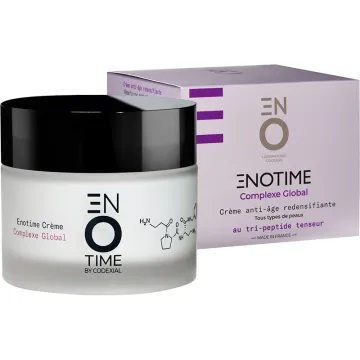
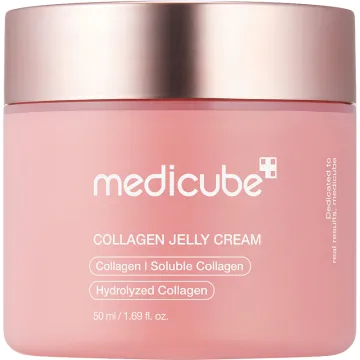
How to Choose and Apply Your Cream?
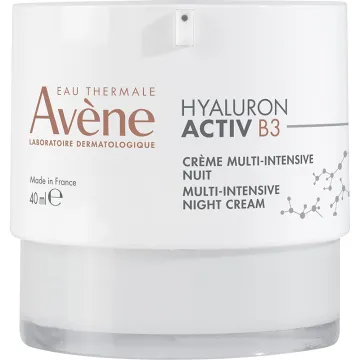
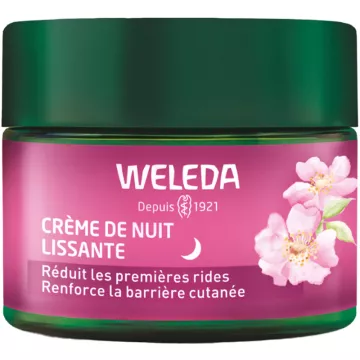
The choice of an anti-aging cream should be tailored to your skin profile:
- Skin type: dry (rich textures), combination (lightweight textures), oily (light, non-comedogenic gels), sensitive (fragrance-free, hypoallergenic)
- Age and stage of aging: preventive formulas starting at age 25–30, more concentrated formulas after age 40
- Main concerns: fine lines, radiance, hydration, firmness, dark spots
- Season: richer formulas in winter, lighter ones in summer
- Individual tolerance to concentrated active ingredients
- Compatibility with other products in the skincare routine
How to apply:
- Apply to clean, dry skin after cleansing and, if desired, applying serum
- Moderate amount: about the size of a pea for the face
- Apply using upward strokes, without pulling or rubbing
- Gently massage to aid absorption
- Always includethe neck and décolletage
- Usemorning and night as part of your regular routine
- Follow with SPF in the morning as the final step
Our anti-aging skincare section at the pharmacy offers products tailored to every skin type.
What aesthetic treatments should you consider?
Several medical procedures can complement your daily skincare routine:
- Injectable botulinum toxin (Botox): a prescription medication; a medical procedure reserved for dermatologists and aesthetic physicians; targets dynamic expression lines (forehead, glabella, crow’s feet)
- Injectable hyaluronic acid: fills in static fine lines and restores volume
- Mesotherapy: injections of revitalizing mixtures to improve skin quality
- Superficial to mediumchemical peels performed in a medical office
- Microneedling with or without combined radiofrequency
- Fractional lasers (ablative or non-ablative)
- Intense Pulsed Light (IPL) for dark spots and skin tone
- Radiofrequency and high-intensity focused ultrasound (HIFU) for gradual skin tightening
- Skin boosters: hyaluronic acid in microboluses to improve skin quality
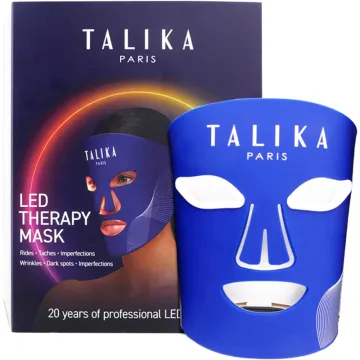
- LED therapy as a complement to other techniques
These procedures should be performed by a dermatologist or a trained aesthetic physician. A preliminary consultation is essential to assess indications and contraindications (pregnancy, breastfeeding, certain medical conditions) and to choose the appropriate approach. The initial procedures are generally performed gradually, as a complement to a well-managed skincare routine.
What role does diet play?
Diet directly influences the visible quality of the skin:
- Vitamin C (citrus fruits, kiwis, bell peppers, black currants, parsley): involved in collagen metabolism
- Vitamin E (nuts, vegetable oils, wheat germ): an antioxidant
- Carotenoids (carrots, sweet potatoes, mangoes, apricots, tomatoes): provide antioxidant protection
- Green vegetables (spinach, broccoli, kale, lamb’s lettuce): folate, vitamin K
- Berries (blueberries, raspberries, blackberries, pomegranates): powerful polyphenols
- Fatty fish twice a week (salmon, sardines, mackerel): omega-3 EPA and DHA
- Nuts and seeds (walnuts, almonds, flaxseeds, pumpkin seeds): vitamin E, essential fatty acids
- Avocado, olive oil, canola oil: high-quality fats
- High-quality protein (eggs, fish, lean meats, legumes): source of amino acids
- Green tea: specific antioxidants (catechins)
- Hydration: 1.5 to 2 L of water per day
- Limit fast-acting sugars and ultra-processed foods (glycation = a factor in aging)
- Limit alcohol and avoid tobacco
Our natural antioxidants section offers supplements designed to support a balanced diet in cases of insufficient intake.
Can early wrinkles be reduced?
Reducing them is certainly possible with a combined approach:
- Dehydration lines: rapid improvement (within a few days) with topical hyaluronic acid
- Superficial wrinkles: gradual improvement over 4 to 12 weeks with cosmetic retinol and peptides
- Dynamic expression lines: rapid response to botulinum toxin (effects last 3 to 6 months)
- Pronounced static wrinkles: partial improvement through medical procedures (injectable hyaluronic acid, lasers, microneedling)
- Overall improvement in skin texture, radiance, and visible quality with a regular skincare routine
Success factors:
- Patience and consistency in your daily routine
- Strict sun protection in parallel (without which these efforts are negated)
- A combined approach (topical treatments + lifestyle + potential procedures)
- Dermatological support for specific concerns
- Acceptance that this is a long-term process
A tailored routine maintained over several years yields better results than any single intervention.
How does the sun contribute to wrinkles?
UV exposure is the primary factor in the premature appearance of wrinkles:
- UVA (320–400 nm): penetrates deep into the dermis, breaks down collagen and elastin; present year-round and even through glass
- UVB (280–320 nm): causes sunburn, which is more intense in summer and at high altitudes
- Visible and infrared light: contribute to deep oxidative stress
- Activation of metalloproteinases that break down skin fibers
- Production of free radicals and chronic oxidative stress
- Alteration of cellular DNA
- Hyperpigmentation and associated spots
- Weakening of the skin’simmune defenses
- A cumulative effect over several decades, silent until it becomes visible
Using sunscreen starting in youth is the most cost-effective investment for preserving the skin’s appearance over the long term. Even simple daily exposure (commuting, sitting on a patio, gardening) is just as harmful as occasional intense exposure. For skin photoaging in general, a comprehensive strategy is essential.
What daily habits should you adopt?
Several habits form the basis of effective prevention:
Skincare routine:
- Gently cleanse morning and night without damaging the skin barrier
- Systematically remove makeup every evening
- Daily moisturizing suited to your skin type
- SPF 30 to 50+ sunscreen every morning
- Targeted serum as needed
- Gentle exfoliation 1 to 2 times a week
- Specificeye care as soon as the first fine lines appear
Lifestyle:
- Regular sleep: 7 to 9 hours per night
- Sleep on your back as much as possible
- Silk or satinpillowcase
- Moderate, regularphysical activity
- Regularoral hydration
- Balanced diet
- Chronicstress management
- Avoiding tobacco and limiting alcohol
- Limiting screen time and following the 20-20-20 rule
- Social connections and a balanced lifestyle
Taking early action on these habits yields cumulative benefits over decades.
What modern technological approaches are available?
Several technologies offer complementary solutions:
- Monopolar or multipolar radiofrequency: gradual skin tightening through controlled heating of the dermis
- High-IntensityFocused Ultrasound (HIFU): targets deep structures (SMAS), with results developing over 3 to 6 months
- Non-ablative fractional lasers: improve skin texture and quality
- Ablative fractional lasers: more pronounced effects with a longer recovery time
- Intense pulsed light (IPL): dark spots, even skin tone, dilated blood vessels
- LED therapy: red or yellow light to support skin functions
- Photodynamic therapy for certain dermatological conditions
- Microneedling with radiofrequency for thin skin
- Targeted cryotherapy for specific lesions
- Skinboosters: hyaluronic acid injections to improve skin quality
These technologies are performed in a medical office and require a prior consultation. They are intended to complement (not replace) a well-managed daily skincare routine. Your pharmacist can guide you toward the most appropriate daily skincare products to complement your medical care. For mature skin showing more than just the first signs of wrinkles, a comprehensive approach combining topical treatments, lifestyle, diet, and, if necessary, medical procedures yields the best long-term results.