What is anguish, and how does it differ from anxiety?
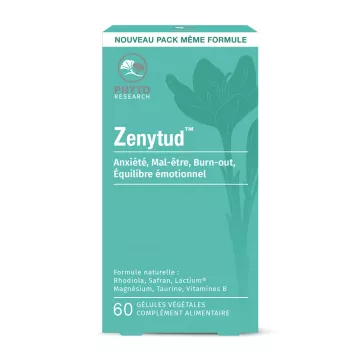
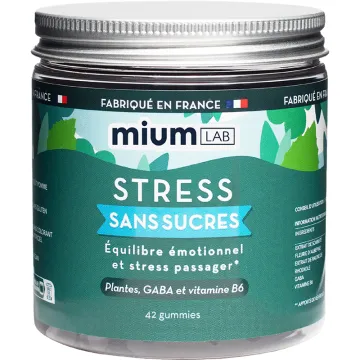
Anguish is a form of intense anxiety that is predominantly physical—the Latin etymology “angustia” (narrowness, constriction) captures its main symptom: a sensation of tightness, chest constriction, or a “knot in the stomach” that goes beyond a purely psychological feeling. It can occur acutely (as a panic attack) or develop chronically. For a comprehensive overview of anxiety disorders and natural remedies, visit our anxiety page. Explore our anti-stress formulas, our homeopathic lines for stress and fatigue, and our stress and sleep supplements.
- Distress vs. anxiety: anxiety refers to a state of worry and apprehension (primarily cognitive)—distress is a more intense form characterized primarily by physical symptoms (chest tightness, a tight throat, a knot in the stomach, a feeling of suffocation)—in everyday language, the two terms are often confused, but anguish suggests more pronounced physical distress
- Anxiety Attack vs. Panic Attack: An anxiety attack is gradual (building over a few minutes, with an identifiable trigger)—a panic attack is sudden, unexpected, peaks in less than 10 minutes, and is accompanied by intense clinical symptoms (tachycardia, dyspnea, depersonalization, fear of dying or “going crazy”)—the distinction is clinical and guides management
- Typical physical symptoms of anxiety: chest tightness or pain — tight throat, difficulty swallowing — knot in the stomach, nausea—abdominal cramps, diarrhea—internal tremors—cold sweats—heavy or numb limbs—difficulty breathing with a sensation of suffocation
- Physiological mechanism: massive release of adrenaline and cortisol → contraction of smooth muscles (esophagus, stomach, intestines) → tightness + knot in the stomach — hyperventilation → hypocapnia (decreased CO₂) → cerebral vasoconstriction → dizziness, tingling in the extremities, disorientation
- Nocturnal anxiety: anxiety frequently occurs at night (abrupt awakening between 2 a.m. and 4 a.m., intrusive thoughts that are impossible to stop) — cortisol is naturally low at night = fewer inhibitions on the anxiety cycle — magnesium deficiency particularly exacerbates nighttime anxiety
Immediate techniques to calm an anxiety attack
- Physiological breathing (double sigh): two short inhalations through the nose (filling the lungs completely in two stages) followed by one long, slow exhalation through the mouth — corrects the hypocapnia caused by hyperventilation — noticeable relief after 3–5 cycles — technique documented by Dr. Andrew Huberman, Stanford University
- Emergency cardiac coherence: inhale for 4 seconds — exhale for 6 seconds — 10 consecutive cycles — immediate activation of the vagus nerve → slowed heart rate + reduced adrenaline → gradual resolution of the attack within 5–10 minutes
- Sensory Grounding (5-4-3-2-1): name 5 things you can see, 4 sounds you can hear, 3 surfaces you can touch, 2 smells, 1 taste — anchors you in the present moment — interrupts the cycle of anxious thoughts and reduces potential dissociation during the panic attack
- Cold water on the face or wrists: activation of the diving reflex → immediate parasympathetic bradycardia → reduction in heart rate and chest tightness — run your wrists under cold water for 30–60 seconds or apply an ice cube to your face
- Body position: sit or lie down (avoid standing still) — lean your back against a wall or chair (a signal of physical safety) — hands on your lap or stomach — connect to the ground by standing barefoot on a solid surface
Natural Supplements and Herbs for Anxiety
- Magnesium bisglycinate: Chronic anxiety drastically depletes magnesium (adrenaline → increased urinary excretion of magnesium) — deficiency → nervous system hyperexcitability → more frequent and intense anxiety attacks — 300–400 mg/night — results are often felt as early as the first week for nighttime anxiety
- Omega-3 EPA: reduces neuroinflammation and amygdala reactivity — positive meta-analyses regarding anxiety and mild to moderate anxiety — 1–2 g EPA/day — combine with magnesium for a synergistic effect
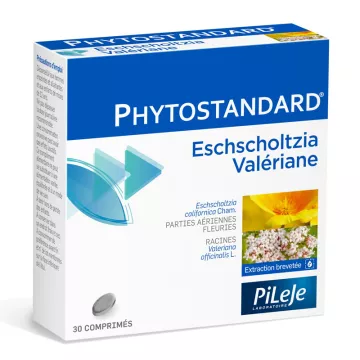
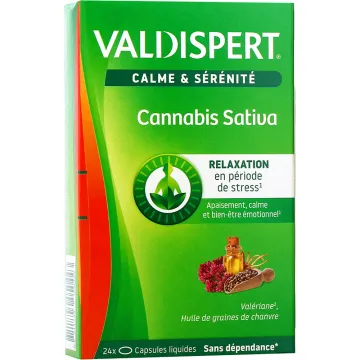
- Valerian + passionflower + lemon balm: valerian (GABA-A — reduces mild anxiety and promotes sleep) — passionflower (potassium channels + nighttime rumination) — lemon balm (anxiety-related digestive spasms + nervous agitation) — as a hot herbal tea or in capsules 30–60 minutes before bedtime or before a stressful situation — check out our homeopathic formulas for stress
- Homeopathic Remedies for Anxiety (traditional use): Aconitum napellus 15CH (sudden terror, fear of dying, anxiety with agitation and tachycardia) — Argentum nitricum 9CH (anticipatory anxiety with diarrhea, fear of exams, heights, or crowds) — Gelsemium 9CH (stage fright with tremors and wobbly legs) — Ignatia amara 15CH (emotional anxiety with spasms) — 5 granules as needed, repeat if necessary
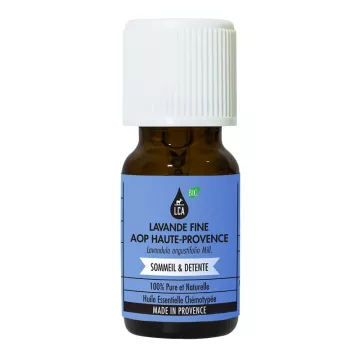
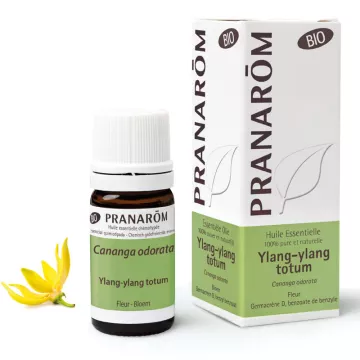
- True lavender essential oil: documented anxiolytic effect via inhalation (linalool + GABA-A receptors) — 2–3 drops on the wrists + deep inhalation during an anxiety attack — diffuse 30 minutes before a feared situation — explore our serenity and well-being product lines
Chronic anxiety: lifestyle and when to seek medical advice
- Anti-anxiety diet: magnesium (legumes, nuts, whole grains, dark chocolate) — tryptophan in the evening (a serotonin precursor) — avoid caffeine after 2 p.m. (half-life 5–7 hours; exacerbates nighttime anxiety) — avoid alcohol (apparent relief followed by an anxiety rebound the next day and sleep disruption)
- Meditation and cardiac coherence: regular meditation reduces amygdala activation after 8 weeks of practice — cardiac coherence (365, 3 times a day) promotes vagal tone and reduces the frequency and intensity of anxiety attacks in the long term
- Regular physical exercise: 30 minutes of aerobic activity 3–5 times per week releases dopamine, serotonin, and BDNF → lasting reduction in anxiety and background anxiety — ideally practiced outdoors (natural light + nature)
- Seek medical advice if: frequent anxiety attacks (several times a week) — avoiding certain places or situations to prevent attacks — recurrent nighttime anxiety with significant insomnia — impact on work or relationships — your primary care physician will assess your condition and refer you to a psychologist (MonPsy — partial reimbursement) or a psychiatrist if necessary
- Suicidal thoughts associated with anxiety → Call 3114 immediately (national hotline, 24/7, toll-free)