0
Menu
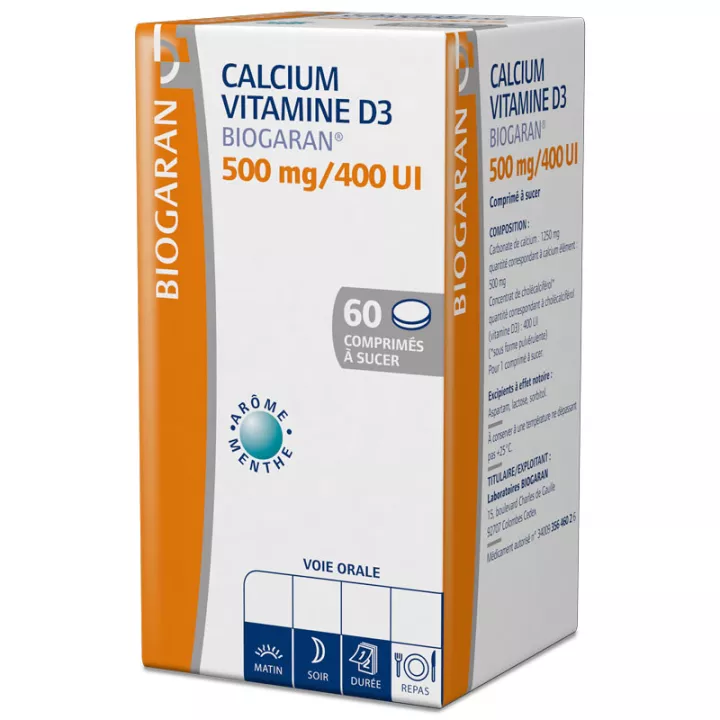
Calcium vitamin D3 biogaran 500 mg 400 ui
Over-the-counter medication

Calcium vitamin D3 biogaran 500 mg 400 ui

Brand : Biogaran Biogaran

Calcium vitamin D3 biogaran 500 mg/400 ui : Indicated: for elderly people, in cases of calcium and vitamin D deficiency; in association with osteoporosis treatments when calcium and vitamin D intake is insufficient. Give your opinion on how to use and dosage with our partner Verified opinions after your purchase.

€6.83 EXCL. VAT €6.97 INCL. VAT
This product is an over-the-counter medication. Please consult the package insert before ordering online.
In stock Shipped within 24h Secure payment
Reference : 3400935646026
5 / 5
(1Reviews)
You must be logged in to add this product to a list. Customer login
See delivery conditions

Our doctors of pharmacy advise you

What is Calcium vitamin D3 biogaran 500 mg/400 iu used for?

To maintain a strong, healthy body, it's essential to target the root of your body structure: your bones. Calcium Vitamin D3 Biogaran 500 mg/400 IU is the perfect nutritional support for this vital objective. It combines calcium, a key mineral in the construction and maintenance of bones, with vitamin D3, essential for calcium absorption.

The key element in this formula is calcium. This indispensable mineral plays a critical role in bone construction, blood coagulation, nerve impulse transmission and even muscle contraction. As a result, you benefit from strong bones and an optimally functioning nervous and muscular system.

The ingredient that reinforces calcium's action is vitamin D3. This fat-soluble vitamin is a catalyst in the body's absorption of calcium. It significantly increases the amount of calcium that can be absorbed by the intestines, ensuring that the mineral is used efficiently.

But this combination goes beyond bone health. It also helps maintain a healthy immune system. Vitamin D3 has been shown to strengthen the immune system, which means this product is not only an investment in your bones, but also in your general well-being.

Finally, Calcium Vitamin D3 Biogaran 500 mg/400 IU is not just a dietary supplement; it's a holistic formula for maintaining a healthy lifestyle. Its unique combination of active ingredients helps build a strong, resilient body, capable of withstanding life's ups and downs.

What is Calcium Vitamin D3 Biogaran used for?

This medicine contains calcium and vitamin D, which facilitates the absorption of calcium by the intestine and its binding to the bones.

It is used :
  • to treat calcium and vitamin D deficiency in the elderly,

  • in the adjunctive treatment of osteoporosis, when the combined intake of calcium and vitamin D is necessary.

How to use Biogaran Calcium vitamin D3?

Give your opinion on the directions for use and dosage of Calcium Vitamine D3 Biogaran 500 mg/400 IU with our partner Verified Reviews after your purchase.

For optimal effectiveness, we recommend you follow a healthcare professional's instructions for dosage.

Adults: 1 tablet, morning and evening.

What are the precautions for use?

It is advisable to consult a physician before starting any supplement regimen, especially if you have a medical history or are taking other medications.

This drug should not be used in the following cases:

  • excess calcium in the blood or urine,
  • urinary tract stones containing calcium,
  • prolonged immobilization (wait until you can walk again before starting treatment),
  • phenylketonuria (presence of aspartam).

Because of the presence of calcium, you should wait at least 2 hours (or even 3 hours) between taking this product and cyclins or biphosphonates. Tell your pharmacist or doctor if you are taking digitalis or diuretics. There are also food interactions: foods known to be rich in oxalic acid (spinach, rhubarb, sorrel, cocoa, tea) or phytic acid (chocolate, wholegrain cereals, pulses) may reduce calcium absorption. It is therefore recommended to take this medicine at a distance from meals containing these foods.

It may be taken by pregnant or breast-feeding women, but the dosage prescribed by the doctor must not be exceeded.

What is the composition of Calcium vitamin D3 Biogaran 500 mg/400 ui?

For one tablet :

  • Calcium element* 500 mg (*as calcium carbonate) 1250 mg
  • Concentrate of Cholecalciferol* (vitamin D3) 400 IU (*in powder form)
  • List of excipients : Xylitol, povidone K 30, aspartam, levomenthol, mint flavor*, talc, magnesium stearate, lactose monohydrate.
  • Mint flavoring*: peppermint essential oil, gum arabic, maltodextrin, sorbitol.

Presentation of Calcium vitamin D3 biogaran 500 mg/400 ui : Box of 60 tablets

Advice and opinions from pharmacy experts

Osteoporosis: understanding and preventing this bone disease

Osteoporosis is a skeletal disease that weakens bones, making them more susceptible to fracture. Although it can affect anyone, post-menopausal women are particularly at risk. Early diagnosis and treatment are essential to maintain optimal quality of life. Here's some science-based information and advice to better understand and manage osteoporosis.

Risk factors and symptoms :

  • Advanced age
  • Family history
  • Low calcium and vitamin D intake
  • Sedentary lifestyle
  • Prolonged use of certain drugs such as corticosteroids

Symptoms and diagnosis: Osteoporosis often presents no visible symptoms until a fracture occurs. Bone density tests, such as DEXA, are therefore crucial for early diagnosis.

Dietary and nutritional advice :

  • Calcium: Opt for calcium-rich food sources such as dairy products, green leafy vegetables and oily fish.
  • Vitamin D: Sources of vitamin D include exposure to the sun, eggs and certain fish such as salmon.
  • Exercise: Regular exercise, especially muscle strengthening and activities that put weight on the bones, can help increase bone density. Talk to your doctor about a plan tailored to your needs.

Pharmacovigilance Report an adverse drug reaction(s)

Download PDF leaflet

NOTICE

ANSM - Updated on : 12/07/2019

Product name

CALCIUM VITAMIN D3 BIOGARAN 500 mg / 400 IU, chewable tablet

Calcium vitamin D3

Sidebar

Please read this leaflet carefully before taking this medicine as it contains important information for you.

Always take this medicine exactly as it is prescribed by your doctor, pharmacist or nurse.

- Keep this leaflet. You may need to read it again.

- Ask your pharmacist for advice and information.

- If you experience any of the side effects listed above, please tell your doctor, pharmacist or nurse. This also applies to any side effects not mentioned in this leaflet. See section 4.

- You should contact your doctor if you do not feel any improvement or if you feel less well.

What does this leaflet contain?

1. What is CALCIUM VITAMIN D3 BIOGARAN 500 mg / 400 IU, chewable tablet and what is it used for?

2. What do I need to know before taking CALCIUM VITAMIN D3 BIOGARAN 500 mg / 400 IU, Sucking Tablets?

3. How do I take CALCIUM VITAMIN D3 BIOGARAN 500 mg / 400 IU, Sucking Tablets?

4. What are the possible side effects?

5. How do I keep CALCIUM VITAMIN D3 BIOGARAN 500 mg / 400 IU, Sucking Tablets?

6. Package contents and other information.

1. WHAT IS CALCIUM VITAMIN D3 BIOGARAN 500 mg / 400 IU, suckable tablet AND WHAT IS IT USED FOR?

Pharmacotherapeutic class: Calcium Vitamin D Intake - ATC code: A12AX

This medicine is indicated for :

- in elderly patients with calcium and vitamin D deficiency,

- in association with osteoporosis treatments when calcium and vitamin D intake is insufficient.

2. WHAT DO I HAVE TO KNOW BEFORE TAKING CALCIUM VITAMIN D3 BIOGARAN 500 mg / 400 IU, Sucking Tablet?

Do not take CALCIUM VITAMIN D3 BIOGARAN 500 mg/400 IU, sucking tablet:

- if you are allergic to calcium, vitamin D or any of the other ingredients listed in section 6,

- if you have an abnormally high level of calcium in the blood (hypercalcemia),

- if you have an exaggerated elimination of calcium in the urine (hypercalciuria),

- kidney stones (calcium lithiasis).

- in case of phenylketonuria (hereditary disease detected at birth), due to the presence of aspartam.

Warnings and precautions

Talk to your doctor, pharmacist or nurse before taking CALCIUM VITAMIN D3 BIOGARAN 500 mg/400 IU.

Use with CAUTION in case of :

- of prolonged treatment, it is necessary to have the quantity of calcium in the blood and eliminated in the urine (calciuria) checked regularly. Depending on the results, your doctor may decide to reduce or discontinue your treatment,

- additional administration of high doses of calcium and vitamin D, under strict medical supervision,

- if you are taking sodium fluoride or a biphosphonate, wait two hours between taking these drugs and CALCIUM VITAMIN D3 BIOGARAN chewable tablet; if you are taking a tetracycline antibiotic, wait three hours before taking CALCIUM VITAMIN D3 BIOGARAN chewable tablet,

- in case of sarcoidosis or renal insufficiency.

Children and adolescents

Not applicable.

Other medicinal products and CALCIUM VITAMIN D3 BIOGARAN 500 mg / 400 IU, chewable tablet

Tell your doctor or pharmacist if you are taking, have recently taken or may take any other medicines, including digitalis, biphosphonates, sodium fluoride, thiazide diuretics, tetracyclines, vitamin D, thyroid hormones, tramadol, iron salts, strontium, zinc, antiepileptics or corticosteroids.

CALCIUM VITAMIN D3 BIOGARAN 500 mg / 400 IU, chewable tablet with food and drink

Not applicable.

Pregnancy and breast-feeding

If you are pregnant or breast-feeding, think you may be pregnant or are planning to become pregnant, ask your doctor or pharmacistfor advicebefore taking this medicine.

In the event of pregnancy, do not exceed 1500 mg of calcium and 600 IU of CALCIUM VITAMIN D3 BIOGARAN per day, i.e. one tablet per day.

Driving and use of machinery

CALCIUM VITAMIN D3 BIOGARAN has no known or expected effect on the ability to drive and use machines.CALCIUM VITAMIN D3 BIOGARAN 500 mg/400 IU, sucking tablet contains lactose, laspartam and sorbitol .

If your doctor has informed you that you are intolerant to certain sugars, contact him/her before taking this medicine.

This medicine is not recommended for patients with galactose intolerance, Lapp lactase deficiency or glucose or galactose malabsorption syndrome (rare hereditary diseases).

Use of this drug is not recommended in patients with fructose intolerance (a rare hereditary disease).

3. HOW DO I TAKE CALCIUM VITAMIN D3 BIOGARAN 500 mg / 400 IU, chewable tablet?

Always take this medicine exactly as instructed in this leaflet or as directed by your doctor, pharmacist or nurse. Check with your doctor, pharmacist or nurse if in doubt.

Dosage

1 tablet morning and evening, i.e. 2 tablets a day.

Method of administration

Take by mouth.

Suck tablet, then take a glass of water.

Duration of treatment

In all cases, adhere strictly to your doctor's prescription.

If you have taken more CALCIUM VITAMIN D3 BIOGARAN 500 mg / 400 IU chewable tablet than you should have

Consult your doctor or pharmacist immediately.

When taking an excessive dose of CALCIUM VITAMIN D3 BIOGARAN, the following symptoms may occur: nausea, vomiting, intense thirst, constipation.

If you experience any of these effects, tell your doctor immediately, so he or she can take appropriate action.

In the event of prolonged overdosage, calcifications may appear in vessels or tissues.

If you forget to take CALCIUM VITAMIN D3 BIOGARAN 500 mg / 400 IU, chewable tablet

Do not take a double dose to make up for the one you forgot to take.

If you stop taking CALCIUM VITAMIN D3 BIOGARAN 500 mg / 400 IU, sucking tablet

Not applicable.

If you have any further questions about the use of this medicine, please ask your doctor, pharmacist or nurse.

4. WHAT ARE THE POSSIBLE SIDE EFFECTS?

Like all medicines, this drug may cause undesirable effects, but they do not occur systematically in everyone.

- constipation or diarrhoea,

- epigastric pain, bloating,

- nausea,

- increased calcium levels in the blood or urine in some cases.

- hypersensitivity reactions such as rapid swelling of the face, lips, tongue or throat, which can lead to breathing difficulties (angioedema or laryngeal edema),

- in patients with impaired renal function, there is a potential risk of hyperphosphatemia (increased phosphate levels in the blood), renal lithiasis (kidney stones) and nephrocalcinosis (calcium deposits in the kidneys).

Reporting side effects

If you experience any side effects, please tell your doctor, pharmacist or nurse. This also applies to any side effects not mentioned in this leaflet. You can also report adverse reactions directly via the national reporting system: Agence nationale de sécurité du médicament et des produits de santé (ANSM) and the network of Centres Régionaux de Pharmacovigilance - Website: www.signalement-sante.gouv.fr.

By reporting adverse reactions, you are helping to provide more information on drug safety.

5. HOW TO CONSERVE CALCIUM VITAMIN D3 BIOGARAN 500 mg / 400 UI, tablets to suck?

Keep out of sight and reach of children.

Do not use this medicine after the expiration date indicated on the box. The expiration date refers to the last day of that month.

Store at a temperature not exceeding 25°C.

Do not dispose of any medicine down the drain or in the household waste. Ask your pharmacist to dispose of any medicines you no longer use. These measures will help protect the environment.

6. CONTENTS AND OTHER INFORMATION

What CALCIUM VITAMIN D3 BIOGARAN 500 mg / 400 IU chewable tablet contains

- The active ingredients are :

Calcium element*.................................................................................................................. 500 mg

(*as calcium carbonate)................................................................................ 1250 mg

Cholecalciferol concentrate* (vitamin D3)............................................................................ 400 IU

(*in powder form)

For one chewable tablet.

- Other ingredients include :

Xylitol, povidone K 30, aspartam, levomenthol, mint flavoring*, talc, magnesium stearate, lactose monohydrate.

*Compositionof mint flavor: peppermint essential oil, gum arabic, maltodextrin, sorbitol.

What CALCIUM VITAMIN D3 BIOGARAN 500 mg / 400 IU is and what it contains

This medicine comes in the form of chewable tablets.

Box of 60 or 180.

Marketing authorization holder

BIOGARAN

15, BOULEVARD CHARLES DE GAULLE

92700 COLOMBES

Marketing authorization holder

BIOGARAN

15, BOULEVARD CHARLES DE GAULLE

92700 COLOMBES

Manufacturer

LABORATOIRES MACORS

Z.I. PLAINE DES ISLES

RUE DES CAILLOTTES

89000 AUXERRE

Product names in member states of the European Economic Area

Not applicable.

The last date on which this leaflet was revised was :

[to be completed subsequently by the holder].

Other

Detailed information on this drug is available on the ANSM (France) website.

VIDAL DE LA FAMILLE

CALCIUM VITAMINE D3 BIOGARAN

Fiche révisée le : 29/08/2024

Vitamine D avec calcium

.Présentations. Composition.Indications.Contre-indications.Attention.Interactions médicamenteuses.Grossesse et allaitement.Mode d'emploi et posologie. Conseils.Effets indésirables.Lexique

PRÉSENTATIONS  (sommaire)

CALCIUM-VITAMINE D3 BIOGARAN 500 mg/400 UI : comprimé à sucer (arôme menthe) ; boîte de 60.
Remboursé à 65 %. - prix : 5,29 euro(s).

Laboratoire Biogaran

COMPOSITION  (sommaire)
 p cp 
Calcium carbonate 1250 mg 
soit Calcium 500 mg 
Colécalciférol (vitamine D3) 400 UI 
Aspartam 
Lactose 
Sorbitol 

INDICATIONS  (sommaire)
Ce médicament contient du calcium et de la vitamine D, qui facilite l'absorption du calcium par l'intestin et sa fixation sur les os.
Il est utilisé :
  • dans le traitement des carences en calcium et en vitamine D chez la personne âgée,
  • dans le traitement d'appoint de l'ostéoporose lorsque l'apport conjoint de calcium et de vitamine D est nécessaire.
CONTRE-INDICATIONS  (sommaire)
Ce médicament ne doit pas être utilisé dans les cas suivants :
  • excès de calcium dans le sang ou dans les urines,
  • calculs des voies urinaires contenant du calcium,
  • immobilisation prolongée (attendre la reprise de la marche pour débuter le traitement),
  • phénylcétonurie (présence d'aspartam).
ATTENTION  (sommaire)
Ce médicament contient de la vitamine D : son surdosage expose à des effets indésirables graves. Elle est présente dans de nombreux médicaments dont certains sont disponibles en automédication : évitez de les associer sans avis médical.
Des précautions sont nécessaires en cas de sarcoïdose ou d'insuffisance rénale.
Ne prolongez pas le traitement au-delà de la durée prescrite : une prise de sang peut être nécessaire pour vérifier l'absence d'accumulation anormale de calcium dans l'organisme.
Lorsque ce médicament est destiné à traiter la décalcification due à un alitement prolongé, le traitement ne doit pas être commencé avant la reprise de la marche.
INTERACTIONS MEDICAMENTEUSES  (sommaire)
En raison de la présence de calcium, respectez un intervalle d'au moins 2 heures entre la prise de ce médicament et celle des cyclines, des biphosphonates, des hormones thyroïdiennes ou des médicaments contenant du fer, du zinc ou de l'estramustine.
Informez par ailleurs votre pharmacien ou votre médecin si vous prenez un anticonvulsivant, un digitalique, un diurétique ou de l'orlistat.
Il existe également des interactions alimentaires : les aliments réputés riches en acide oxalique (épinards, rhubarbe, oseille, cacao, thé) ou en acide phytique (chocolat, céréales complètes, légumes secs) peuvent diminuer l'absorption du calcium. Il est donc recommandé de prendre ce médicament à distance de repas contenant ces aliments.
GROSSESSE et ALLAITEMENT (sommaire)
Ce médicament peut être utilisé chez la femme enceinte ou chez celle qui allaite, mais la posologie prescrite par le médecin ne doit pas être dépassée.
Une hypercalcémie pendant la grossesse pourrait être néfaste pour l'enfant à naître. Veillez à ne pas absorber plusieurs médicaments contenant de la vitamine D pendant la grossesse.
MODE D'EMPLOI ET POSOLOGIE  (sommaire)
Ce médicament doit être pris à distance de certains aliments (voir Interactions).
Les comprimés sont à sucer.

Posologie usuelle:

  • Adulte : 1 comprimé, matin et soir.
CONSEILS (sommaire)
La prise de ce médicament ne dispense pas de la consommation régulière de laitages, naturellement riches en calcium.
EFFETS INDÉSIRABLES POSSIBLES  (sommaire)
Constipation, nausées, ballonnements, diarrhée, douleur d'estomac.
En cas de traitement prolongé à forte dose : hypercalcémie, hypercalciurie (excès de calcium dans les urines pouvant favoriser les calculs rénaux).
Fréquence indéterminée : œème de Quincke.


LEXIQUE  (sommaire)


carences
Déficit concernant habituellement des nutriments, des vitamines, des sels minéraux, etc. Une alimentation diversifiée est la meilleure prévention des carences.


cyclines
Famille d'antibiotiques utilisés notamment dans le traitement de l'acné et de certaines infections génitales.


digitalique
Famille de médicaments apparentés à la digitaline, substance issue de la digitale pourpre (plante commune). Les digitaliques, utilisés en cardiologie, ralentissent le cœur et renforcent ses contractions.


diurétique
Médicament permettant une élimination accrue d'eau par les reins. Le plus souvent, cette perte d'eau fait suite à la perte de sels provoquée par le médicament (salidiurétique).
Les diurétiques sont surtout utilisés dans le traitement de l'hypertension artérielle, alors que leur mécanisme d'action dans cette maladie est mal connu. Ils sont également prescrits dans l'insuffisance cardiaque aiguë ou chronique, les œdèmes et d'autres affections plus rares.
Ces médicaments provoquent une perte de sodium et de potassium (sauf pour certains d'entre eux appelés « épargneurs de potassium »). Leur prise prolongée nécessite donc un contrôle régulier du potassium sanguin, pour éviter les troubles cardiaques qui pourraient résulter d'une hypokaliémie (manque de potassium dans le sang). Le manque de sodium est une autre conséquence possible, mais plus rare aux posologies habituelles, de l'usage prolongé des diurétiques ; il se détecte également par une prise de sang.


hypercalcémie
Excès de calcium dans le sang, consécutif à une maladie ou à l'usage de certains médicaments (excès de vitamine D).


hypercalciurie
Augmentation anormale du calcium dans les urines.


insuffisance rénale
Incapacité des reins à éliminer les déchets ou les substances médicamenteuses. Une insuffisance rénale avancée ne se traduit pas forcément par une diminution de la quantité d'urine éliminée. Seuls une prise de sang et le dosage de la créatinine peuvent révéler cette maladie.


ostéoporose
Fragilisation des os, qui deviennent poreux et cassants.


phénylcétonurie
Maladie héréditaire qui se caractérise par l'absence d'une enzyme et qui conduit à l'accumulation dans le sang d'un produit toxique. Son dépistage est systématique à la naissance. Le traitement repose sur un régime alimentaire spécifique pendant la petite enfance.


posologie
Quantité et répartition de la dose d'un médicament en fonction de l'âge, du poids et de l'état général du malade.


sarcoïdose
Maladie de cause inconnue, qui touche surtout l'adulte jeune et qui se manifeste le plus souvent par une simple fatigue.
Elle provoque une augmentation de la taille des ganglions et une inflammation des poumons ou d'autres organes.


surdosage
La prise en quantité excessive d'un médicament expose à une augmentation de l'intensité des effets indésirables, voire à l'apparition d'effets indésirables particuliers.
Ce surdosage peut résulter d'une intoxication accidentelle, ou volontaire dans un but de suicide : il convient alors de consulter le centre antipoison de votre région (liste en annexe de l'ouvrage). Mais le plus souvent, le surdosage est la conséquence d'une erreur dans la compréhension de l'ordonnance, ou de la recherche d'une augmentation de l'efficacité par un dépassement de la posologie préconisée. Enfin, une automédication intempestive peut conduire à l'absorption en quantité excessive d'une même substance contenue dans des médicaments différents. Certains médicaments exposent plus particulièrement à ce risque, car ils sont considérés (à tort) comme anodins : vitamines A et D, aspirine, etc. L'arrêt ou la diminution des prises médicamenteuses permettent de faire disparaître les troubles liés à un surdosage.


traitement d'appoint
Traitement qui complète l'action d'un traitement spécifique, mais ne permet généralement pas d'obtenir la guérison à lui seul.


vitamine
Substance indispensable à la croissance et au bon fonctionnement de l'organisme. Les besoins en vitamines sont normalement couverts par une alimentation variée. Dans les pays développés, seule la carence en vitamine D, chez le jeune enfant ou le vieillard peu exposés au soleil, justifie une supplémentation systématique. Un apport supérieur aux besoins, par des médicaments notamment, peut être à l'origine d'un surdosage et de troubles divers (vitamines A et D essentiellement).


voies
  • Chemin (voie d'administration) utilisé pour administrer les médicaments : voie orale, sublinguale, sous-cutanée, intramusculaire, intraveineuse, intradermique, transdermique.
  • Ensemble d'organes creux permettant le passage de l'air (voies respiratoires), des aliments (voies digestives), des urines (voies urinaires), de la bile (voies biliaires), etc.

Logo avis vérifiés
Voir l'attestation de confiance
Avis soumis à un contrôle
  • Pour plus d'informations sur les caractéristiques du contrôle des avis et la possibilité de contacter l'auteur de l'avis, merci de consulter nos CGU.
  • Aucune contrepartie n'a été fournie en échange des avis
  • Les avis sont publiés et conservés pendant une durée de cinq ans
  • Les avis ne sont pas modifiables : si un client souhaite modifier son avis, il doit contacter Avis Verifiés afin de supprimer l'avis existant, et en publier un nouveau
  • Les motifs de suppression des avis sont disponibles ici.
5 / 5
(1Reviews)
  • 5 étoiles
    1
  • 4 étoiles
    0
  • 3 étoiles
    0
  • 2 étoiles
    0
  • 1 étoile
    0

Advice from our naturopaths

Magnesium, calcium, chromium, copper, iron and potassium orotates: bio-available mineral salts Magnesium, calcium, chromium, copper, iron and potassium orotates: bio-available mineral salts

Orotates, bioavailable mineral salts? It was the researcher Hans Nieper who discovered the particular properties of orotates at the end of the 1980s. These mineral salts of orotic acid indeed allow optimal mineralization . Orotatesse are found naturally in animal and plant cells. But how do orotates deposit minerals (magnesium, calcium, chromium, iron, lithium, zinc, etc.) at the heart of the cell, directly in the cell nucleus…

Read the article on the blog
Vitamin D, all its seasonal benefits Vitamin D, all its seasonal benefits

In winter, it is difficult for the body to synthesize vitamin D, which can lead to many health problems (depression, poor absorption of calcium and phosphate, increase in autoimmune diseases, etc.) Insufficient exposure to sunlight predisposes to vitamin D deficiency. Deficiency induces disturbances in bone mineralization, leading to rickets in children and osteomalacia in adults and may contribute to osteoporosis.…

Read the article on the blog
Optimise your bone health naturally with Shilajit Optimise your bone health naturally with Shilajit

Bone health is crucial to maintaining optimal mobility and quality of life, particularly as we age. Among the emerging natural solutions, shilajit stands out as a traditional and scientifically validated remedy offering remarkable benefits for strengthening and protecting bones. This article explores the mechanisms and benefits of shilajit in the context of osteoporosis prevention and bone regeneration. What are the…

Read the article on the blog
Natural Health Advice

Order a selection of products frequently purchased by our customers

Eau De Toilette Elle et Lui Marque Verte 50 ml Eau De Toilette Elle et Lui Marque Verte 50 ml
€5.89
Shipped within 24h
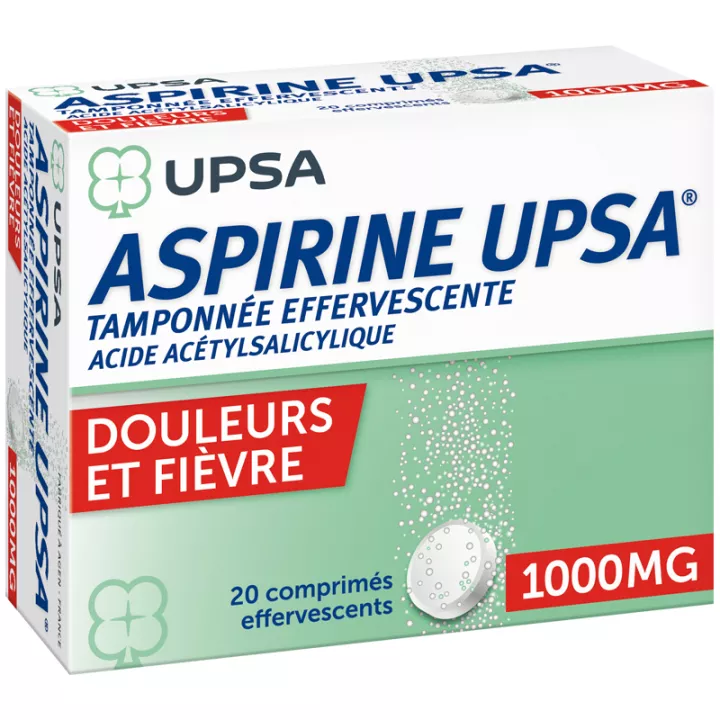
Aspirin 1000MG UPSA Effervescent Tablets Aspirin 1000MG UPSA Effervescent Tablets
€3.99
Add to cart
Shipped within 24h
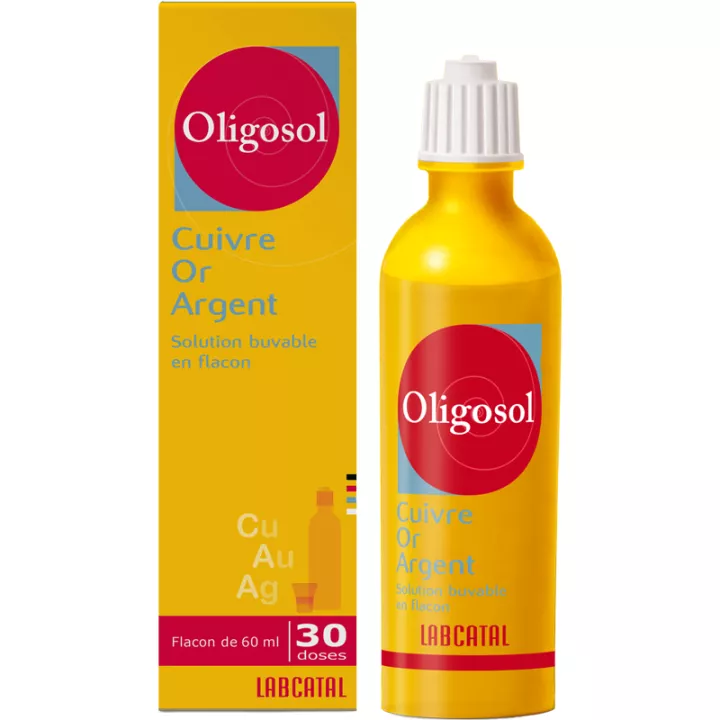
Oligosol Copper Gold Silver Cu-Au-AG Labcatal 60 ml Oligosol Copper Gold Silver Cu-Au-AG Labcatal 60 ml
€6.99
Shipped within 24h