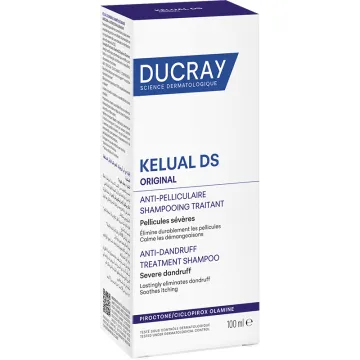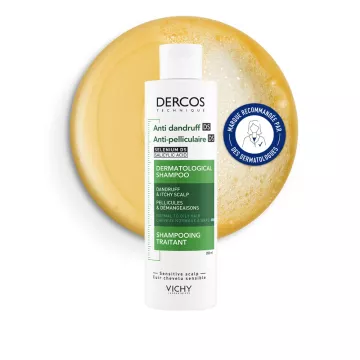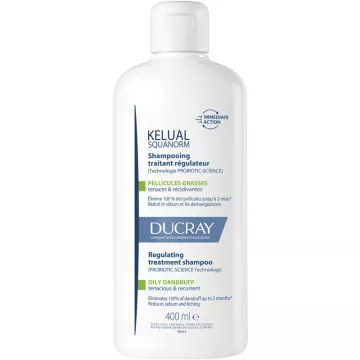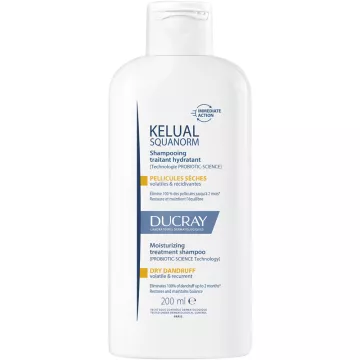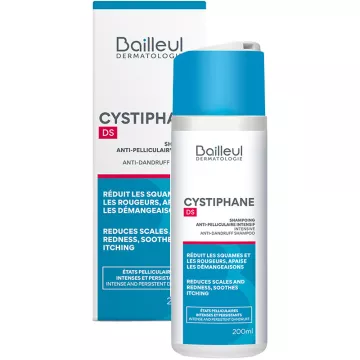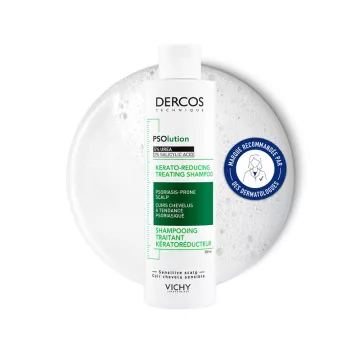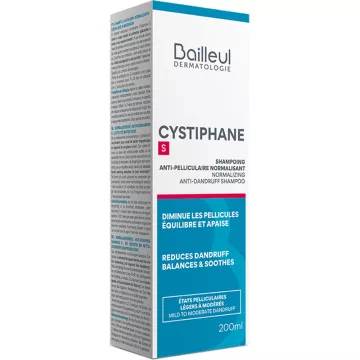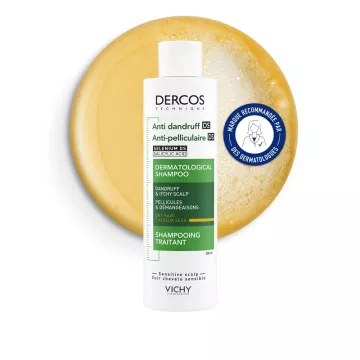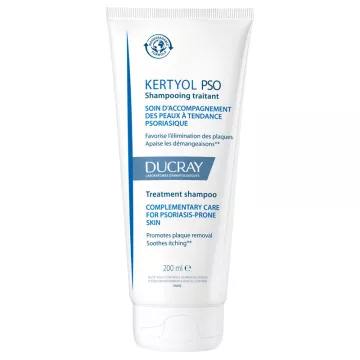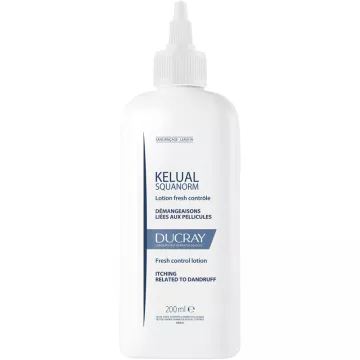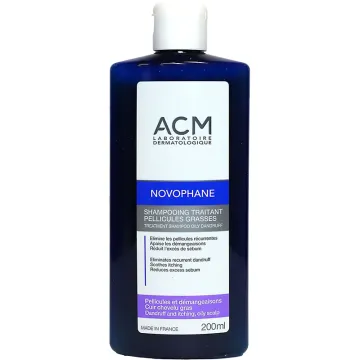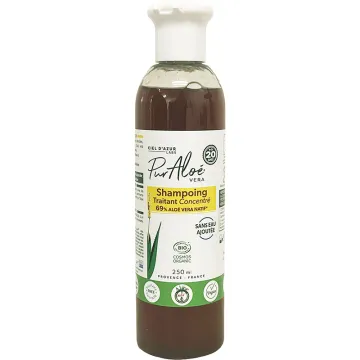
A treatment shampoo is a hair care product formulated to address specific scalp and hair issues. Unlike a standard cleansing shampoo, it contains targeted active ingredients to soothe scalps prone to dandruff, excess sebum, itching, or other discomforts. These shampoos fall somewhere between cosmetic care and pharmaceutical products: some are available over the counter, while others require a recommendation from a pharmacist or dermatologist, depending on their active ingredients. They are part of a targeted hair care routine, used in rotation with a mild shampoo.
The choice depends on the specific problem:
For persistently oily hair, alternating with a gentle shampoo helps maintain the scalp’s balance.
For optimal effectiveness, thoroughly wet the hair with lukewarm water. Apply a sufficient amount of shampoo to the scalp and gently massage with your fingertips for 3 to 5 minutes—a longer application time than with a regular shampoo—to allow the active ingredients to take effect. Rinse thoroughly. Depending on the product, a second application may be recommended. Adhering to the recommended processing time is essential for anti-dandruff treatment shampoos: rinsing too quickly reduces their effectiveness. For sensitive scalps, avoid scrubbing with your fingernails. Complete the routine by applying conditioner only to the lengths of your hair, without touching the scalp while it is being treated, so as not to dilute the action of the active ingredients.
The frequency depends on the specific issue and the product’s recommendations. For dandruff, generally 2 to 3 times a week. For an oily scalp, about 3 times a week. For itching, as needed, on average 2 to 3 times a week. Treatment shampoos are generally not intended for prolonged daily use: the concentrated active ingredients can dry out or upset the balance of the scalp over the long term. Once the problem has improved, space out applications and switch to a mild shampoo for maintenance. Results usually appear after 2 to 4 weeks of regular use. If no improvement is seen, professional advice is recommended.
Certain substances can irritate or weaken a scalp that is already sensitized by a dermatological condition. Sulfates (SLS, SLES) can dry out an irritated scalp. Synthetic fragrances can cause irritation and allergies on reactive skin. Formaldehyde and its releasers, classified as carcinogens by the IARC (Group 1) and strictly regulated in cosmetics, should be avoided at all costs, particularly in certain hair-straightening products. For a scalp that is already compromised, opt for sulfate-free, fragrance-free formulas with short, easy-to-read ingredient lists. The presence of soothing active ingredients such asaloe vera or panthenol is beneficial for minimizing treatment-related discomfort.
Herbal treatment shampoos can help soothe the scalp when they contain well-documented active ingredients.Tea tree essential oil is traditionally valued for soothing irritated scalps.Aloe vera soothes and moisturizes. Nettle and chamomile extract round out these plant-based formulations. These ingredients offer beneficial soothing properties, provided their concentration and quality are high enough to ensure real effectiveness. Plant-based approaches are particularly well-suited for the care and comfort of sensitive scalps. For an established dermatological condition, they can complement but do not replace appropriate medical treatment. Check the INCI list to determine the actual position of these active ingredients in the formula.
Certain conditions go beyond the scope of cosmetics and require medical advice. Fungal infections of the scalp, such as ringworm, require a dermatological diagnosis and treatment: shampoo alone is not enough. Psoriasis of the scalp or severe seborrheic dermatitis (red patches, thick scales, intense itching) warrants a medical consultation. Significant, sudden, or persistent hair loss should be medically evaluated: stress, nutritional deficiencies, hormonal imbalances, or certain medical conditions are common causes that shampoo alone cannot treat. Topical medications (such as minoxidil) require a prescription and medical follow-up, and are not shampoos. If in doubt, a pharmacist or dermatologist is the best person to consult.
Like any product containing concentrated active ingredients, treatment shampoos may cause side effects, which are generally rare and mild: scalp irritation, dryness, or allergic reactions. A patch test before first use is recommended. If redness, itching, or a burning sensation occurs, discontinue use and consult a dermatologist. These products can be used with other products (conditioners, hair masks), provided you avoid combining active ingredients that may conflict. For children, whose scalps are more sensitive, it is essential to choose a product formulated for their age that is hypoallergenic and free of irritants, and to consult a pediatrician or dermatologist before using any medicated shampoo. For toddlers, opt for a gentle baby shampoo. Buying from reliable sources ensures the product’s quality and safety.