Damaged hair is usually the result of a buildup of stressors that wear down the hair shaft: environmental stress (sun, pollution, wind), repeated chemical treatments (coloring, straightening), heat from styling tools (hair dryers, flat irons), and an unbalanced diet. Together, these factors damage the cuticle and dehydrate the hair shaft, causing it to become dull, dry, and brittle. Hair “fatigue” is actually a condition of damaged and dehydrated hair, similar to that of damaged hair. The good news: while structural damage is irreversible, a tailored routine can significantly improve the hair’s appearance, comfort, and apparent vitality. Understanding the causes allows you to reduce damage before it occurs and tailor your hair care routine toward nourishment and protection.
Several signs indicate tired hair:
If your hair constantly seems unruly, flat, and lifeless, it’s likely in an advanced state of fatigue. Spotting these signs early allows you to take action before the condition worsens—by adopting a more nourishing routine and reducing sources of hair stress.
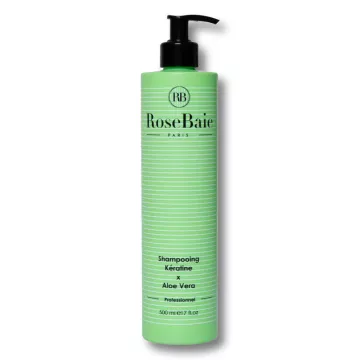
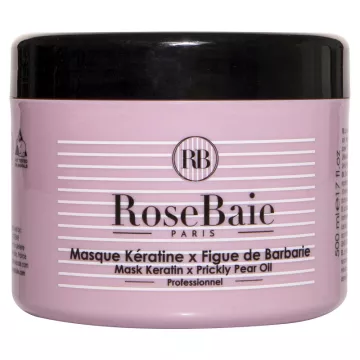
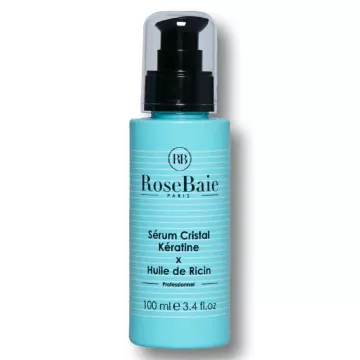
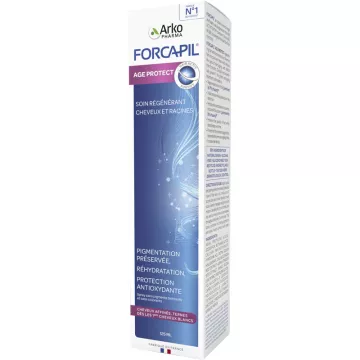
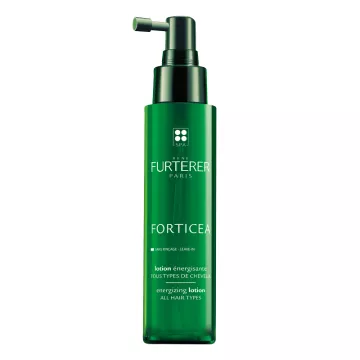
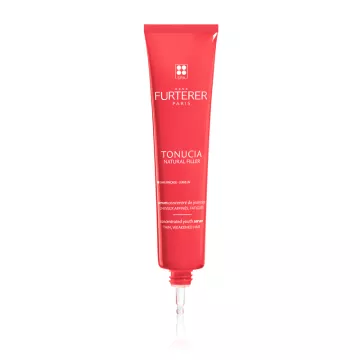
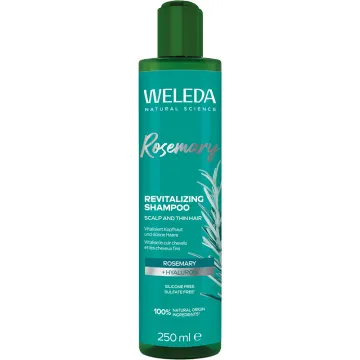
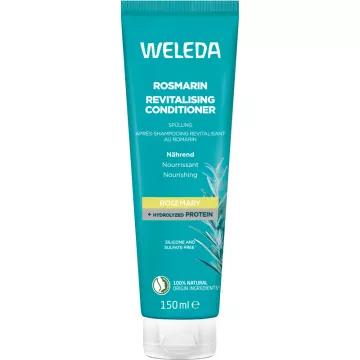
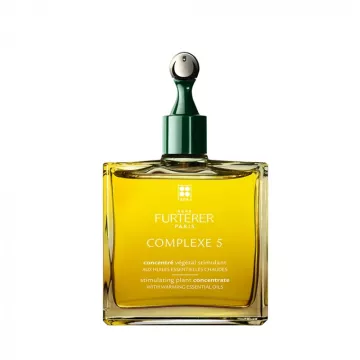
To restore vitality to tired hair, opt for nourishing and coating treatments. Treatments rich in keratin, amino acids, and plant-based oils—such asargan orcoconut oil —coat the hair shaft and lock in moisture, significantly improving its appearance. Masks made with shea butter oraloe vera provide deep nourishment. A word of honesty: these treatments improve the hair’s appearance and manageability but do not actually “restructure” it from the inside, since hair is dead matter. Look for formulas enriched with panthenol, antioxidants, and plant extracts (chamomile, green tea) that have revitalizing properties. Alternating between protein treatments (for strength) and moisturizing treatments (for softness) helps maintain balance. Regular use of these treatments gradually transforms the appearance of tired hair, restoring its shine and softness.
A routine tailored to tired hair is all about gentleness:
On a daily basis, use products that offer protection against heat and UV rays, wear a hat during prolonged sun exposure, and choose soft hair ties instead of tight elastic bands. This simple, consistent routine gradually restores vitality and comfort to damaged hair.
Several natural remedies revitalize damaged hair. Homemade masks made with honey, eggs, and olive oil provide intense hydration and restore shine. A weekly oil treatment (coconut, argan) deeply nourishes the hair. A rinse with diluted apple cider vinegar tightens the cuticles and adds shine. When it comes to daily protection, shielding your hair from external aggressors is essential to prevent further damage: use UV-protective products before sun exposure, wear a hat or scarf, and rinse with fresh water after swimming in chlorinated or saltwater. Avoid hairstyles that pull on the roots. These simple, natural, and cost-effective steps effectively complement a hair care routine by combining nutrition (masks) and prevention (protection). For long-lasting revitalized hair, consistency in these gentle care practices is more important than occasional intensive treatments.
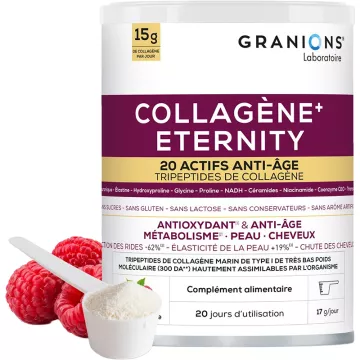
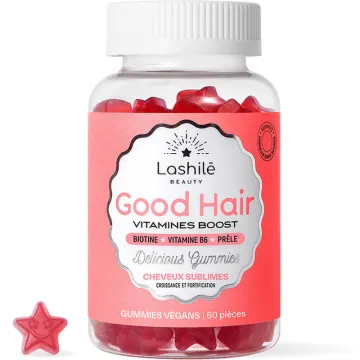
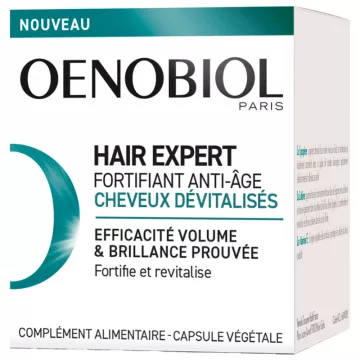
Stress affects hair health: it can cause temporary hair loss known as telogen effluvium, in which hair prematurely enters the resting phase before falling out, a few weeks to a few months after the triggering factor. This hair loss is generally reversible once the stress is managed. Relaxation techniques (yoga, meditation, exercise) help minimize it. In terms of nutrition, B vitamins—including biotin—as well as iron, zinc, and vitamin E support hair health; biotin and zinc help maintain normal hair, while iron helps reduce fatigue. Protein, an essential component of hair, is important for its strength. Staying well-hydrated by drinking enough fluids supports overall health. Supplements are only warranted in cases of proven deficiency, ideally confirmed by a medical evaluation.
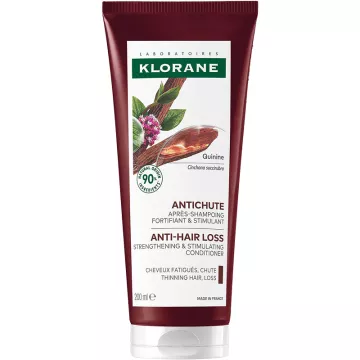
Let’s be honest: structural damage to the hair shaft is often irreversible, since hair is dead matter that does not regenerate. However, it is entirely possible to minimize and conceal these effects, and to significantly improve the hair’s appearance and manageability. Regular use of deep-conditioning treatments and coating products restores the hair’s appearance, shine, and suppleness. Regular trims eliminate split ends and allow healthy lengths to take over. Above all, the real key is prevention: reducing damage from heat, chemicals, and sun exposure prevents hair from becoming damaged. For severely damaged hair or persistent hair loss, consult a professional—a hairstylist for treatments, or a doctor if abnormal hair loss suggests an underlying cause. Patience and consistency with a gentle routine remain the best allies for revitalized hair.