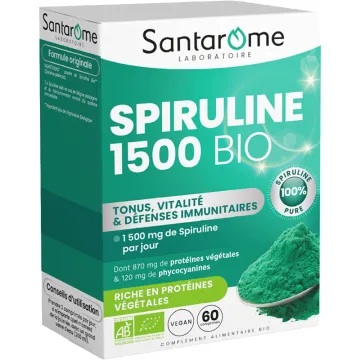
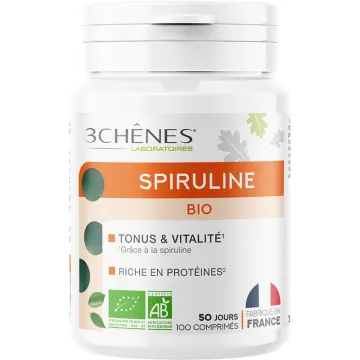
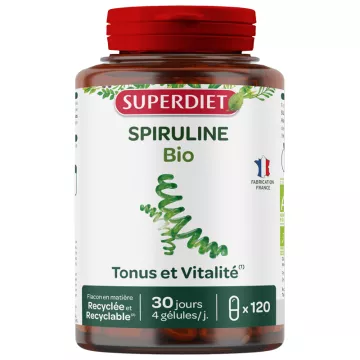
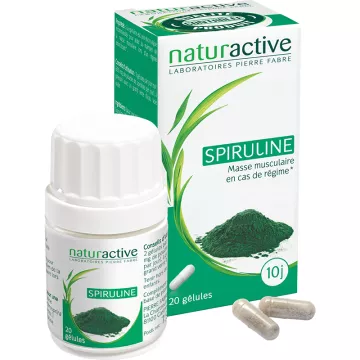
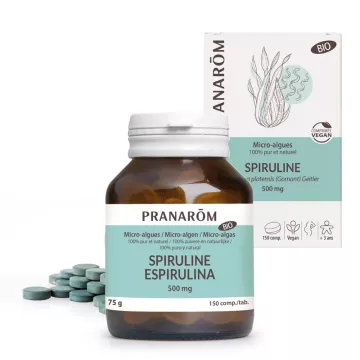
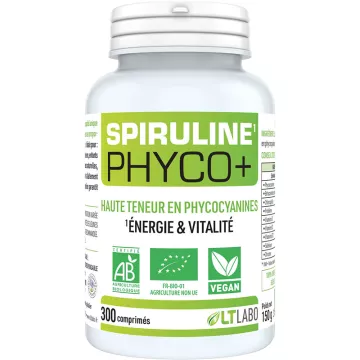
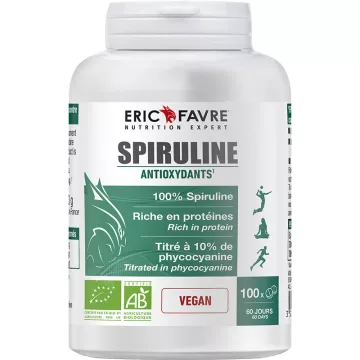
Superfoods refer to foods or plant extracts that are particularly rich in micronutrients, antioxidants, or specific bioactive compounds. In health food stores, they are sold as dietary supplements—capsules, powders, tablets—that concentrate the active ingredients of plants or algae that are difficult to consume in sufficient quantities through diet alone. Check out our selection of spirulina, maca, and goji berries.
What is a superfood?
The term “superfood” has no official regulatory definition—it refers to foods whose nutritional profile is particularly rich in beneficial nutrients: antioxidants (polyphenols, carotenoids), vitamins, minerals, essential fatty acids, or proteins of high biological value. As dietary supplements, they are valued for their nutritional density per serving—whereas a typical balanced diet would provide insufficient amounts to achieve the documented benefits. They complement, but do not replace, a varied diet.
Which superfoods are available as dietary supplements?
Several superfoods are the subject of clinical studies and are available as pharmaceutical-grade supplements.
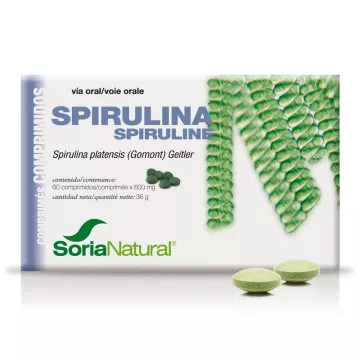
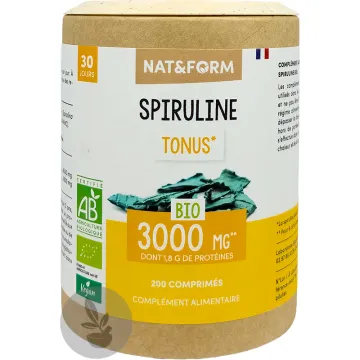
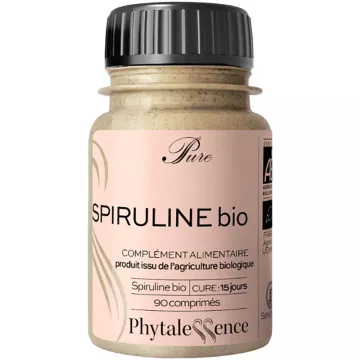
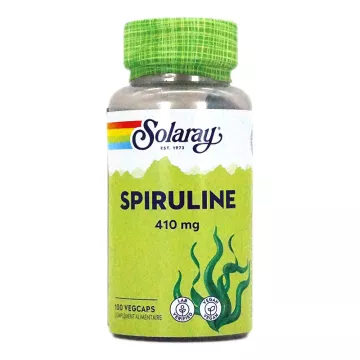
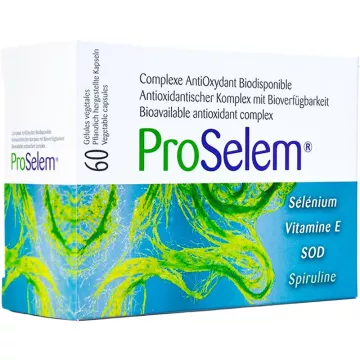
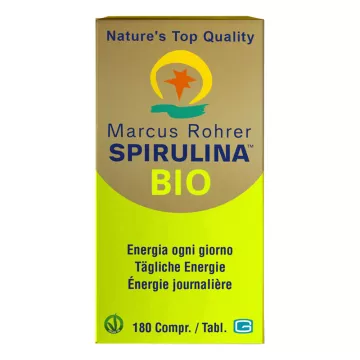
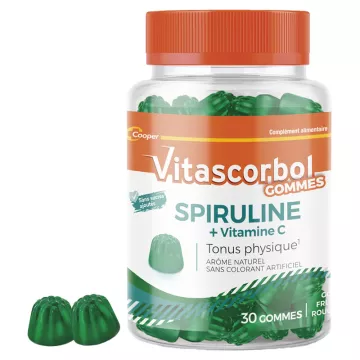
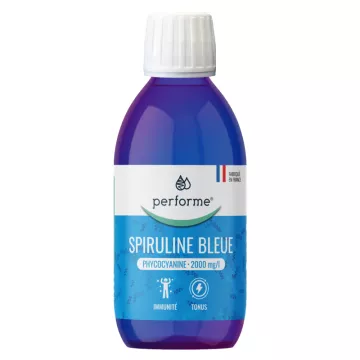
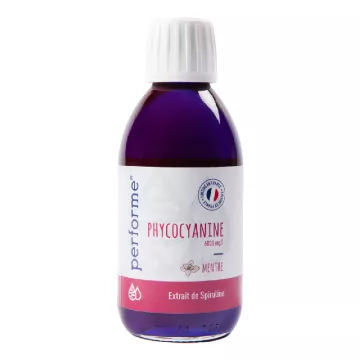
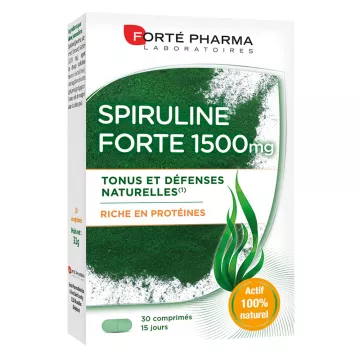
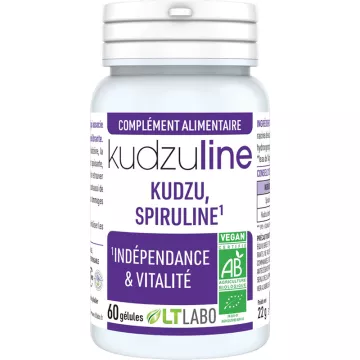
- Spirulina: a blue-green microalgae exceptionally rich in protein (60–70%), iron, beta-carotene, and phycocyanin—an antioxidant and immune system supporter
- Maca: an Andean adaptogenic root rich in glucosinolates, macamides, and plant sterols—supports energy and vitality
- Moringa: “miracle tree,” with leaves rich in vitamins (C, A, K), minerals, essential amino acids, and antioxidants
- Pomegranate: rich in punicalagins, ellagitannins, and anthocyanins — supports cardiovascular health and provides antioxidant protection
- Goji, acai, aronia, and baobab berries: rich in antioxidants and vitamin C
Superfoods and Antioxidants: What Are the Benefits?
Antioxidant activity is the most well-documented property of superfoods used as dietary supplements.
- Berries (blueberries, acai, aronia) are among the richest sources of anthocyanins—antioxidant pigments that protect cell membranes
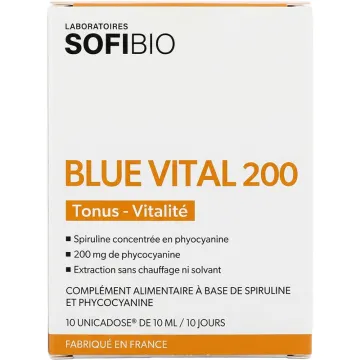
- Spirulina contains phycocyanin—a water-soluble antioxidant unique to cyanobacteria
- Pomegranate (punicalagins) and moringa (quercetin, chlorogenic acid) round out the polyphenolic spectrum
- In synergy with the overall antioxidant network: vitamins C and E, selenium, and coenzyme Q10
- Diversifying your sources of superfoods is more effective than focusing on a single active ingredient
Superfoods and Immunity: What Does the Science Say?
Several superfoods support the body’s natural defenses through specific mechanisms.
- Spirulina: stimulates NK (natural killer) cells and IgA immunoglobulins—documented in several clinical studies
- Moringa: rich in vitamin C and zinc—two ingredients with EFSA-approved claims regarding normal immune function
- Fermented probiotics (kefir, kombucha, sauerkraut): support intestinal mucosal immunity—see our probiotic line
- No superfood can replace medical treatment in the event of an infection—they support the body’s defenses as part of an overall healthy lifestyle
How can you incorporate superfoods into your supplement regimen?
The dosage form determines bioavailability and ease of use.
- Powders (spirulina, maca, moringa): to be mixed into smoothies, beverages, or yogurt—flexible dosing
- Capsules and tablets: the most convenient form for precise and consistent dosing
- Standardized extracts: guaranteed levels of active ingredients (e.g., spirulina standardized for phycocyanin)—more reliable than raw powders
- Choose certified organic formulas that are free of heavy metals (TPTH test for algae) and GMP-certified
- Introduce each new superfood gradually to monitor individual tolerance
Superfoods: What Precautions Should You Be Aware Of?
Superfood supplements are generally well tolerated—but there are a few points to watch out for.
- Spirulina: Allergy to algae or phenylalanine (phenylketonuria)—contraindicated. Choose a product tested to be free of microcystins
- Maca: Not recommended for people with thyroid conditions (goitrogenic glucosinolates)—medical advice recommended
- Anticoagulants: Pomegranate and moringa may interact—inform your doctor
- Pregnant and breastfeeding women: Check the safety of each superfood individually
- A superfood does not make up for an unbalanced diet—it complements it