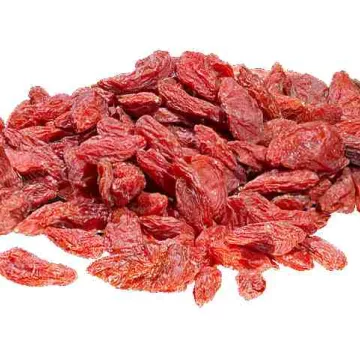
What benefits do goji berries offer the body?
Ancient people used lycion—likely identified as the sap of the lyciet tree—to treat eye diseases.
Leclerc and Dorvaux (1948) reported the beneficial effects of a leaf tincture in treating whooping cough and spasmodic cough at a dose of 1 g per day. It is also reputed to be an immunostimulant and to protect vision. Leclerc (20th century) considered it to be antispasmodic and antitussive, without the eye problems or dry mouth associated with atropine derivatives.
Goji berries (gouqizi) are traditionally used in China to increase longevity and enhance sexual vitality. In the Chinese Pharmacopoeia, they are said to benefit the liver and kidneys, stimulate vital energy, and promote good vision. Indications include deficiencies in vital energy, joint and knee pain, anemia, and dementia. The roots are considered a “cooling” agent. This nightshade, belonging to the same family as belladonna, was considered toxic in the early 20th century following the work of Siebert (1890), who believed he had detected toxic alkaloids in it. In reality, the plant contains only trace amounts of tropane alkaloids, which are found in the leaves and fruits.
In Asia, the berries are added to food as an ingredient.
- Latin name: Lycium barbarum L.
- Botanical family: Solanaceae
- Part used: Fruit
Precautions for use:
- Possible interaction with warfarin and anticoagulants
- Worsening of liver damage due to the ischemia-reperfusion process following liver transplantation
What do goji berries really contain?
- Polysaccharides (LBPs or Lycium barbarum polysaccharides)
- Flavonoids: quercetol diglycoside, rutoside, kaempferol-3-O-rutinoside
- Phenolic acids: chlorogenic acid, caffeic acid, caffeoylquinic acid, p-coumaric acid
- Ascorbic acid (vitamin C), riboflavin (vitamin B2), beta-carotene, iron, zinc, selenium, cerebroside, beta-sitosterol
- Carotenoids: zeaxanthin, beta-cryptoxanthin, neoxanthin
The berry is listed in the French Pharmacopoeia’s directory of medicinal plants and has a monograph in the European Pharmacopoeia and the Chinese Pharmacopoeia. It is an approved ingredient in dietary supplements in France. It is used as a food in Asia, and its use as a food is growing in the West.
The exceptional properties of the goji berry stem from its rich and varied composition of bioactive nutrients, including:
- Specific polysaccharides (LBPs): These compounds are central to the goji berry’s immunostimulatory and antioxidant properties. They play a key role in strengthening the immune system and protecting cells.
- Flavonoids: Powerful antioxidants, such as rutoside, quercetol diglycoside, and kaempferol-3-O-rutinoside, which neutralize free radicals and reduce oxidative stress.
- Phenolic acids: Such as chlorogenic acid and caffeic acid, these compounds possess anti-inflammatory properties and protect against cellular damage.
- Carotenoids: Zeaxanthin, beta-carotene, and beta-cryptoxanthin are pigments that support eye health and protect the retina from damage caused by UV rays and blue light.
- Vitamins and minerals: Goji berries are a concentrated source of vitamin C (ascorbic acid), riboflavin (vitamin B2), iron, zinc, and selenium—micronutrients essential for cellular and metabolic health.
What are the health benefits of goji berries?
Goji berries are particularly well-known for their beneficial effects on vision. This property is attributed to their high zeaxanthin content, a carotenoid that plays a key role in eye health.
- Retinal protection: Zeaxanthin, concentrated in the macula of the eye, acts as a natural filter against UV rays and harmful blue light. It protects retinal cells from oxidative damage responsible for conditions such as age-related macular degeneration (AMD) and cataracts.
- Improved night vision: Specific polysaccharides found in goji berries promote the regeneration of rhodopsin, a pigment essential for vision in low-light conditions.
- Prevention of eye diseases: Thanks to its antioxidant properties, the berry reduces the risk of retinopathy and other complications related to aging or oxidative stress.
Lycium barbarum polysaccharides (LBPs) are at the core of the berry’s immunostimulatory properties. These macromolecules play an active role in modulating the immune system:
- Activation of macrophages and T lymphocytes: LBPs stimulate the activity of key immune cells, thereby strengthening the body’s ability to detect and eliminate pathogens.
- Increased cytokine production: These signaling proteins play a crucial role in communication between immune cells, promoting a coordinated response against infections.
- Reduction of chronic inflammation: The anti-inflammatory properties of goji berries help limit excessive immune reactions, thereby preventing autoimmune and inflammatory disorders.
The antioxidants found in goji berries—such as flavonoids, carotenoids, and phenolic acids—play a fundamental role in protecting cells from free radicals, which are responsible for oxidative stress.
- Cellular protection: Antioxidants neutralize free radicals, thereby reducing damage to DNA, lipids, and cellular proteins.
- Slowing skin aging: By limiting the breakdown of collagen and elastin fibers, these compounds help maintain the skin’s firmness and elasticity.
- Prevention of chronic diseases: By reducing inflammation and oxidative stress, the berry helps prevent conditions such as cardiovascular, neurodegenerative, and metabolic diseases.
According to traditional Chinese medicine, Lycium barbarum is closely linked to liver health.
- Protection against toxins: The polysaccharides and phenolic acids in goji berries help neutralize toxins and protect liver cells from damage.
- Reduction of oxidative stress: Antioxidants protect the liver from damage caused by free radicals, particularly in conditions such as ischemia-reperfusion following a liver transplant.
- Support for liver regeneration: Goji berries are used to stimulate the regeneration of liver tissue, thereby promoting better detoxification and optimal metabolic function.
The goji berry is considered a general tonic in traditional Chinese medicine, capable of revitalizing the body and mind.
- Stimulation of vital energy (Qi): The nutrients in goji berries, combined with their adaptogenic properties, increase resistance to physical and mental stress, thereby improving endurance and overall vitality.
- Reduced Fatigue: By supporting cellular energy production, goji helps reduce chronic fatigue and improve physical performance.
- Improved sexual vitality: Traditionally used to enhance sexual vitality, goji berries also support hormonal health and energy balance.
The bioactive compounds in goji berries play a beneficial role in regulating cardiovascular and metabolic functions:
- Improved blood circulation: Flavonoids and carotenoids contribute to blood vessel health by strengthening their walls and reducing inflammation.
- LDL cholesterol reduction: The antioxidants in goji berries help reduce the oxidation of low-density lipoproteins, thereby limiting the accumulation of atherosclerotic plaques.
- Stabilization of blood sugar levels: The polysaccharides in goji berries promote optimal blood sugar regulation, which is beneficial for people with diabetes or those at metabolic risk.
Goji berries are traditionally used to relieve joint pain and chronic inflammation:
- Reduction of joint inflammation: The berry’s anti-inflammatory compounds alleviate pain associated with arthritis or other musculoskeletal disorders.
- Strengthening of connective tissues: The antioxidants and nutrients in goji berries support the regeneration of joint tissues and cartilage.
What dietary supplements for natural defenses does Soin-et-Nature offer?
Soin-et-Nature offers a wide variety of dietary supplements to strengthen the body’s natural defenses and support the immune system. Here are the main categories available:
These dietary supplements designed to support your body’s natural defenses, available at Soin-et-Nature, help strengthen your immunity and protect your body against everyday stressors in a healthy and natural way.