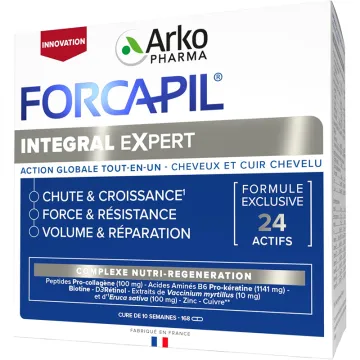
Weak, brittle, or dull hair can result from a combination of factors: nutritional deficiencies, stress, harsh chemical treatments (hair coloring, straightening), excessive use of heat styling tools (hair dryers, flat irons), environmental damage, or even underlying medical conditions (hormonal imbalances, thyroid disorders). Identifying the root cause is the first step in tailoring your hair care routine. It’s helpful to distinguish between hair damaged by external aggressors (which can be prevented and treated with protective products) and fragility linked to an internal factor (such as a deficiency or hormonal imbalance), which requires a different approach. For both fragile and damaged hair, understanding the cause guides you toward the right solution rather than simply piling on products.
Diet plays a recognized role in hair quality. Several nutrients are particularly important:
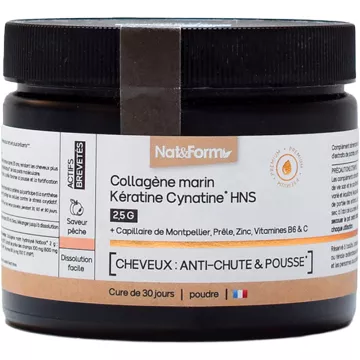
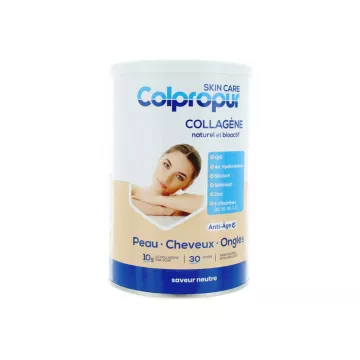
A varied diet covers most of these needs; supplements such as biotin or zinc are only warranted in cases of deficiency confirmed by a medical evaluation.
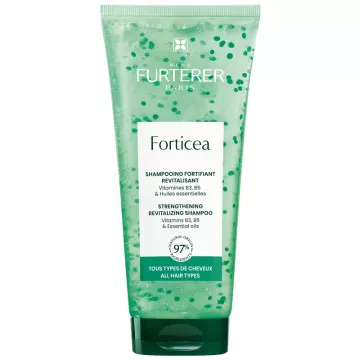
When it comes to hair care, opt for shampoos, conditioners, and masks enriched with coating agents such as keratin, biotin, and nourishing plant oils— coconut oil, argan oil, and shea butter. These ingredients coat the hair shaft, moisturize it, and reduce breakage, improving the hair’s appearance and perceived strength. Oil treatments, protein masks, and leave-in treatments enhance this effect. A fortifying shampoo is a useful addition to the routine. Important: Keratin-based salon straightening treatments should be approached with caution. Some, particularly so-called “Brazilian” straightening treatments, may release formaldehyde, a substance classified as a carcinogen (IARC Group 1) and strictly regulated in cosmetics (0.2% limit in the European Union). It’s best to check the ingredients and opt for formaldehyde-free treatments.
Preventing breakage requires a gentle routine that minimizes mechanical stress. Use soft-bristled brushes and detangle with a wide-tooth comb, ideally on damp hair coated with conditioner, starting at the ends. Avoid hairstyles that are too tight (ponytails and tight braids), which put tension on the hair shaft and roots. Limit the use of heat styling tools and always apply a heat protectant before using a straightener or curling iron. Protect your hair from environmental damage: sun, chlorine, and saltwater. Wear a hat in the sun, rinse with fresh water after swimming, and use protective hair care products. At night, a silk or satin pillowcase reduces friction. These simple steps, when done consistently, preserve the integrity of the hair shaft far more effectively than any one-time repair treatment: prevention remains the best strategy.
Lifestyle influences hair health. Stress can trigger reactive hair loss and weaken the hair shaft; practices such as yoga, meditation, or regular exercise help reduce stress and promote overall well-being. Sleep is also important: getting enough rest (7 to 8 hours) supports the body’s regenerative processes. Hormonal changes (pregnancy, postpartum, menopause) or conditions such as thyroid dysfunction can alter hair density and texture or exacerbate hair loss. These situations require medical attention: in cases of significant, sudden, or persistent hair loss, or a noticeable change in the hair, consulting a doctor, dermatologist, or endocrinologist can help identify a possible hormonal or nutritional cause and tailor treatment accordingly—something no cosmetic product can replace.
Scalp massages are a pleasant and relaxing practice, often enjoyed as part of a skincare routine. By providing a moment of relaxation, they contribute to overall well-being and help reduce stress. They can be performed using your fingertips or with a few drops of vegetable oil, using gentle circular motions. Adding essential oils such as rosemary or peppermint—always diluted—provides an invigorating sensation and a pleasant scent. However, these essential oils are not recommended for pregnant or breastfeeding women or young children, and must be strictly diluted. While massage is a pleasant treatment that helps maintain scalp comfort, you shouldn’t expect miracle results regarding hair growth or density, which depend primarily on internal and genetic factors.
Several persistent beliefs deserve to be debunked. No, cutting your hair does not make it stronger or cause it to grow faster: a haircut affects the ends (by removing split ends), not the root or the rate of growth, which is genetic. No, brushing 100 times a day does not improve hair health; excessive brushing can even weaken the hair and cause breakage. The idea of “accelerating growth” with a product is largely a myth: the rate of growth (about 1 cm per month) is determined by genetics and cannot be changed. What you can do is preserve the length of your hair by minimizing breakage. Relying on evidence-based advice and the guidance of professionals remains the best strategy for maintaining healthy hair, rather than following unsubstantiated tips that may even prove counterproductive.
Certain situations go beyond cosmetic concerns and warrant medical advice. Significant, sudden, or diffuse hair loss; a noticeable change in texture or density; or unexplained brittleness may indicate a deficiency, a hormonal imbalance, or another underlying cause that needs to be investigated. Similarly, scalp issues—such as seborrheic dermatitis, psoriasis, or persistent dandruff —that are accompanied by itching, flaking, or redness indirectly harm hair health and often require treatment prescribed by a dermatologist. Medicated shampoos and specialized treatments should not be used without professional guidance. A healthcare professional can provide an accurate diagnosis, screen for potential deficiencies through testing, and recommend appropriate treatment. When faced with a persistent or concerning hair problem, seeking medical advice remains the safest course of action, in addition to a gentle and regular hair care routine.