What is skin redensification?
Skin redensification encompasses approaches aimed at restoring the skin’s visible density, suppleness, and firmness. Characteristics:
- Objective: to counteract the natural decline in supportive fibers (collagen, elastin) and hyaluronic acid in the skin
- Target: skin showing a loss of volume, suppleness, or firmness, generally starting around age 35–40
- Complementary approaches: topical treatments, dietary supplements, medical aesthetic procedures
- Visible results: firmer skin, a more defined facial contour, reduced fine lines, and a more even complexion
- Progressive results over several weeks to several months
- Supports skin functions without reversing the aging process
Redensification is not a single medical category but a comprehensive strategy combining multiple approaches. For loss of density and firmness in general, complementary resources are available to support you.
What methods are available for redensification?
Several approaches can be combined:
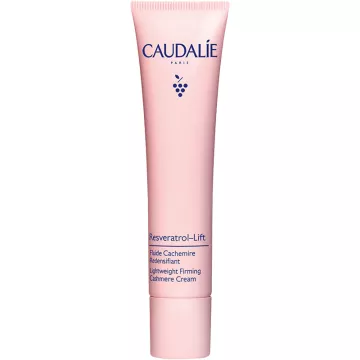
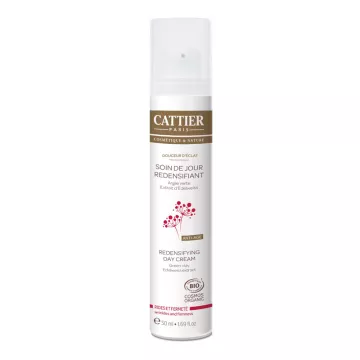
- Daily topical treatments: creams, serums, and masks formulated with scientifically validated active ingredients
- Microneedling: microneedles that promote skin renewal (a medical or cosmetic procedure depending on depth)
- Ablative or non-ablativefractional lasers: target the deeper layers
- Monopolar or multipolarradiofrequency: gradual skin-tightening effect
- High-IntensityFocused Ultrasound (HIFU): targets the SMAS (deep layers of the face)
- Skinboosters: microbolus injections of hyaluronic acid to improve skin quality
- Mesotherapy: revitalizing cocktails (vitamins, minerals, hyaluronic acid)
- Volumizing injectable hyaluronic acid: restores facial volume
- Calcium hydroxyapatite and poly-L-lactic acid: so-called “progressive” stimulants
- Dietary supplements: hydrolyzed collagen, vitamin C, oral hyaluronic acid as a course of treatment
- Superficial to mediumchemical peels
- Surgical facelift for cases of significant sagging
The choice depends on skin type, age, expectations, budget, and individual contraindications. A dermatological consultation helps prioritize these options.
How to choose the right treatment?
Several criteria guide the decision:
- Skin type: dry, combination, oily, sensitive, mature
- Phototype: Darker skin types are at higher risk of paradoxical hyperpigmentation following certain procedures
- Age and stage of skin aging
- Main concerns: loss of volume, wrinkles, firmness, skin quality
- Individual tolerance to concentrated active ingredients or invasive procedures
- Hormonal status: pregnancy, breastfeeding, menopause
- Medical history: skin conditions, healing disorders, allergies
- Current treatments: photosensitizing medications, anticoagulants
- Budget and availability for any follow-up care
- Realistic expectations regarding possible results
A dermatology or aesthetic medicine consultation allows for an assessment of these factors and the development of a prioritized, personalized treatment plan. For daily skincare, your pharmacist remains a valuable resource.
What active cosmetic ingredients should you look for?
Several well-documented ingredients support the skin’s visible health:
- Hyaluronic acid: a key moisturizer with an immediate plumping and optical firming effect
- Cosmetic retinol: promotes cell turnover (use only at night; photosensitizing; contraindicated during pregnancy and breastfeeding; introduce gradually)
- Peptides: support skin suppleness and firmness through their signaling action
- Vitamin C: an antioxidant that contributes to healthy skin function
- Vitamin E: an antioxidant that works in synergy with vitamin C
- Niacinamide: improves the visible quality of the skin, soothes
- Coenzyme Q10: targeted antioxidant
- Resveratrol: a plant-based antioxidant
- Ceramides and squalane: restore the skin barrier
- DMAE: gradual cosmetic firming effect
- AHAs (glycolic acid, lactic acid): gentle exfoliants (photosensitizing)
- Caffeine: visible local firming effect
- Targeted plant extracts: Centella asiatica, edelweiss, grape
The combination of complementary active ingredients in a balanced formula is often more effective than a single concentrated active ingredient.
What daily routine should you follow?
A consistent routine enhances the effectiveness of your skincare:
In the morning:
- Gently cleanse with micellar water or a non-detergent creamy cleanser
- Antioxidant serum with vitamin C or vitamin E
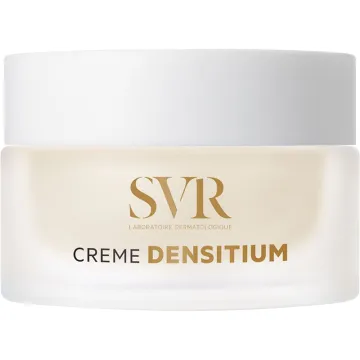
- A richmoisturizer suited to your skin type
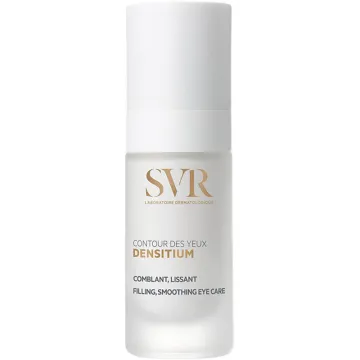
- Specificeye contour treatment
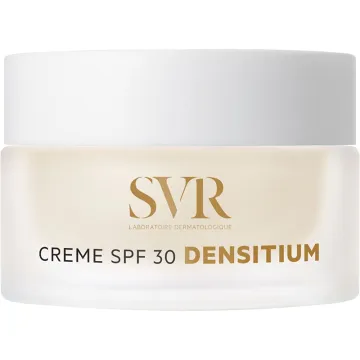
- SPF 30 to 50+ sunscreen is essential as the final step
In the evening:
- Thorough makeup removal
- Follow up witha gentle cleanser
- Targeted serum (cosmetic retinol, peptides, or hyaluronic acid, depending on the night)
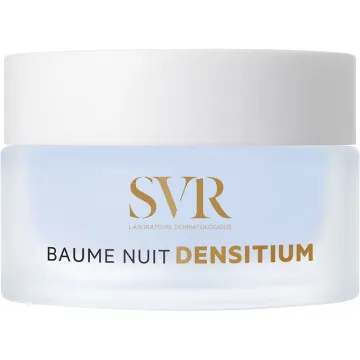
- Nourishing night cream without SPF
- Specificeye contour treatment
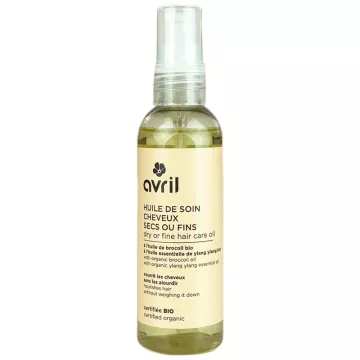
- Finishingplant-based oil for dry skin
Weekly: gentle exfoliation 1–2 times, suitable mask 1–2 times. Consistency is more important than the sophistication of the products. Our anti-aging skincare section at the pharmacy offers suitable products.
What dietary supplements are helpful?
As advised by a pharmacist, certain supplements can support skin health:
- Hydrolyzed collagen or marine collagen as a 2- to 3-month course
- Oral hyaluronic acid as a course of treatment
- Vitamin C: contributes to normal collagen metabolism (EFSA claim)
- Vitamin E: protection against oxidative stress
- Selenium: cellular protection
- Zinc: supports normal skin
- Omega-3 EPA-DHA: supports skin barrier function
- Coenzyme Q10: systemic antioxidant
- Organic silicon: structural trace element
- Carotenoids and beta-carotene: oral sunscreen during the summer months
- Oral resveratrol: complementary antioxidant
A personalized assessment by your licensed pharmacist helps identify the supplements most relevant to your current dietary intake. No routine supplementation without a specific medical indication provides any additional benefit beyond a balanced diet.
What risks and precautions should be considered?
Several precautions are necessary depending on the approach:
For cosmetic treatments:
- Conduct a 48-hourpatch test on the inner elbow before any first-time use
- Gradually introduce concentrated active ingredients (retinol, AHAs)
- Avoid using multiple irritating active ingredients at the same time
- Consistent use of sun protection at the same time
- Discontinue use if irritation persists
For cosmetic procedures:
- Skin reactions: transient redness, swelling, and sensitivity
- Post-inflammatory hyperpigmentation, particularly in darker skin types
- Rareinfections requiring antibiotic prophylaxis
- Allergies to active ingredients or anesthetics
- Asymmetry or unsatisfactory results
- Recovery may take some time, depending on the depth of the procedure
Main contraindications: pregnancy and breastfeeding (as with most cosmetic medical procedures), impaired wound healing, active skin infections, recent sun exposure, and certain ongoing treatments (anticoagulants, recent isotretinoin use). A thorough discussion with the practitioner is essential before any invasive procedure.
Which non-invasive approaches should be prioritized?
Several simple steps can help maintain healthy skin over the long term:
- Internal hydration: 1.5 to 2 L of water per day
- A balanced diet rich in antioxidants, high-quality protein, and omega-3s
- Regular moderatephysical activity: 150 minutes per week (WHO recommendations)
- Strength training twice a week
- Quality sleep: 7 to 9 hours per night
- Chronicstress management
- Gentle facial massage for 5 to 10 minutes a day to improve microcirculation
- Cold roller or gua sha made of ceramic or jade
- Strict sun protection with SPF 30 to 50+ daily
- Avoid tobacco and limit alcohol consumption
- Sleep on your back as much as possible
- Silk or satin pillowcase
- Seasonal and needs-based targetedsupplement regimens
These approaches yield the best long-term results, without risk or high cost. No single measure can replace this foundation.
When can you expect to see the first results?
Timelines vary depending on the approach chosen:
- Daily topical treatments: first signs in 4–6 weeks, more noticeable results in 3 months
- Microneedling: gradual improvement over 3 to 6 monthly sessions
- Radiofrequency: gradual results over 3 to 6 months, requiring multiple sessions
- HIFU: Visible tightening effect at 2–3 months, optimal at 6 months
- Fractional lasers: effects seen over several spaced-out sessions
- Chemical peels: results after 3 to 6 sessions
- Skin boosters: improvement in skin quality over 1 to 3 sessions spaced apart
- Injectable hyaluronic acid fillers: immediate results, lasting 6 to 24 months
- Dietary supplements (collagen): minimum treatment course of 2 to 3 months
- Lifestyle changes: visible effects after a few months, lasting for years
Combining several approaches over time yields better results than using any single approach alone.
How can you maintain the results?
Maintaining results requires a long-term approach:
- Strict sun protection for life: SPF 30 to 50+ daily (key factor #1)
- Consistent use of a skincare routine tailored to your changing skin profile
- Seasonal courses of dietary supplements, if appropriate
- Annual or biannualdermatological follow-up, as appropriate
- Periodic touch-ups of aesthetic procedures every 6 months to 2 years, depending on the technique
- Maintenanceof a healthy lifestyle over time
- Avoidance of aggravating factors (smoking, excessive sun exposure, chronic stress)
- Adjusting your routine to hormonal changes (menopause)
- Regularself-monitoring (ABCDE rule for skin lesions)
- Hydration and nutrition at the core of daily habits
Management is a long-term process. For mature skin and signs of aging in general, a consistent strategy combining topical treatments, supplements, a healthy lifestyle, and any necessary medical procedures yields the most lasting results. Your pharmacist remains a valuable resource for adapting this strategy over the years.