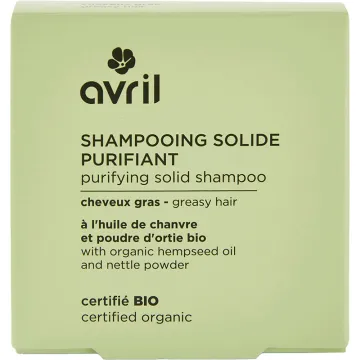
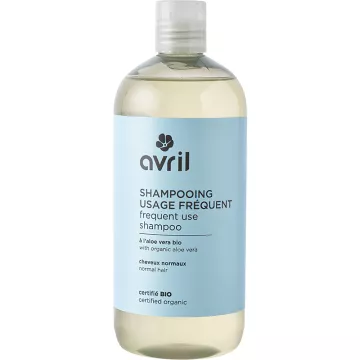
An organic shampoo is a hair care product formulated with natural ingredients sourced from organic farming. Unlike conventional shampoos, it excludes controversial substances such as harsh sulfates, parabens, and silicones. It relies on plant extracts, vegetable oils, and mild, naturally derived surfactants to cleanse and care for the hair and scalp. The key difference from a product that is simply “natural” lies in the certification and traceability of the ingredients. For an overview of organic shampoos and their benefits, the dedicated page on organic shampoo provides a helpful complement to these guidelines as part of a gentle hair care routine.
Organic shampoo offers several concrete benefits:
These benefits are primarily cosmetic and stem from the formula’s gentleness, which is particularly beneficial for a sensitive scalp.
The distinction is often a source of confusion, even though it is quite precise. An organic shampoo contains ingredients derived from organic farming—that is, grown without pesticides or synthetic chemical fertilizers—and is certified to guarantee this. A natural shampoo, on the other hand, may contain ingredients of natural origin that are not certified organic: the term “natural” is not regulated in the same way and does not offer the same guarantees of traceability. Organic products therefore provide an additional assurance of purity and environmental responsibility, verifiable through a certification label. This does not mean that a natural shampoo is of lower quality, but rather that its claims rely on the manufacturer’s transparency rather than on third-party certification. For comparison, the natural shampoo page clarifies this important distinction when making a choice.
In the face of “greenwashing,” there are a few reliable indicators that can help you identify a truly organic shampoo. Certifications are the most reliable criterion: look for recognized labels such as Ecocert, Cosmebio, Cosmos Organic, or USDA Organic, which impose strict standards regarding the proportion and origin of ingredients. Next, check the INCI list: read it to verify that the ingredients are indeed natural and organic, and be wary of formulas where natural active ingredients appear only at the end of the list (and thus in small quantities). Finally, look for transparency from the manufacturer: committed brands clearly communicate their production processes and the origin of their raw materials. A slightly higher price is often due to the cost of certified ingredients and sustainable production processes. These simple checks help you avoid paying for fake organic products and ensure you’re getting a product that truly lives up to its promises.
Several ingredients commonly found in conventional shampoos warrant attention. Sulfates (powerful foaming agents) can dry out and irritate the scalp. Parabens are preservatives that are the subject of debate regarding their potential impact on the endocrine system. Silicones provide an immediate smooth feel but can build up, weigh down the hair shaft, and mask its true condition. Phthalates, sometimes found in fragrances, are also under scrutiny. Learning to identify these ingredients on the label helps you make informed choices, whether or not you opt for organic products. A certified organic shampoo, by definition, excludes most of these substances, which simplifies the choice for those who wish to avoid them. In any case, opting for short, transparent formulas is always a good habit to maintain the scalp’s balance.
Yes: there are organic shampoos formulated for every hair type—dry, oily, normal, curly, fine, or thick. Reading labels and choosing a product suited to your hair type is essential for optimal results. Organic shampoo is also often recommended for color-treated hair: the absence of harsh sulfates minimizes color fading, while natural ingredients protect and nourish the hair shaft, prolonging the vibrancy of the shade. An organic shampoo for color-treated hair thus combines gentleness with color protection. Some organic shampoos, enriched with tea tree oil or clay, also provide relief for scalps prone to dandruff—gently and without drying them out—making them suitable for regular use.
Daily use of an organic shampoo is generally safe, as its mild surfactants do not irritate the scalp or the hair shaft. However, washing your hair too often isn’t ideal: it can disrupt the hydrolipidic film and, as a result, lead to overproduction of sebum. Washing your hair 2 to 3 times a week is often recommended for healthy hair, though this should be adjusted based on your scalp type (oily scalps may require more frequent washing with a suitable product). To maintain its quality, store organic shampoo in a cool, dry place, away from heat and humidity, with the bottle tightly closed, and use it before the expiration date: natural formulas, which contain fewer preservatives, may be more sensitive to time. A gentle organic shampoo is particularly suitable for frequent washing.
It’s possible to make your own organic shampoo at home using simple ingredients: for example, distilled water, organic liquid Castile soap, a spoonful of jojoba oil, and a few drops of lavender or rosemary essential oils, mixed in a glass bottle and shaken before use. This approach allows you to have complete control over the formula. A few precautions, however: essential oils are potent active ingredients that should be used sparingly (just a few drops are enough); they should be avoided by pregnant or breastfeeding women and young children; and a skin test is recommended. Homemade preparations have a short shelf life and must be used quickly, as they contain no preservatives. For those who prefer the simplicity and safety of a proven and certified formula, a commercially available organic product remains an excellent option, combining quality assurance with convenience.