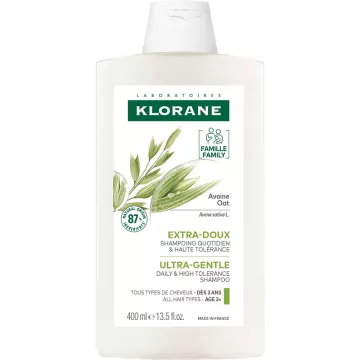
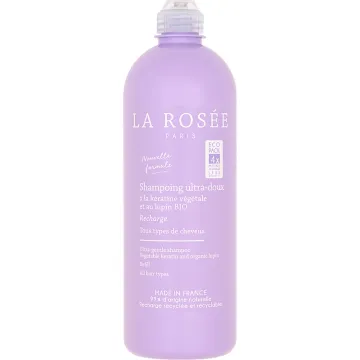
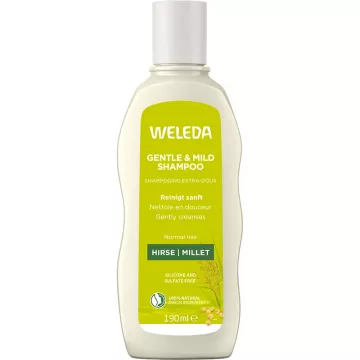
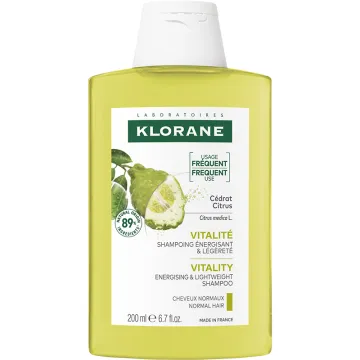
Normal hair refers to a balanced hair type that is neither excessively oily nor noticeably dry. Generally smooth, shiny, and easy to style, it reflects an ideal balance between hydration and sebum production and holds its shape well throughout the day. It’s the easiest hair type to manage, but that doesn’t mean you should neglect it: the key is to preserve this delicate balance without disrupting it with inappropriate or overly harsh products. Unlike oily or dry hair, it requires moderate care rather than corrective treatment. A gentle, regular hair care routine is enough to keep it in top condition.
To recognize normal hair, observe how it behaves after a standard wash:
If these criteria apply, you likely have normal hair. Note that the same scalp can change depending on the season, age, or hair care routine: a “normal” hair type can shift toward dry or oily if it is mistreated, which is why it’s important to maintain its balance.
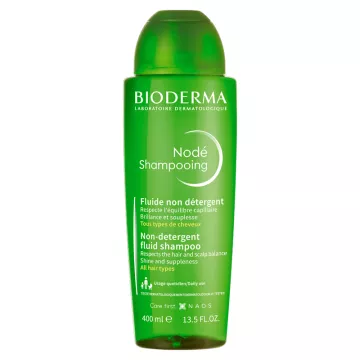
Normal hair requires moderate care that respects its balance without disrupting it. Use a mild shampoo and a lightweight conditioner that won’t weigh down the hair shaft. Opt for products with natural ingredients likealoe vera or green tea, which support the hair’s overall health without upsetting the scalp’s balance. A common mistake with normal hair is over-treating it: too many rich products can weigh it down and make it greasy, while products that are too harsh can dry it out. The right balance is key. So there’s no need to pile on specialized products: a simple, gentle, and consistent routine is all it takes to perfectly maintain hair that’s already balanced. The best approach is to listen to your hair and make slight adjustments based on the season or specific needs, without disrupting a routine that works.
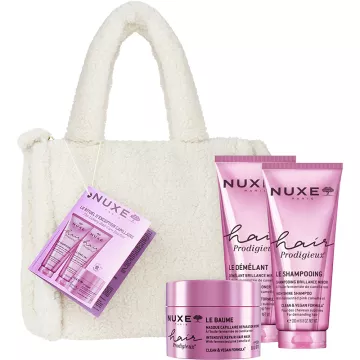
To keep normal hair in excellent condition, wash it every two to three days, using conditioner with every wash to make detangling easier and leave a light protective layer. Once a week, a nourishing mask revitalizes the hair shaft without weighing it down. Limit the use of heat for styling and opt for gentle methods like air-drying. When using a heated styling tool, always apply a heat protectant. Gently brushing with a natural-bristle brush distributes sebum along the lengths of the hair and maintains shine. This simple, regular routine is enough to maintain balance. There’s no need to overcomplicate things: consistent, gentle care is the best way to preserve the natural health of normal hair, whose greatest asset is precisely that it requires little effort to stay beautiful.
To avoid disrupting its balance, certain products should be avoided on normal hair. Styling products that are too heavy (thick waxes, overly rich serums) can weigh it down and make it look greasy. Shampoos with harsh sulfates can strip away the protective sebum and upset the scalp’s balance, sometimes causing it to overproduce sebum in response. Products containing high levels ofdrying alcohol can dehydrate the hair shaft: opt for alcohol-free formulas or those with low alcohol concentrations. Generally speaking, any product designed for a specific problem (very dry or very oily hair) is not suitable for balanced hair and may create the very imbalance it claims to correct. The rule is simple: for normal hair, aim for gentleness and lightness, and resist the temptation to use multiple “active” treatments that this hair simply doesn’t need.
Even when balanced, normal hair is subject to external stressors: sun, wind, and pollution. To preserve its shine and suppleness, use products containing antioxidants and UV filters, wear a hat during prolonged exposure, and avoid excessive washing, which strips away beneficial oils. When it comes to coloring, normal hair generally tolerates it well, provided you do so in moderation: opt for ammonia-free formulas enriched with nourishing agents, and apply a restorative treatment afterward to replenish moisture. When done properly, hair coloring will not cause lasting damage to hair that is healthy to begin with. Styling also offers great freedom: medium-length to long cuts work particularly well, allowing for a variety of effortless styles—an added bonus of this versatile hair type.
A balanced diet benefits all hair types. Foods rich in vitamins A, C, and E, zinc, and omega-3s (green vegetables, nuts, fatty fish, and fruits) support scalp health and hair quality—zinc helps maintain normal hair. To prevent potential imbalances such as dandruff, keep your scalp clean with a gentle, pH-balanced shampoo and avoid the buildup of styling product residue. In the event of a minor imbalance, make occasional adjustments to your routine rather than overhauling it completely. The goal remains the same: to preserve the natural balance that is the key to healthy hair. A healthy lifestyle, a varied diet, and a gentle, consistent routine are the best ways to ensure your hair stays healthy, shiny, and easy to manage over the long term.