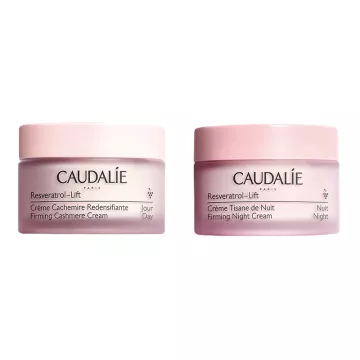
Skin Lifting: What Is the Purpose of This Procedure?
“Skin lifting” refers to all procedures aimed at firming, tightening, and rejuvenating the skin of the face and body by addressing the signs of sagging skin (lossof elasticity, a less defined facial contour, deep wrinkles, loss of firmness).
There are several approaches:
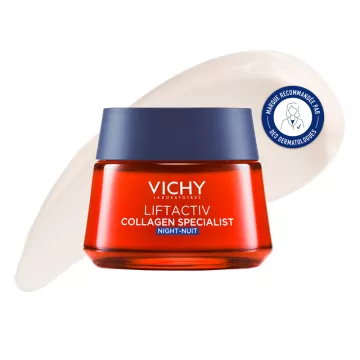
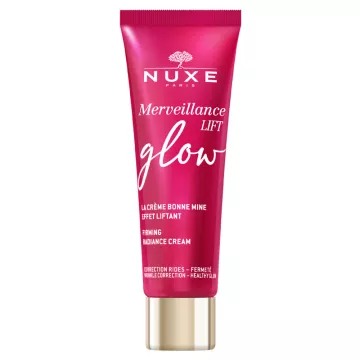
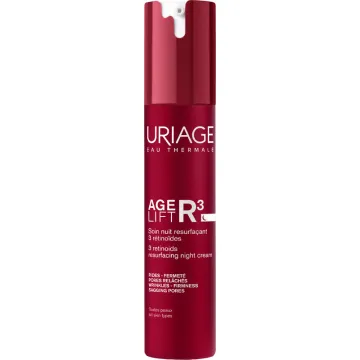
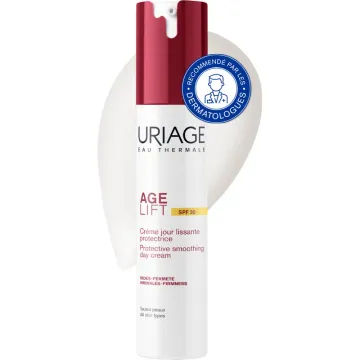
- Lifting skincare treatments: improve skin quality, provide an immediate tightening effect, and offer gradual structural support. See our page dedicated to lifting treatments.
- Non-surgical aesthetic procedures: injections, radiofrequency, HIFU, microneedling, chemical peels, thread lifts.
- Cosmetic surgery: facelift (rhytidectomy), mini-facelift, neck lift, forehead lift, blepharoplasty.
- Healthy lifestyle and sun protection: the essential foundation of any long-term approach.
The choice depends on your expectations, budget, tolerance, and the degree of sagging. These approaches are often complementary: cosmetic treatments provide daily maintenance, while medical procedures offer more structural corrections. For a broader overview, see also our page on the lifting effect.
What types of facelift techniques are available?
Several levels of intervention, from least to most invasive:
- Cosmetic lifting treatments: creams, serums, and masks containing firming agents (silicates, polymers, tara gum) and structural actives (retinol, peptides, vitamin C, hyaluronic acid).
- At-home devices: LED, microcurrent, gentle ultrasound, facial massagers, used to complement your skincare routine.
- Treatments at a beauty salon: lymphatic drainage massages, body sculpting, and treatments using devices (LED, mild radiofrequency).
- Non-surgical medical facelift:
- Radiofrequency: controlled heating of the dermis, collagen contraction, and neosynthesis. Multiple sessions required.
- HIFU (high-intensity focused ultrasound): lifting effect without incisions, targeting deep layers (SMAS). Effects last 12–24 months.
- Microneedling at a medical office: stimulation through controlled micro-perforations.
- Non-ablative and ablativefractional lasers.
- Resorbable thread lifts (PDO, polylactic acid): inserted under the skin, temporary lifting effect (12–18 months).
- Injectable hyaluronic acidskin boosters.
- PRP (platelet-rich plasma): self-injection of growth factors.
- Cosmetic injections:
- Botulinum toxin type A: dynamic wrinkles (forehead, glabella, crow’s feet). Prescription medication. Effect lasts 3–6 months.
- Hyaluronic acid fillers: deep furrows, volume restoration. Lasts 6–18 months.
- Surgical facelift: procedure performed under anesthesia, discreet incisions, tissue repositioning, removal of excess skin. Long-lasting results for 5–10 years.
How long do the effects of a facelift last?
Estimated durations depending on the technique:
- Cosmetic lifting treatments: immediate tightening effect (a few hours), cumulative structural effect visible over several months and maintained through a daily routine.
- Botulinum toxin injections: 3 to 6 months.
- Hyaluronic acid injections: 6 to 18 months, depending on the area and product.
- Radiofrequency: 6 to 24 months, with regular maintenance sessions.
- HIFU: 12 to 24 months, with possible maintenance sessions.
- Fractional lasers: Long-lasting effects lasting from months to years with touch-ups.
- Microneedling: cumulative effects over several sessions spaced apart.
- Absorbable thread lifts: 12 to 18 months.
- Surgical facelift: effects last 5 to 10 years, after which the aging process resumes in the areas that were previously corrected.
No technique stops aging: all results require maintenance to be sustained. A skincare routine remains the daily foundation common to all approaches.
Is a skin lift painful?
The sensation varies depending on the method:
- Lifting skincare treatments: painless, though there may be a slight tingling sensation when potent active ingredients (retinol, AHAs) are applied.
- LED, microcurrents, at-home ultrasound: no pain.
- Radiofrequency: sensation of heat, sometimes moderate discomfort, generally well tolerated.
- HIFU: sensation may be more pronounced (heat, deep tingling), bearable, but sometimes uncomfortable depending on the area.
- Microneedling: local anesthetic cream; tingling sensation during the session.
- Injections (botulinum toxin, hyaluronic acid): small pricks, sometimes temporary discomfort, local anesthesia or cream depending on the procedure.
- Thread lifts: local anesthesia, sensations of tightness or pulling after placement.
- Surgical facelift: moderate postoperative pain, managed with prescribed pain medication. A sensation of tightness for several weeks.
Non-surgical techniques are generally well tolerated with little or no downtime. Surgery requires a longer recovery period.
What are the possible risks and side effects?
Different levels of risk:
- Cosmetic treatments: risks limited to local reactions (irritation, allergy) for sensitive skin, photosensitivity with certain active ingredients (retinol, AHA, BHA, vitamin C).
- Aesthetic medical procedures: redness, swelling, temporary bruising, tingling, infection (rare), granuloma, temporary asymmetry, temporary muscle ptosis (botulinum toxin), subcutaneous nodule, allergic reaction. Rare but serious vascular risks associated with certain injections (skin necrosis due to embolism).
- Surgical facelift: standard surgical risks (infection, hematoma, anesthesia-related complications), localized skin necrosis (exacerbated by smoking), asymmetry, visible scars, facial nerve damage (rare but possible).
Choosing a qualified practitioner is essential to minimize these risks. Verify: registration with the Medical Board, training and specialty, experience, appropriate facilities, a detailed estimate, and the required cooling-off period (at least 15 days in France for cosmetic surgical procedures). Be wary of practices conducted outside the medical framework and heavily discounted offers.
What is the average cost of a facelift?
Approximate price ranges (which vary by region, practitioner, and technique):
- Cosmetic lifting treatments: a few euros to several dozen euros per product, suitable for any skincare routine.
- Treatments at a beauty salon: session costs vary depending on the treatment protocol.
- Botulinum toxin injections: several hundred euros depending on the treatment areas and the amount used.
- Hyaluronic acid injections: several hundred euros per syringe.
- Radiofrequency, HIFU: several hundred to several thousand euros depending on protocols and sessions.
- Microneedling: several hundred euros per session; treatment courses consisting of multiple sessions.
- Thread lifts: several hundred to several thousand euros, depending on the treatment areas.
- Surgical facelift: several thousand euros, up to €10,000 or more, including anesthesia and clinic fees.
Cosmetic treatments remain the most affordable option. Always request a detailed estimate before undergoing any medical or surgical procedure.
How do you choose the right specialist for a skin lift?
Essential criteria for a medical or surgical procedure:
- Registration with the Medical Board and recognized qualifications.
- Specialization or experience in dermatology, aesthetic medicine, and reconstructive and cosmetic plastic surgery.
- Specific training in the techniques performed (university diplomas, postgraduate diplomas, recognized certifications).
- Documented experience: number of procedures performed, years of experience.
- Reviews and recommendations from previous patients (with caution: avoid sites with unverified reviews).
- Before-and-after photos with patient consent.
- In-depth initial consultation: active listening, clinical examination, discussion of expectations, and an honest presentation of possible outcomes and limitations.
- Detailed estimate and a reasonable cooling-off period.
- Appropriate facilities: a medical office that meets standards, or a clinic authorized to perform surgical procedures.
- Clear communication regarding risks, post-operative care, and potential complications.
Be wary of practitioners promising spectacular results, heavily promotional centers, stem cell treatments or injections offered outside a medical setting, and procedures performed outside of France without clear information on follow-up care.
Does a cosmetic facelift replace surgery?
No, and editorial honesty is essential:
- A cosmetic facelift acts on the superficial layers of the skin, providing an immediate tightening effect and gradual structural support. It will not eliminate significant sagging or deep furrows.
- Non-surgical aesthetic procedures provide more visible corrections (injections, HIFU, radiofrequency, microneedling, thread lifts).
- A surgical facelift is indicated for significant sagging, particularly in patients with marked excess skin that cannot be corrected by other techniques.
These approaches are complementary: a daily skincare routine provides ongoing maintenance, medical procedures offer more structural corrections, and surgery remains the option for the most pronounced corrections. A medical consultation helps determine the best course of action based on your goals and personal profile.
Skin Lift or Chemical Peel: Which to Choose?
Two different approaches, which are sometimes complementary:
- Facelift: improves firmness and re-contours the skin. Targets sagging, the facial contour, deep wrinkles, and loss of volume.
- Chemical peel: improves skin texture by exfoliating the surface layers. It targets pigment spots, superficial fine lines, a dull complexion, acne scars, and uneven skin texture.
Depending on your goals:
- For sagging and loss of firmness → facelift (cosmetic, medical, or surgical, depending on the severity).
- For dark spots, uneven skin texture, superficial fine lines, and a dull complexion → chemical peel.
- For a comprehensive approach: possible combination (medical facelift + medium-depth peel in the clinic, or daily routine with lifting actives + moderate chemical exfoliation).
Combining a facelift with other aesthetic treatments
Combinations are common to optimize results:
- Facelift + aesthetic injections (botulinum toxin + hyaluronic acid): a classic combination in aesthetic medicine to target dynamic wrinkles and loss of volume in addition to skin tightening.
- Facelift + chemical peels or lasers: improves skin texture in addition to skin tightening.
- Facelift + blepharoplasty (eyelid surgery): a comprehensive approach to facial rejuvenation.
- Radiofrequency + microneedling (Morpheus8 and equivalents): combined technologies.
- Lifting skincare treatments + medical procedures: daily maintenance of the results achieved through one-time procedures.
- Systematic sun protection as a complement to any treatment plan, to prevent photoaging of the skin.
A comprehensive treatment plan is best developed with a dermatologist or a referring aesthetic physician who coordinates the procedures.
Precautions before a medical facelift procedure
Depending on the extent of the procedure:
- A thoroughpreliminary consultation to assess the patient, discuss expectations, and provide information on possible results and limitations.
- Medical evaluation: blood tests, cardiac evaluation for surgery, medical and surgical history, and current treatments.
- Stop smoking at least 4 to 6 weeks before and after surgery (to support microcirculation and wound healing); at least 1 week before an injection.
- Discontinuation of certain medications as advised by a doctor: anticoagulants, aspirin, nonsteroidal anti-inflammatory drugs (NSAIDs), and certain dietary supplements (omega-3, ginkgo, ginseng) that may increase the risk of bleeding.
- Strict sun protection in the weeks leading up to and following the procedure.
- Intensifiedskin hydration beforehand.
- No other aggressive cosmetic treatments in the 2–4 weeks prior (peels, lasers, vigorous exfoliation).
- Practical arrangements for the recovery period (transportation, having a loved one present, preparing the home).
- Cooling-off period observed (at least 15 days in France for cosmetic surgery).
- Detailed estimate and informed consent form signed.
How long does it take to recover from a facelift?
Estimated recovery times:
- Cosmetic lifting treatments: no downtime, apply daily.
- LED, microcurrents, gentle ultrasound: no downtime.
- Injections (botulinum toxin, hyaluronic acid): minimal downtime (possible swelling or bruising for 1–7 days); immediate return to normal activities with some precautions (no exercise, sauna, or facial massages for 24 hours).
- Radiofrequency: redness for 1–2 days; immediate return to normal activities.
- HIFU: redness, sometimes moderate swelling for 1–3 days; quick return to normal activities.
- Microneedling: redness and a sunburn-like sensation for 2–5 days.
- Thread lifts: swelling and bruising for 1–2 weeks.
- Surgical facelift: swelling and bruising for 2–3 weeks; return to social activities possible after about 2–3 weeks; full recovery takes several months.
Strictly follow post-procedure instructions: rigorous sun protection, specific soothing skincare products, antiseptics if needed, no intense physical activity or exposure to heat (sauna, steam room, intense sunlight), and attend follow-up appointments.
Is a facelift suitable for all skin types?
Most procedures can be adapted, with some specific considerations:
- Cosmetic lifting treatments: suitable for all skin types (dry, combination, oily, sensitive, mature) when the appropriate formulation is chosen.
- Skin type and HIFU/radiofrequency/lasers: Precautions are needed for darker skin types (IV–VI) due to the risk of post-inflammatory hyperpigmentation; certain lasers and IPL are contraindicated.
- Sensitive skin or skin with couperose and rosacea: Avoid lifting treatments containing irritating active ingredients (potent retinoids, aggressive AHAs, highly drying tightening agents); prioritize centella, niacinamide, peptides, and hyaluronic acid. Consult a dermatologist for medical procedures.
- Active acne-prone skin: Take precautions for medical procedures (risk of infection); consult with the practitioner beforehand.
- Pregnancy and breastfeeding: Certain cosmetic active ingredients (retinol, high concentrations of salicylic acid) and medical aesthetic procedures are contraindicated or not recommended.
- Progressiveskin conditions: suspend aesthetic procedures during flare-ups; prioritize treatment of the underlying condition.
- History of keloids: Take special precautions for invasive procedures.
A personalized evaluation by a dermatologist or aesthetic physician helps identify the options best suited to the patient’s skin type, age, expectations, and medical history.