What is the lifting effect?
The lifting effect refers to the sensation and visual result of skin that is tightened, firmed, and has redefined contours. It can be achieved through several distinct methods:
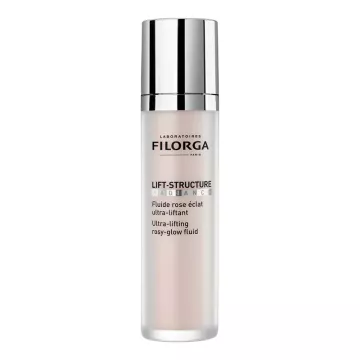
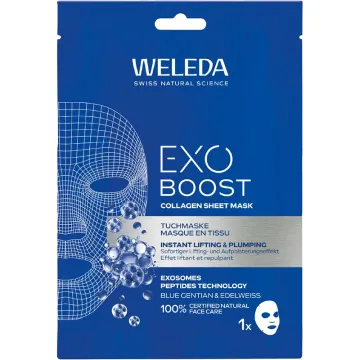
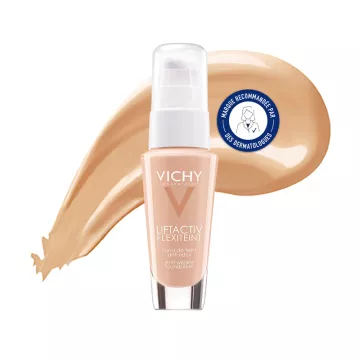
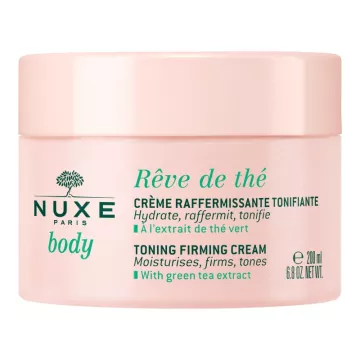
- Cosmetics: topical treatments (creams, serums, masks) that provide a visible lifting effect, often partly immediate (tightening) and partly gradual ( collagen stimulation, support for firmness).
- At-home devices: LED lights, low-level currents, and facial massagers, which complement cosmetic treatments.
- Aesthetic medicine: injections (botulinum toxin, hyaluronic acid), chemical peels, lasers, radiofrequency, HIFU, thread lifts, microneedling. More pronounced results; medical procedures.
- Cosmetic surgery: facelift (rhytidectomy), mini-facelift. Structural changes; indicated for significant sagging.
The term “lifting effect” is generally used in a cosmetic sense: a treatment that creates the visual impression of tighter skin, without actually involving a surgical facelift. Distinguishing between the two approaches helps avoid disappointment and allows you to choose the option that best meets your expectations.
How does a cosmetic “lifting effect” treatment work?
A cosmetic “lifting effect” treatment generally combines two types of action:
- Immediate tightening effect: film-forming agents (plant-based or synthetic polymers, tara gum, mica, magnesium aluminum silicate) that dry on the surface while contracting slightly, creating a sensation of smoother skin and an optical blurring effect on fine lines. This effect is reversible (it disappears upon the next cleansing).
- Progressive structural effect: active ingredients that support the quality of the dermis over several weeks to several months (retinol, peptides, vitamin C, Centella asiatica, hyaluronic acid).
The immediate effect is visible upon application; the structural effect builds with regular use. A good lifting skincare product combines these two aspects.
What are the alternatives to facelift surgery?
Several levels of treatment, from least to most invasive:
- Daily skincare: a structured anti-aging routine (gentle cleansing, serum, cream, sun protection) with active ingredients targeted at firming and toning.
- Treatments at a beauty salon: lymphatic drainage massages, body sculpting, and device-based treatments (LED, low-intensity radiofrequency, microcurrents).
- Non-surgical aesthetic medicine:
- Hyaluronic acid filler injections: restore volume and reduce deep lines. Results last 6–18 months depending on the area and product.
- Type A botulinum toxin injections: indicated for dynamic wrinkles (forehead, glabella, crow’s feet). Prescription-only medication. Effect lasts 3–6 months.
- Radiofrequency: gradual skin-tightening effect achieved by heating the dermis.
- HIFU (High-Intensity Focused Ultrasound): targets deep layers, providing a lifting effect without incisions. Multiple sessions required.
- Non-ablative or ablative fractionallasers: skin smoothing and collagen stimulation.
- Absorbable thread lifts: inserted under the skin for a temporary lifting effect (up to 12–18 months).
- Medium- to deep-layer chemical peels.
- Microneedling performed in a medical office.
- Cosmetic surgery: for significant structural changes, as recommended by a plastic surgeon.
Each option has its own indications, contraindications, costs, and potential side effects. A medical consultation helps determine the best course of action.
What are the benefits of a non-surgical facelift?
Non-surgical approaches offer several benefits:
- No incisions, no general anesthesia, and no prolonged time off work.
- Short recovery time: quick return to daily activities.
- Cost is often lower than surgery (though multiple sessions may be required).
- Limited surgical risks: no major infections, no surgical asymmetry, no visible scars.
- Reversibility for certain techniques (hyaluronic acid can be reversed with hyaluronidase).
- Gradual and natural improvement, with more subtle results.
- Can be combined with a routine skincare regimen.
- Accessible sooner: treatment can begin at the first signs of sagging, without waiting for a surgical indication.
Cosmetic treatments remain the most accessible option, with no major contraindications for most skin types. While they do not produce the same results as a medical procedure, they provide long-term support for skin health.
How long do the effects of a facelift last?
Estimated durations depending on the technique:
- Immediate cosmetic tightening effect: a few hours (until the skin is cleansed). Cumulative structural effect visible after several weeks to several months, to be maintained through a daily routine.
- Botulinum toxin injections: 3 to 6 months.
- Hyaluronic acid injections: 6 to 18 months, depending on the area and the product.
- Radiofrequency: 6 to 24 months depending on the device and treatment area; regular maintenance sessions are required.
- HIFU: 12 to 24 months, with possible maintenance sessions.
- Fractional lasers: Long-lasting effects lasting several months to years with touch-ups.
- Absorbable thread lifts: 12 to 18 months, sometimes longer.
- Surgical facelift: visible results last 5 to 10 years; aging resumes in the areas previously corrected by the facelift.
No technique stops aging: all results require maintenance to be sustained over time. A skincare routine remains the daily foundation common to all approaches.
Post-treatment care: what should you expect?
Depending on the type of procedure or treatment:
- After a at-homecosmetic treatment with a lifting effect: no special precautions are needed, aside from daily sun protection and consistent moisturizing.
- After an injection (botulinum toxin, hyaluronic acid): avoid intense exercise, saunas, and facial massages for 24 hours; do not lie down for the first 4 hours; use strict sun protection. Follow the practitioner’s instructions.
- After radiofrequency, HIFU, or microneedling: the skin may be red or sensitive for a few hours to a few days. Use soothing and moisturizing products, and apply SPF 50.
- After a medium or deep chemical peel: strictly follow the post-peel protocol (re-epithelialization takes 7 to 14 days; prolonged sun protection).
- After surgery: strict medical follow-up (pain management, head elevated to minimize swelling, no strenuous activity for several weeks, regular monitoring of healing).
Regardless of the procedure, quitting smoking is recommended: it impairs microcirculation and slows both healing and collagen quality.
Are anti-aging treatments and procedures safe?
Different levels of safety:
- Cosmetic treatments with a lifting effect: generally very well tolerated; risk limited to local reactions (irritation, allergy) in sensitive skin. Standard precautions: patch test on a small area; sun protection when using photosensitizing active ingredients (retinol, AHA).
- Aesthetic medicine: medical procedures requiring a trained practitioner. Risks are limited but present: bruising, temporary swelling, infection, granuloma, temporary ptosis (botulinum toxin), nodules, asymmetry. Choose a physician who is recognized as a specialist in the field.
- Cosmetic surgery: major procedures performed under general anesthesia, with standard surgical risks (infection, hematoma, asymmetry, scarring, anesthesia-related complications). Preoperative evaluation, qualified plastic surgeon, appropriate facility.
Be wary of non-medical practices (non-medical “beauty bars,” products purchased online and self-injected, at-home devices with exaggerated claims). Medical procedures are strictly reserved for physicians in France (Public Health Code, ANSM, French Medical Association).
How much does a facelift cost?
Approximate price ranges:
- Cosmetic treatments with a lifting effect: from a few euros to several dozen euros per product, suitable for any skincare routine.
- Treatments at beauty salons: session costs vary depending on the treatment protocol.
- Injections (botulinum toxin, hyaluronic acid): several hundred euros per session, depending on the treatment areas and quantities.
- Radiofrequency, HIFU: several hundred to several thousand euros, depending on the treatment protocols and number of sessions.
- Surgical facelift: several thousand euros, including anesthesia and clinic fees.
Cosmetic treatments remain the most affordable option. Medical procedures and surgery represent a more significant investment, which should be discussed during a consultation.
What is the difference between a full facelift and a mini-facelift?
From a surgical perspective:
- Full facelift (traditional rhytidectomy): surgery performed on the entire face and often the neck, recommended for significant sagging and deep wrinkles. Longer recovery period (swelling, bruising, recovery taking several weeks).
- Mini-facelift: a more targeted procedure (jawline, facial contour, midface), chosen by younger patients or those seeking a more modest correction. Shorter recovery time.
- Neck lift: Focuses on the neck.
- Forehead lift: focuses on the forehead and eyebrow area.
The choice depends on age, the type of sagging, the patient’s expectations, and the surgeon’s assessment. The preoperative consultation is crucial.
Can a facelift be combined with other procedures?
Yes, combinations are common to achieve complementary results:
- Cosmetic treatments + medical procedures: a daily skincare routine to complement occasional procedures.
- Botulinum toxin + hyaluronic acid: a classic combination in aesthetic medicine (dynamic wrinkles + filler).
- Surgical facelift + blepharoplasty (eyelid surgery): a comprehensive approach to rejuvenation.
- Chemical peels or lasers + facelift: to improve skin texture in addition to surgical tightening.
- Radiofrequency + microneedling: combined technologies (Morpheus8 and equivalents).
- Daily anti-aging skincare as an ongoing complement to any aesthetic procedure.
A consistent treatment plan is best established with a dermatologist or referring aesthetic physician who coordinates the procedures.
What are the criteria for achieving a lifting effect?
Depending on the approach considered:
- Cosmetic skincare: suitable for all skin types as soon as the first signs of sagging appear, to be tailored to skin type (dry, combination, oily, sensitive, mature).
- Non-surgical medical procedures: moderate to advanced signs of sagging, skin that is still elastic, satisfactory overall health, and no specific contraindications (pregnancy, healing disorders, active infections, immunosuppression, anticoagulant treatments for certain procedures).
- Surgical facelift: marked sagging, skin that still has some elasticity, good overall health, non-smoker (or having quit several weeks before and after the procedure), realistic expectations, stable psychological state. Preoperative evaluation by the plastic surgeon and the anesthesiologist.
For any medical or surgical procedure, a preliminary consultation is essential to assess eligibility.
How to prepare for a facelift procedure?
Steps depending on the desired outcome:
- Skincare routine: Start a consistent routine well in advance (gentle cleansing, targeted serums, creams, daily SPF 30–50 sun protection), quit smoking, stay hydrated, get enough sleep, and eat a balanced diet.
- Cosmetic medical procedures: preliminary consultation, “before” photos, medical evaluation, discontinuation of certain medications if necessary (as advised by a doctor), quitting smoking several weeks before and after the procedure, and optimal skin care.
- Cosmetic surgery: comprehensive preoperative evaluation (blood tests, cardiac assessment), anesthesia consultation, strict smoking cessation (at least 4–6 weeks before and after), discontinuation of certain medications as advised by a doctor (anticoagulants, aspirin), practical arrangements for the recovery period (transportation, presence of a loved one, home preparation), request for a detailed estimate, and a cooling-off period (at least 15 days in France).
What innovations are there in the field of facelifts?
Several recent developments are shaping the field:
- HIFU (high-intensity focused ultrasound): a lifting effect without incisions, targeting deep layers.
- Radiofrequency microneedling (Morpheus8 and equivalents): a combination of micro-perforations and dermal heating.
- New-generationabsorbable thread lifts (PDO, polylactic acid).
- Platelet-rich plasma (PRP): self-injection of growth factors.
- Exosomes via topical application or injection: recent active ingredients; regulatory framework varies by country and should be verified.
- Cosmetics containing new, more targeted signalingpeptides.
- Hyaluronic acidskin boosters: deep hydration injections.
- At-home devices using LED, microcurrents, and gentle ultrasound, as a complement to a skincare routine.
- A holistic approach incorporating nutrition (nutricosmetics), stress management, sleep, and topical skincare.
Be wary of “miracle” claims and devices or injections offered outside of a medical setting. For more invasive procedures, choose recognized and trained practitioners and facilities regulated by French law.