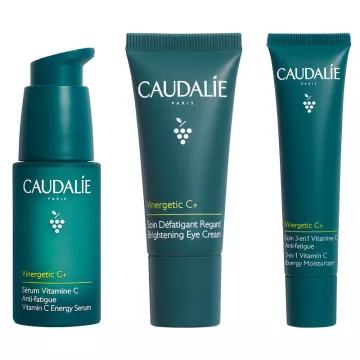
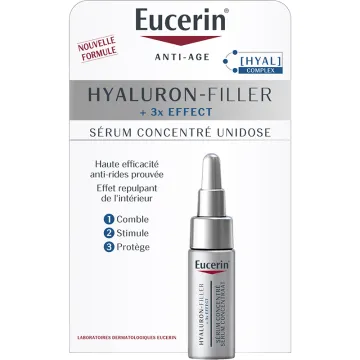
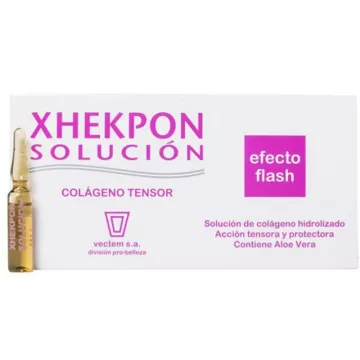
What is a firming treatment?
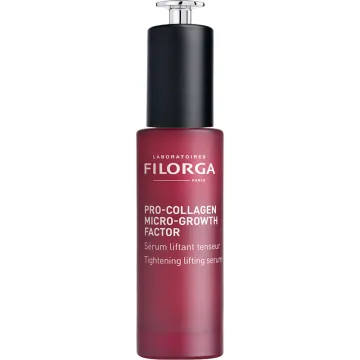
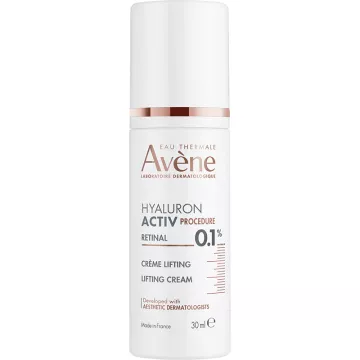
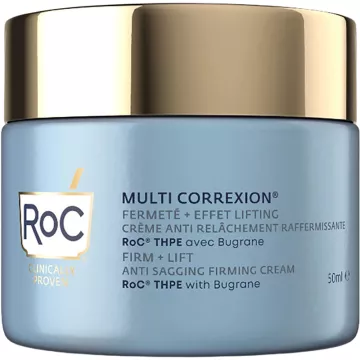
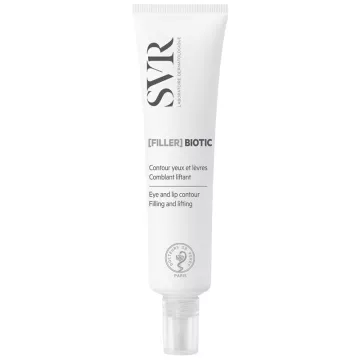
A lifting treatment is a cosmetic product formulated to support the skin’s visible firmness and tone. Features:
- Targeted action on signs of sagging skin: facial contours, neck, eyelids, and jawline
- Concentrated active ingredients with a cosmetic tightening effect and support for skin functions
- Various formats: cream, serum, mask, spot treatment, ampoule
- Immediate optical effect with certain formulations (peptides, caffeine, firming polymers)
- Longer-term effects with cosmetic anti-aging active ingredients
- Use as a treatment course or as part of an extended skincare routine
- A cosmetic approach distinct from medical procedures (surgical facelifts, injections, radiofrequency)
For mature skin and sagging skin in general, these products are part of a comprehensive skincare routine. Our anti-aging section at the pharmacy offers suitable products.
How does a lifting treatment work?
Several cosmetic mechanisms work together depending on the formulation:
- Intense hydration that restores skin comfort and suppleness
- Optical plumping effect thanks to hyaluronic acid of varying molecular weights
- Support for firmness through signaling peptides
- Cell renewal promoted by cosmetic retinol or AHAs
- Antioxidant protection against free radicals
- Immediate tightening effect from certain polymers or blurring minerals
- Microcirculation supported by caffeine or certain plant extracts
- Restoration of the skin barrier through ceramides and squalane
The combination of complementary active ingredients in a balanced formula is often more effective than a single concentrated active ingredient. Results are gradual and require regular use over several weeks to several months.
What benefits can you expect?
Regular use provides several visible benefits:
- Reduction of fine lines caused by dehydration
- Gradual improvement in superficial wrinkles
- Visibleimprovement in firmness
- Deep,intensive hydration
- Improved radiance andluminosity of the complexion
- Smoothing of skin texture
- Instanthealthy glow with certain formulas
- Antioxidant protection against environmental stressors
- Prepares the skin for other steps in your skincare routine
- Increased dailyskin comfort
Results are gradual and more modest than those of a surgical facelift or in-office cosmetic procedures. No cosmetic product delivers dramatic results in just a few days.
Who are they for?
Lifting treatments are suitable for several groups:
- Ages 30–35 and up, to prevent the first signs of sagging
- Starting at age 40 as part of a daily maintenance routine
- During perimenopause and menopause to support hormonal changes (consult your primary care physician or gynecologist for medical follow-up)
- Skin showing a loss of firmness around the face, neck, and décolletage
- After weight loss that has caused skin sagging
- Skin that is tired from stress or lack of sleep
- As a complement to cosmetic procedures to maintain results
- All skin types, provided a formulation suitable for your skin type is chosen
A consultation with a pharmacist can help identify the formula best suited to your needs. For established loss of firmness, a combined approach may be considered.
What types of lifting treatments are available?
There are several categories:
- At-home skincare products: creams, serums, masks, and ampoules available at pharmacies or drugstores
- Salon treatments: aesthetic procedures performed by trained professionals (massages, masks, cosmetic technologies)
- Procedures performed in a doctor’s office: radiofrequency, high-intensity focused ultrasound (HIFU), microneedling with radiofrequency (performed by a dermatologist or aesthetic physician)
- Injectables: botulinum toxin, hyaluronic acid, progressive stimulants (prescription-only medical procedures)
- Absorbable thread lifts: gentle tissue lifting (medical procedure)
- Surgical facelift: for significant sagging (plastic surgery)
The term “lifting treatment” is primarily used for topical cosmetic treatments, which are distinct from medical procedures. Cosmetic treatments provide daily support but do not replicate the results of a medical or surgical procedure.
How often should they be used?
Frequency depends on the product format:
- Day or night cream: once a day, in the morning or evening, depending on the formulation
- Daily serum: morning and/or evening, as a 1- to 3-month treatment
- Lifting mask: 1 to 2 times a week, as needed
- Ampoule or flash treatment: as needed before an event
- Targeted treatment for specific areas (neck, jawline): as directed on the product
- Cosmetic retinol: introduce gradually 2–3 evenings a week, increasing frequency as tolerated
- Salon treatments: 4 to 8 sessions as a course of treatment, followed by maintenance every 1 to 3 months depending on the protocols
- Medical procedures: as per the protocol defined by the practitioner (radiofrequency, HIFU)
It’s essentialto listen to your skin: if you notice signs of irritation, space out applications. Consistency of use takes precedence over occasional intensity.
What side effects should you watch for?
Lifting treatments are generally well tolerated, but certain effects may occur:
- Initialtingling or a sensation of warmth (usually temporary)
- Temporaryredness
- Dryness and tightness
- Superficial peeling
- Increased sensitivity to the sun when using photosensitizing active ingredients (retinol, AHA, BHA)
- Allergic reactions to preservatives, fragrances, or active ingredients
- Persistentitching and tightness
- Paradoxicalbreakouts (transient purging with retinoids)
- Contact eczema in rare cases
What to do: Perform a 48-hour patch test on the inner elbow before first use; discontinue use if a severe reaction occurs; apply a soothing treatment containingaloe vera or chamomile; space out applications. If symptoms persist, consult a pharmacist or dermatologist.
How to choose the right product?
Several criteria guide the selection:
- Skin type: dry (rich textures), combination (lightweight textures), oily (light, non-comedogenic gels), sensitive (fragrance-free, hypoallergenic)
- Age and stage of skin aging
- Area to be treated: face, neck, décolletage, eye area
- Presence of clinically proven active ingredients at effective concentrations
- Key concerns: fine lines, firmness, radiance, hydration
- Individual tolerance to concentrated active ingredients
- Hormonal context: pregnancy, breastfeeding, menopause
- Compatibility with other products in the skincare routine
- Pleasant texture to encourage daily use
- Consult a pharmacist if in doubt
Reading labels (INCI) and consulting a licensed pharmacist if you have sensitive skin are your best resources. If possible, ask for dermo-cosmetic products formulated in a pharmacy.
What key active ingredients should you look for?
Several ingredients are recognized for their effectiveness:
- Hyaluronic acid: a major moisturizer with an immediate plumping and optical firming effect
- Peptides: support skin firmness and suppleness through their signaling action
- Cosmetic retinol: promotes cell renewal (use only at night; photosensitizing; contraindicated during pregnancy and breastfeeding)
- Vitamin C: an antioxidant that contributes to the visible quality of skin function
- Vitamin E: synergistic antioxidant
- Niacinamide: improves the visible quality of the skin, soothes
- Coenzyme Q10: targeted antioxidant
- Resveratrol: powerful plant-based antioxidant
- DMAE: gradual cosmetic firming effect
- Ceramides and squalane: restore the skin barrier
- AHAs (glycolic acid, lactic acid): gentle chemical exfoliants that support skin renewal (photosensitizing)
- Caffeine: visible localized firming effect
- Targeted plant extracts: Centella asiatica, edelweiss, hibiscus
Combining several active ingredients in a balanced formula often yields the best results.
Lifting skincare and pregnancy: precautions?
Use during pregnancy and breastfeeding requires strict precautions:
Strictly contraindicated:
- Oral and topical retinoids (tretinoin, adapalene): teratogenic
- Highly concentratedcosmetic retinol
- Hydroquinone
- Medium- to deep-depthchemical peels
- Salicylic acid at therapeutic concentrations
- Injectable botulinum toxin
- Injectable hyaluronic acid fillers (as a precaution)
- Lasers, IPL, HIFU, radiofrequency
- Essential oils in most cases
Generally well-tolerated (medical advice recommended):
- Topical hyaluronic acid
- Topical vitamin C in standard cosmetic formulations
- Niacinamide in moderate concentrations
- Azelaic acid: considered one of the safest
- Mild plant-based antioxidants
- Purealoe vera gel
- Centella asiatica at a cosmetic concentration
- Peptides at a cosmetic concentration
- Ceramides and squalane
Always consult your primary care physician, gynecologist, or pharmacist before using a new skincare product while pregnant or breastfeeding.
Can these products be combined with other treatments?
Combinations are possible with caution:
Good cosmetic combinations:
- Hyaluronic acid + vitamin C: hydration and antioxidant protection
- Peptides + hyaluronic acid: firming and hydration
- Niacinamide + hyaluronic acid: soothing and hydration
- Lifting serum + a suitable moisturizer as part of your routine
- Alternate betweenan antioxidant morning treatment and a cosmetic retinol evening treatment
- Gentle weekly exfoliation + daily routine to optimize absorption
Combinations to avoid:
- Simultaneous use of retinol + AHAs + concentrated vitamin C: increased risk of irritation
- Multiple photosensitizing active ingredients without rigorous sun protection
- Cosmetic treatments immediately after a medium or deep chemical peel
- Combining multiple medical aesthetic procedures in a single session without specialized consultation
For combinations involving medical procedures (radiofrequency, HIFU, injections), always consult with your practitioner. For loss of elasticity and density, a comprehensive approach combining topical treatments, lifestyle changes, and, if necessary, aesthetic procedures yields the best long-term results. Your pharmacist remains a valuable resource for tailoring your strategy to your evolving needs.