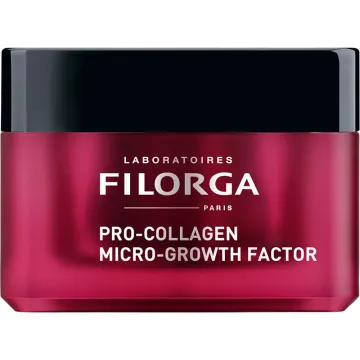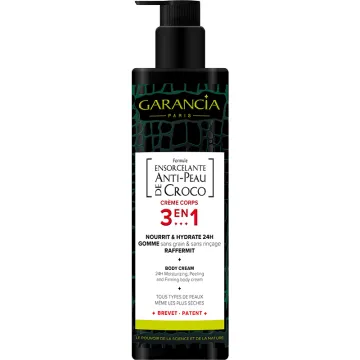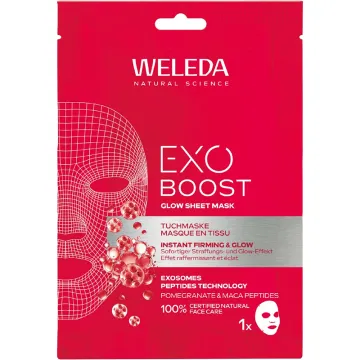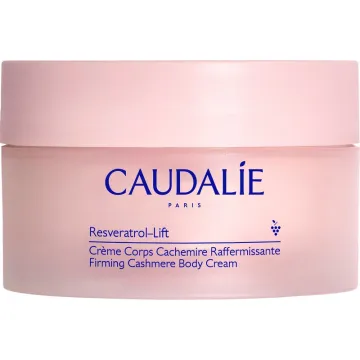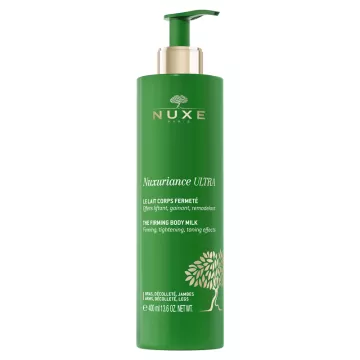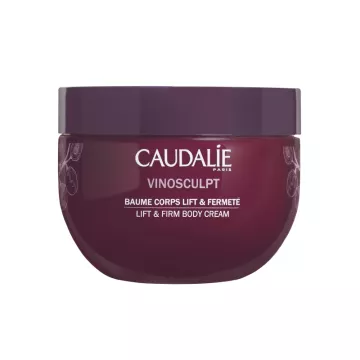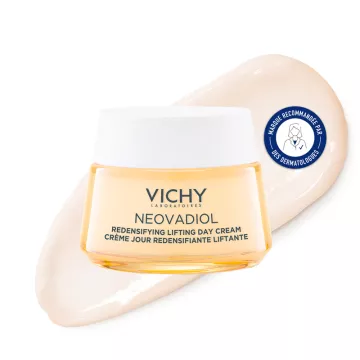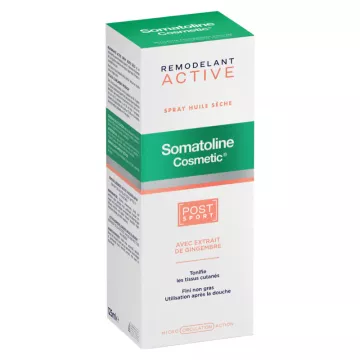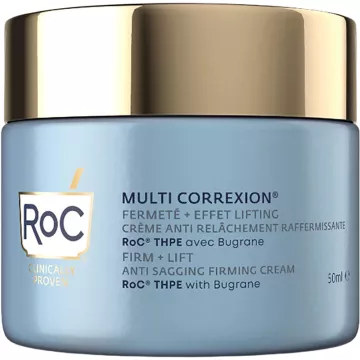
Loss of skin firmness is a gradual and inevitable process linked to the decline in collagen and elastin production. This decline begins as early as ages 25–30 at a rate of 1% collagen loss per year, accelerating significantly after age 40 and during menopause (a 30% increase in the first year). The most visible areas are the face (cheeks and jawline), the décolletage, the inner arms, and the thighs. The most well-documented aggravating factors are: chronic sun exposure without protection (the main trigger for collagenases), smoking (capillary vasoconstriction, production of free radicals), rapid weight loss (skin laxity without reorganization of the fibrous septa), and chronic stress (cortisol breaks down dermal collagen).
Certain vitamins play a direct role in collagen synthesis and protection:
Exfoliation is an underrated tool in the fight against loss of firmness. By removing dead corneocytes that thicken the epidermis, it:
Glycolic and lactic acids are the most effective chemical exfoliants for firmness: they also stimulate the synthesis of type I collagen beyond their simple exfoliating action. A gentle exfoliation 1 to 2 times a week is sufficient for sensitive skin.
Cortisol (the chronic stress hormone) is a direct antagonist of collagen synthesis: it activates matrix metalloproteinases (MMPs), which break down existing fibers, and simultaneously inhibits fibroblasts. This dual action—more destruction, less production—explains why chronic stress ages the skin faster than genetics alone. Smoking exacerbates this mechanism by reducing skin blood flow (less oxygen and nutrients for fibroblasts) and by generating additional free radicals. Alcohol, by causing chronic dehydration, reduces the skin’s hydration—which is essential for the flexibility of collagen fibers.
An effective anti-sagging regimen combines multiple levels of action: