What is a sore throat, and what causes it?
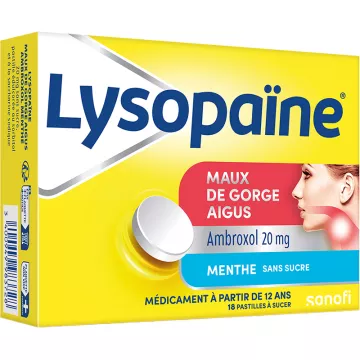
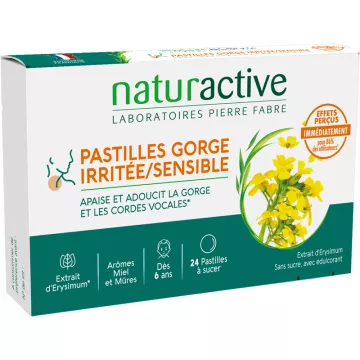
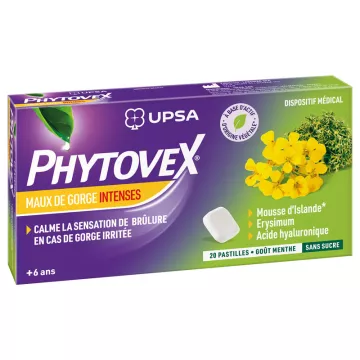
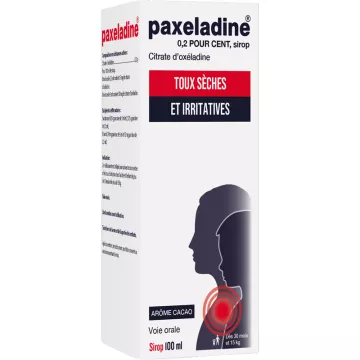
A sore throat is characterized by a burning, tingling, or scratchy sensation in the pharynx and larynx, often made worse by swallowing. It can be acute (a temporary viral infection) or chronic (caused by persistent irritants). Throat care products are available in the sore throat and throat soother sections of the store.
- Viral infections: the most common cause—common cold (rhinovirus), flu (influenza)—irritation, mild sore throat, associated runny nose—spontaneous resolution in 7 to 10 days—see sore throats
- Bacterial pharyngitis: Group A streptococcus—high fever > 38.5 °C, whitish deposits on the tonsils, cervical lymph nodes, no cough — rapid diagnostic test (RDT) indicated — antibiotic therapy if RDT is positive (penicillin) — different from a simple viral sore throat
- Non-infectious irritants: dry air (humidity < 40%) — tobacco smoke (directly irritates the laryngopharyngeal mucosa) — air pollution (NO₂, VOCs) — gastroesophageal reflux (nocturnal acid reflux — sore throat in the morning, no cough or fever) — heavy voice use — sudden changes in temperature
- Allergies: postnasal drip (nasal mucus draining down the pharyngeal wall) — chronic irritation without infection — seeallergy treatment
What natural remedies can soothe a sore throat?
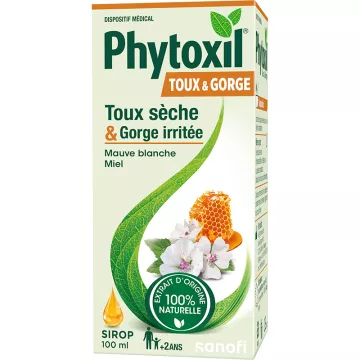
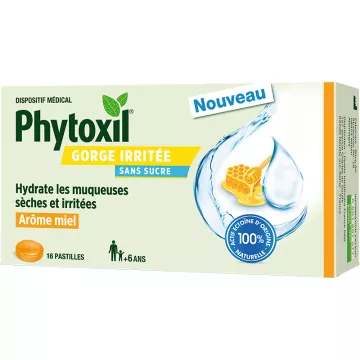
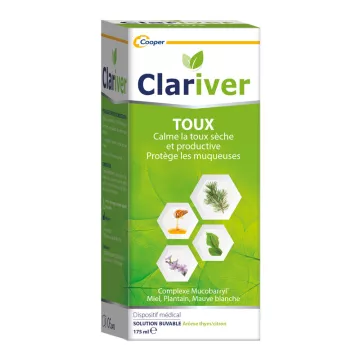
- Honey: forms an emollient film on the pharyngeal mucosa, antibacterial (defensins-1) — one teaspoon straight or in warm herbal tea 2 to 3 times a day — effective for a dry, irritated throat and associated cough — contraindicated for infants under 1 year of age
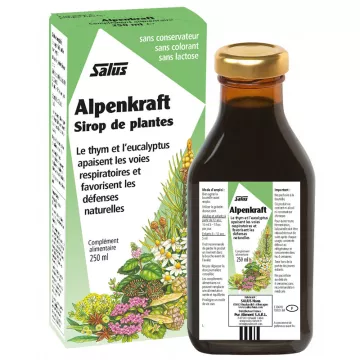
- Thyme: thymol, which is antiseptic and anti-inflammatory — as an infusion, 3 cups a day, or as a warm gargle — the EMA recognizes its well-established traditional use for throat irritation — documented relief
- Chamomile: apigenin and bisabolol, mild anti-inflammatories—as a tea or warm gargle—relief from mild irritation—conduct a tolerance test beforehand (possible cross-allergy with Asteraceae)
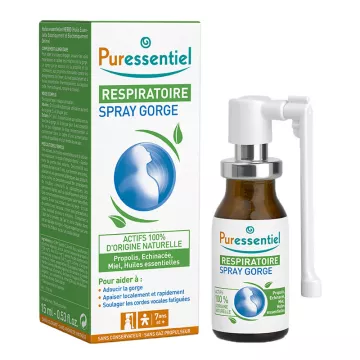
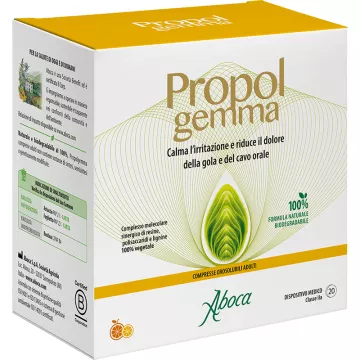
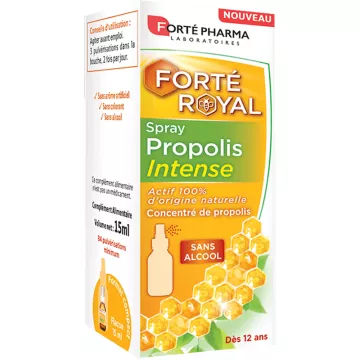
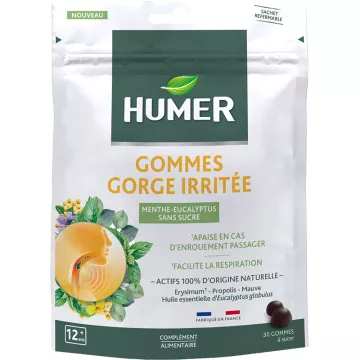
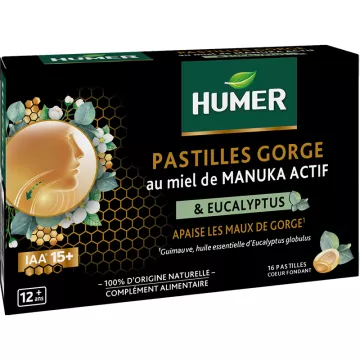
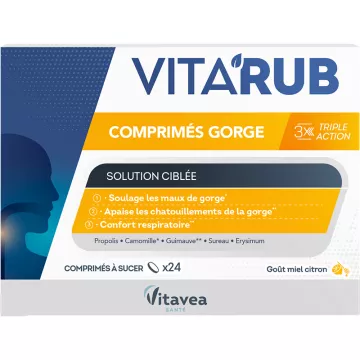
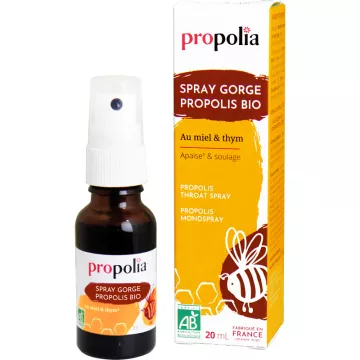
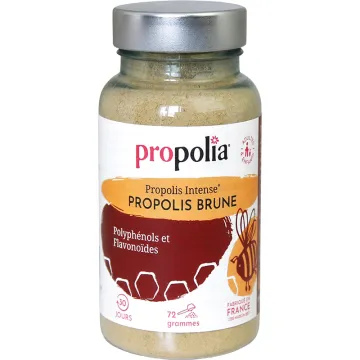
- Propolis: oral spray or lozenges—forms a protective antibacterial and anti-inflammatory film on the mucous membrane—allergy to bee products: contraindicated
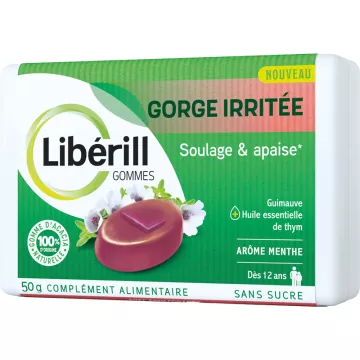
- Licorice: glycyrrhizin — emollient and anti-inflammatory for the mucous membranes (EMA) — as a herbal tea or lozenges — contraindicated in cases of high blood pressure, pregnancy, and use for more than 4 weeks
- Saltwater gargles: lukewarm water + 1/2 teaspoon of salt — reduces pharyngeal swelling through an osmotic effect — 2 to 3 times a day — do not swallow
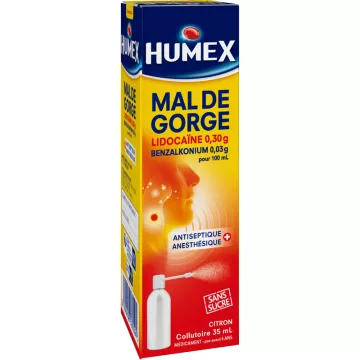
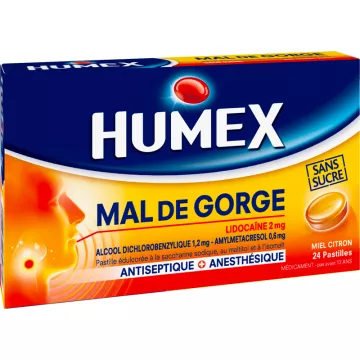
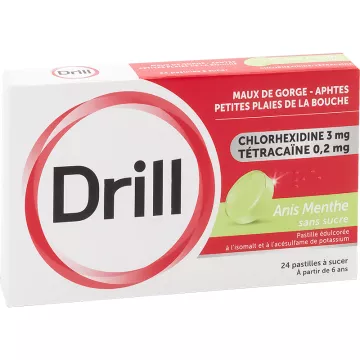
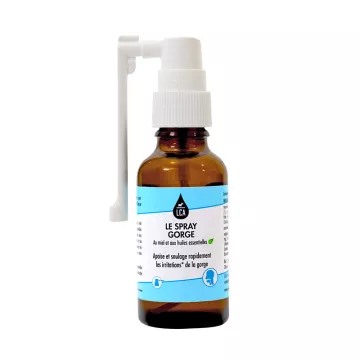
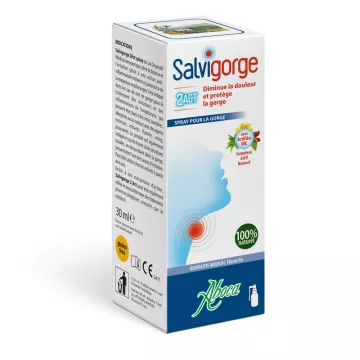
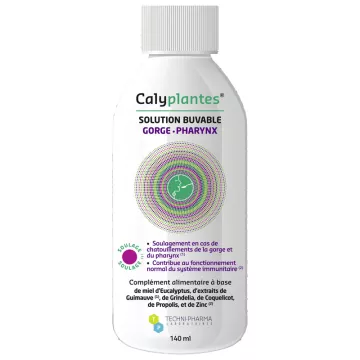
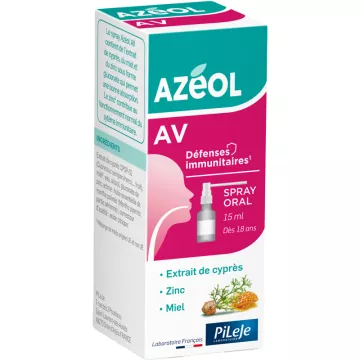
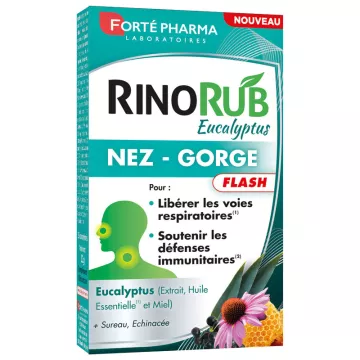
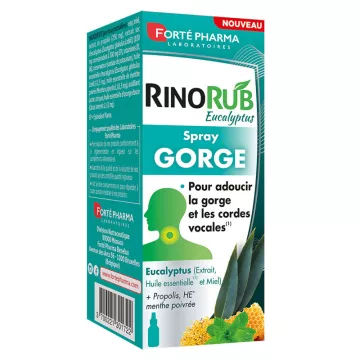
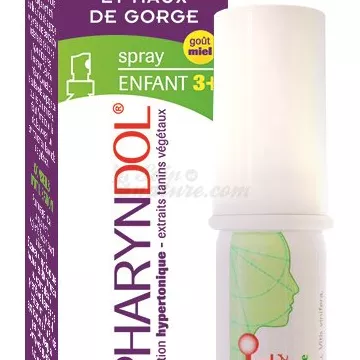
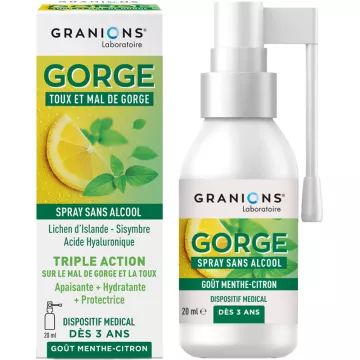
- See also throat spray (propolis, chlorhexidine, lidocaine, depending on the formula) for rapid, targeted relief
How to prevent a sore throat and when to seek medical attention?
- Daily prevention: hydration—1.5 to 2 L of lukewarm fluids per day—use a room humidifier (40–60% humidity) in winter—quit smoking (Tobacco Info Service: 3989) — Wash your hands regularly — Breathe through your nose (the air is humidified before reaching the pharynx)
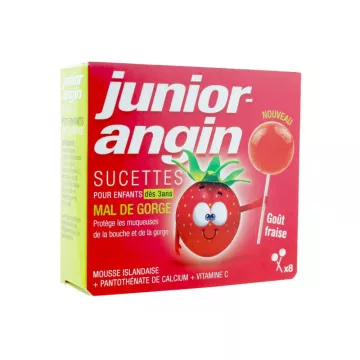
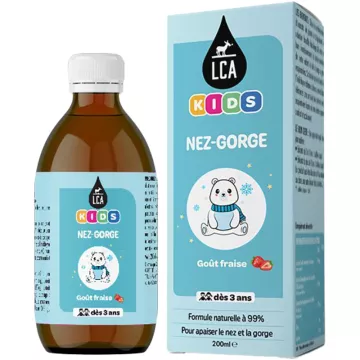
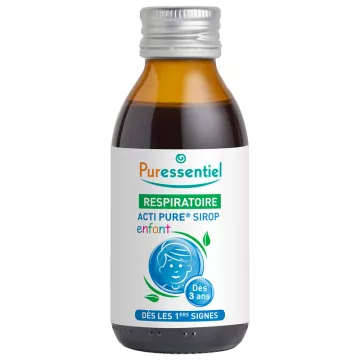
- For children: honey (from age 1 onward), plenty of fluids, rest — see a pediatrician if fever > 38.5 °C, difficulty swallowing, or persistent symptoms — certain adult medications (ibuprofen at adult doses, alcohol-based gargles) are unsuitable
- See a doctor if: fever > 38.5 °C — whitish deposits on the tonsils — painful cervical lymph nodes — difficulty swallowing or breathing — symptoms persisting for more than 7 days despite treatment — hoarseness persisting for more than 3 weeks (see treatment for laryngitis)