Split ends occur when the tips of the hair split into two or more strands. This phenomenon mainly affects long or damaged hair, whose tips—being the oldest part of the hair—have been subjected to the most damage. Physically, a split end results from damage to the cuticle—the hair’s protective outer layer—which eventually breaks down and exposes the cortex, the inner layer, causing it to split. One key point to understand right away: once the hair shaft is split, the process is irreversible —no product can permanently “repair” a split end. The only permanent solution is to cut it off. The real challenge, therefore, lies in prevention. Understanding this mechanism helps you adopt the right habits as part of a protective hair care routine, rather than hoping for an illusory fix.
Several factors contribute to or worsen split ends:
These factors often occur together. Dry and damaged hair, which is more vulnerable, is the first to show split ends.
Certain signs indicate a weakened hair shaft, which is more prone to split ends. Dry, brittle, or dull hair that lacks luster is generally at higher risk. If your hair tangles easily, snags on a comb, or has small white balls at the ends (a sign of a damaged cuticle), it means the hair shaft is damaged and ready to split. A close examination of the ends, held up to the light, helps spot emerging split ends: you’ll see ends that are split or tree-like in shape. Regular checks help you take early action with a targeted trim before the split ends travel up the shaft. Fragile hair and older lengths require extra attention. Recognizing these signs allows you to adjust your routine and space out or schedule haircuts more frequently based on the actual condition of your hair, rather than waiting for the problem to worsen.
Since prevention is the only real defense against split ends, there are a few habits you should adopt. Apply a heat protectant before using any heat styling tools, and limit their use. Moisturize regularly with nourishing masks and oils; supple hair is more resistant to breakage. Space out harsh chemical treatments and opt for gentler alternatives. Get a trim regularly—every three to four months—to remove existing split ends before they travel up the shaft and cause new ones. Also protect your hair from external aggressors (UV rays, salt, chlorine) and detangle gently with a wide-tooth comb. At night, a silk pillowcase reduces friction. These habits, when practiced consistently, significantly limit the appearance of split ends: it’s better to prevent damage to healthy hair than to try to hide already damaged ends.
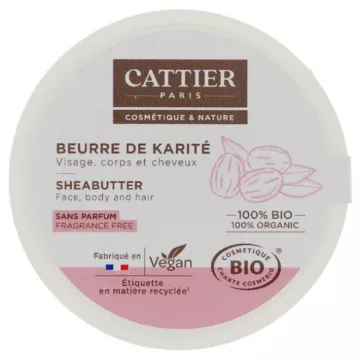
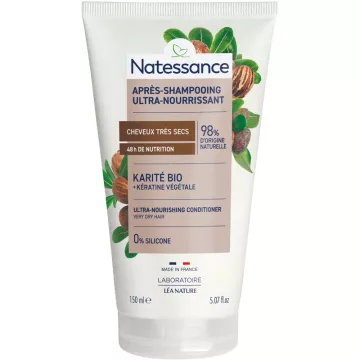
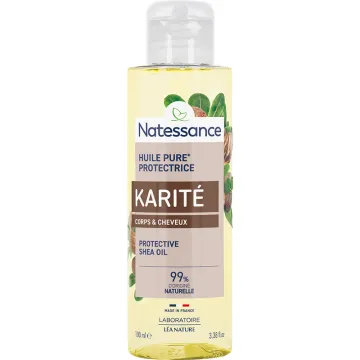
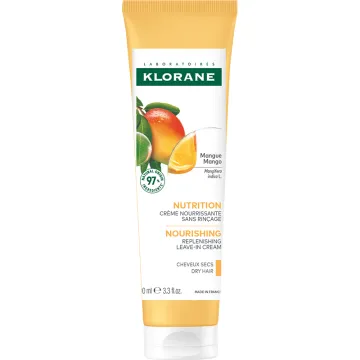
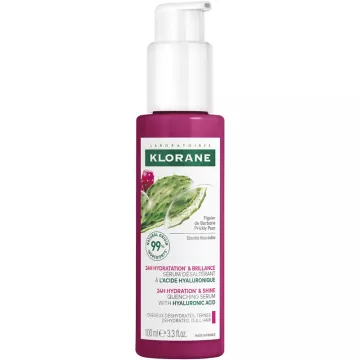
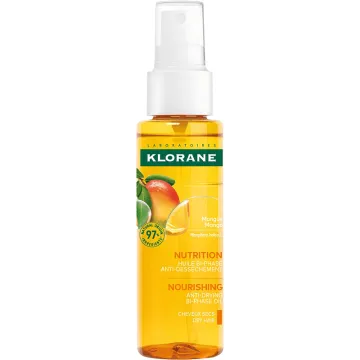
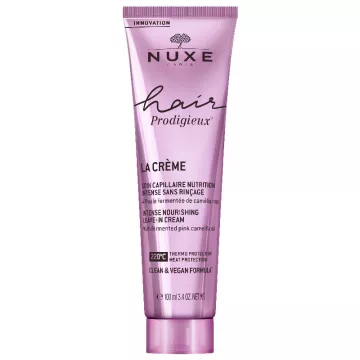
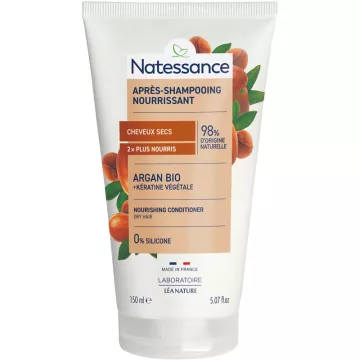
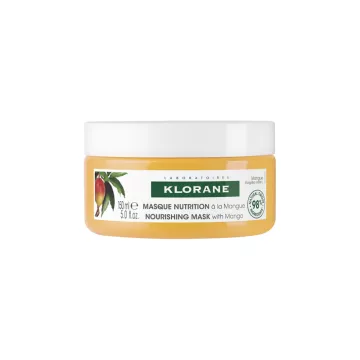
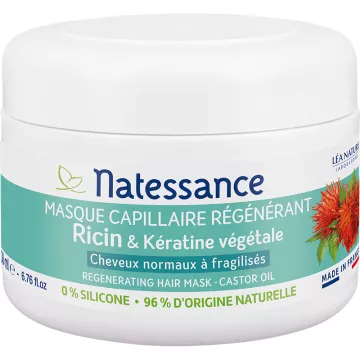
Several products help improve the appearance of split ends, though they don’t actually repair the split:
These treatments work on the surface: they conceal split ends and prevent them from getting worse, but they do not permanently fuse a split strand. A haircut remains essential to truly eliminate split ends.
Yes, excessive or aggressive brushing damages the hair’s structure and promotes split ends. Repeated friction wears down the cuticle, especially if you pull on knots or brush too often. To minimize damage, brush gently using a natural-bristle brush or a suitable detangling comb, and start by detangling the ends before working your way up toward the roots. Above all, avoid vigorous brushing of wet hair: when saturated with water, it is more elastic and fragile, and therefore more prone to breaking and splitting. For damp hair, opt for a wide-tooth comb, especially when the hair is coated with conditioner. The right technique makes all the difference: patient, gentle detangling preserves the integrity of the hair strands, whereas rough brushing—even with a good product—eventually weakens the hair fiber and leads to more split ends over time.
Diet influences the resilience of the hair shaft. A deficiency in essential nutrients can make hair drier and more brittle, and therefore more prone to split ends. To support hair health from the inside out, prioritize a diet rich in vitamins A, C, and E; minerals such as iron, zinc, and selenium; and omega-3s. Zinc and selenium help maintain healthy hair. These nutrients support scalp health and hair shaft quality, making the hair better able to withstand damage. A balanced and varied diet generally meets these needs; supplements are only necessary in cases of proven deficiency. Your diet won’t “repair” existing split ends, but good nutrition helps produce healthier, more resilient hair shafts from the root, which, over time, limits their occurrence.
Professional treatments can significantly improve the appearance of damaged hair, though they cannot “repair” a split end that has already formed. So-called “bond-rebuilding” treatments, which act on the internal bonds of the hair fiber, or deep-conditioning treatments, restore suppleness, strength, and shine, and help prevent future breakage. They penetrate the hair shaft to strengthen it and improve its overall condition. One important caveat, however: while these treatments work on the entire hair fiber and its integrity, a split end that has already formed cannot be permanently repaired—only cutting it off will remove it. Regarding keratin-based straightening treatments at the salon, be cautious: some straightening treatments may release formaldehyde (a regulated substance), so it’s best to check the ingredients. A professional hairstylist can recommend the most suitable treatment to improve the condition of split ends, in addition to regular trims, which remain the foundation of a healthy hair routine.