Collagen synthesis refers to the set of processes through which the body produces this structural protein—the most abundant protein in the human body. It naturally declines starting at age 25–30 and can be supported through targeted nutritional, cosmetic, and supplemental strategies. For detailed biochemical mechanisms and factors contributing to collagen breakdown, see our page on collagen formation and our collagen product line.
What are the signs of a collagen deficiency?
The decline in collagen synthesis manifests gradually through various signs affecting the skin, joints, and blood vessels.
- Skin: loss of firmness and elasticity, more pronounced wrinkles, dull complexion—the first visible signs appear as early as ages 30–35
- Joints: progressive joint discomfort, morning stiffness, decreased mobility—cartilage becomes depleted of type II collagen
- Hair and nails: brittleness, breakage, slowed growth—keratin lacks the sulfur-containing amino acids found in collagen (cysteine)
- Slower wound healing: the skin takes longer to regenerate after an injury
- Blood vessels: less elastic walls—they are structured by type III collagen
Which foods support collagen synthesis?
Diet provides the precursors and cofactors essential for collagen biosynthesis.
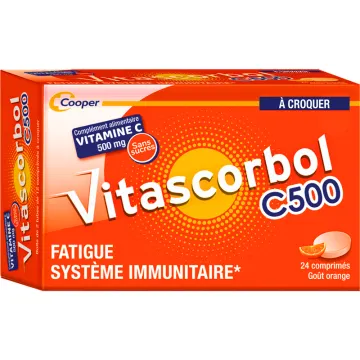
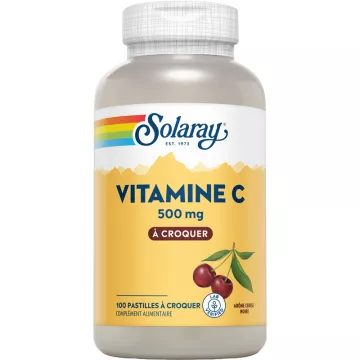
- Vitamin C: citrus fruits, kiwi, bell peppers, strawberries—an essential cofactor for prolyl hydroxylase (EFSA claim)—without it, collagen cannot be hydroxylated
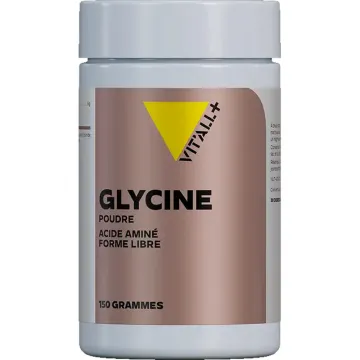
- Glycine and proline: bone broth, meat, fish, eggs—amino acids that make up the collagen triple helix
- Zinc: oysters, pumpkin seeds, red meat — a cofactor for regulatory metalloproteases
- Copper: nuts, organ meats, sunflower seeds — a cofactor for lysyl oxidase (fiber cross-linking)
- Selenium: Brazil nuts, fish — protects fibroblasts from oxidative stress
How can you naturally stimulate collagen synthesis?
There are several practical ways to support the body’s natural collagen production on a daily basis.
- Dailyvitamin C (at least 80–200 mg/day): the most accessible and best-documented method
- Hydrolyzed marine collagen peptides: taken up by fibroblasts, which increase their endogenous synthesis in response
- Sunscreen with appropriate SPF: UV rays activate metalloproteinases (MMPs), which break down dermal collagen
- Moderate physical activity: improves skin microcirculation and stimulates fibroblasts
- Quitting smoking: Each cigarette generates free radicals that inhibit prolyl hydroxylase
- Topical treatments with signaling peptides and retinol: directly stimulate dermal fibroblasts—see our anti-aging serums
Vegetarian or vegan collagen: does it exist?
Collagen is a protein found exclusively in animals—no plant synthesizes it. Plant-based alternatives work by stimulating the body’s own collagen production.
- "Vegan collagen booster" formulas provide key cofactors: vitamin C, zinc, manganese, and organic silicon
- Precursor amino acids (glycine, proline, lysine) can be obtained from complete plant proteins (peas + rice)
- These formulas stimulate the body’s own collagen production—without directly supplying exogenous collagen
- For vegans seeking a direct source of peptides, marine collagen from certified fish is the only “natural” non-bovine alternative
Supplements and treatments: how effective are they in promoting synthesis?
Supplements and treatments targeting collagen synthesis have varying levels of evidence.
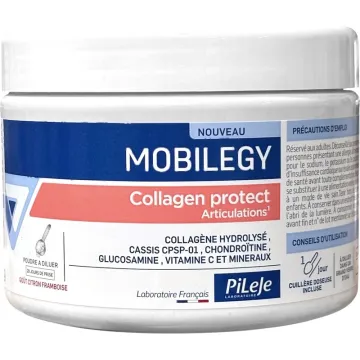
- Hydrolyzed collagen peptides: strong clinical evidence for skin (firmness, hydration) and cartilage after 8–12 weeks—5 to 10 g/day with vitamin C
- Vitamin C: highest level of evidence (EFSA)—an irreplaceable cofactor
- Oralhyaluronic acid: supports hydration of the dermal matrix, complementary to collagen
- MSM: provides bioavailable sulfur for collagen disulfide bonds
- Dermatological aesthetic treatments (laser, microdermabrasion): stimulate the fibroblastic response—must be performed by a professional
Precautions for collagen supplementation?
Supplementation is safe for the vast majority of adults—but there are a few precautions to be aware of.
- Allergy to fish (marine collagen) or bovine proteins: choose the appropriate source
- Possible digestive issues at high doses (>15 g/day)—start gradually
- Pregnancy and breastfeeding: medical advice recommended
- Do not exceed 2 g/day of vitamin C — risk of digestive issues (osmotic diarrhea)