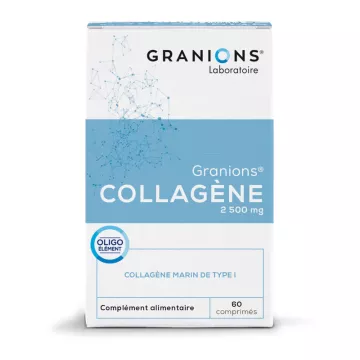
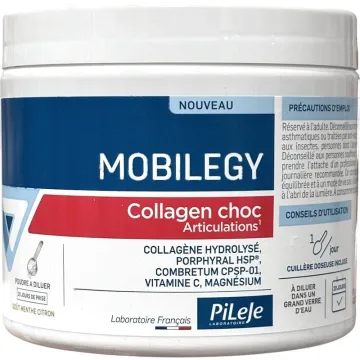
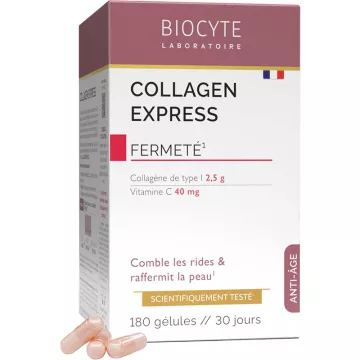
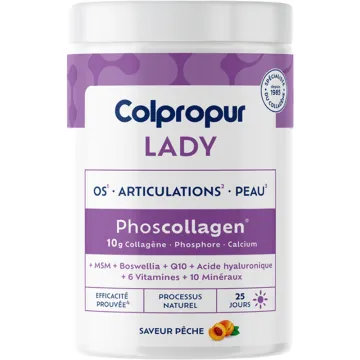
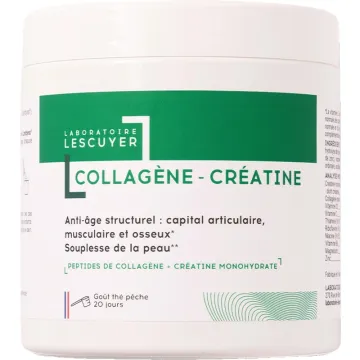
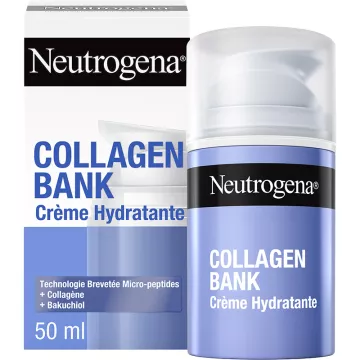
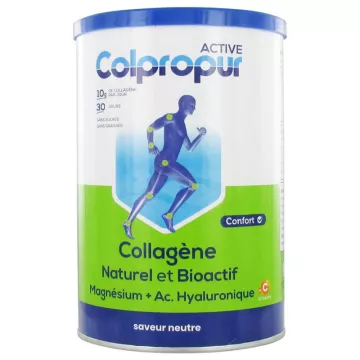
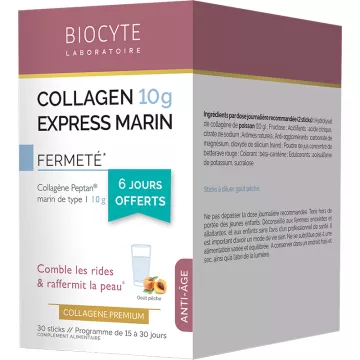
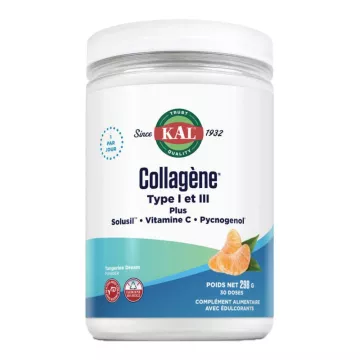
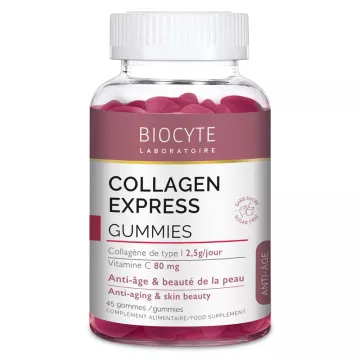
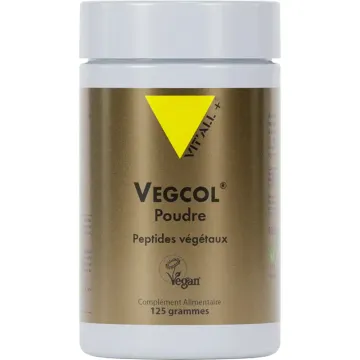
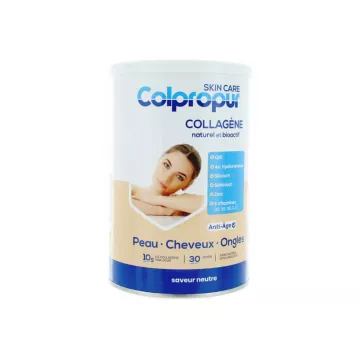
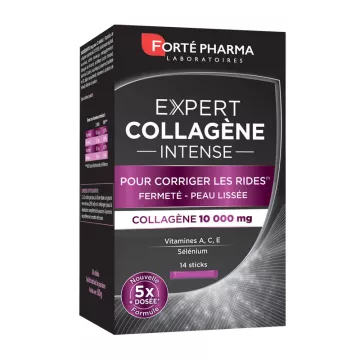
Collagen formation is a complex enzymatic process that depends on specific nutritional cofactors. Unlike exogenous collagen peptide supplements, approaches aimed at stimulating endogenous synthesis act on fibroblasts, chondrocytes, and osteoblasts to boost the natural production of this structural protein. Explore our collagen and marine collagen product line.
How is collagen synthesized?
Collagen biosynthesis follows a precise enzymatic cascade involving several intracellular and extracellular steps.
- Synthesis of pro-alpha chains from the amino acids glycine, proline, and hydroxyproline by fibroblasts (skin), chondrocytes (cartilage), and osteoblasts (bone)
- Hydroxylation of proline and lysine: a key step dependent on vitamin C (ascorbate)—a deficiency irreversibly blocks this step
- Formation of the triple helix (procollagen) in the endoplasmic reticulum
- Glycosylation and export to the extracellular matrix
- Assembly into fibrils and final cross-linking—a copper-dependent step (lysyl oxidase)
Which cofactors are essential for collagen synthesis?
Collagen production cannot occur without an adequate supply of micronutrient cofactors.
- Vitamin C: a cofactor for prolyl hydroxylase and lysyl hydroxylase—contributes to the normal formation of collagen for the skin, bones, and cartilage (EFSA claim)
- Zinc: a cofactor for metalloproteinases and a regulator of collagen gene expression
- Manganese: a cofactor for prolidase, an enzyme involved in the recycling of collagen amino acids
- Copper: a cofactor for lysyl oxidase, an enzyme involved in the cross-linking of collagen fibrils — essential for fiber strength
- Organic silicon: involved in connective tissue formation and fiber elasticity
What factors break down collagen?
Collagen degradation is accelerated by several preventable factors.
- UV rays: activate matrix metalloproteinases (MMPs), which break down dermal collagen fibers—the primary cause of photoaging
- Smoking: generates free radicals that oxidize the fibers and reduces the skin’s microcirculation that nourishes fibroblasts
- Chronic oxidative stress: ROS inhibit prolyl hydroxylase and directly degrade the fibers—see our line of natural antioxidants
- Hormonal deficiency: The drop in estrogen levels during menopause reduces collagen gene expression by 30% over 5 years
- Glycation: Excess sugar forms non-enzymatic cross-links (AGEs) that stiffen the fibers—visible in skin aging
How can endogenous collagen synthesis be stimulated?
Several nutritional and cosmetic strategies stimulate natural collagen production.
- Dietary intake of glycine, proline, and hydroxyproline: bone broth, fish, eggs, legumes
- Dailyvitamin C (80–200 mg/day): a sufficient dose to support synthesis—fresh fruits and vegetables remain the primary source
- Hydrolyzed marine collagen peptides: taken up by fibroblasts, which increase their endogenous synthesis in response
- Sunscreen with appropriate SPF: protects fibroblasts from UV-induced MMP activation
- Topical treatments with collagen peptides and retinol: stimulate dermal fibroblasts—see our anti-aging serums
Collagen and Menopause: What’s at Stake?
Menopause is the period of most rapid collagen loss —a specific point that is often underestimated.
- The drop in estrogen reduces the expression of type I and III collagen genes—an estimated 30% loss in the first 5 years
- The skin becomes thinner and loseselasticity and firmness more quickly than before menopause
- The joints are also affected—the synovial fluid and cartilage contain hormone-dependent collagen
- Postmenopausal strategy: marine collagen + vitamin C + hyaluronic acid + antioxidants as a regular regimen
Precautions and limitations of supplementation?
Collagen supplementation is well tolerated—here are a few things to know.
- There is no evidence that topical collagen “penetrates” the dermis—the bioactive peptides in oral supplements are more effective systemically
- Dietary vitamin C remains the most accessible and least expensive way to support synthesis
- Fish allergy: Avoid marine collagen—choose bovine or vegan collagen
- Supplement quality: check the active peptide content (Da), the source, and contaminant testing