A child’s cold is a very common viral infection of the upper respiratory tract (nose, throat, sinuses), caused by more than 200 different viruses. Rhinoviruses are the most common cause, followed by seasonal coronaviruses, adenoviruses, and respiratory syncytial virus (RSV). Although common and uncomfortable, the common cold is a normal part of a child’s immune system development.
A child may experience 6 to 10 episodes of the common cold per year, particularly between the ages of 1 and 6, and especially in group settings (daycare, school, after-school care). The cold season sees the highest concentration of circulating viruses, but summer colds do occur. The average duration is 7 to 10 days, with a gradual improvement, sometimes followed by a lingering cough. Additional resources are available for the common cold and colds in infants in general.
The common cold is transmitted primarily through:
Group settings (schools, daycare centers, and preschools) provide an ideal environment for transmission: close contact, sharing of materials, and children still learning proper hygiene. The most contagious period covers the first 2 days after symptoms appear and lasts as long as the runny nose remains heavy. Transmission decreases significantly after one week. There are specific resources available for preventing the common cold in general.
Cold symptoms usually appear 1 to 3 days after exposure:
Symptoms generally peak around the third day, after which improvement begins. A cough or runny nose may persist for another week but is not a cause for concern.
Both viral infections share certain symptoms but differ in their severity and course:
Other respiratory infections may resemble a cold: COVID-19 (variable symptoms), viral or bacterial sore throat (predominantly sore throat), ear infection (ear pain), and sinusitis (facial pain). If there is any doubt about the diagnosis, a medical consultation is necessary, especially for vulnerable children. Specific resources are available for the flu and coughs in children in general.
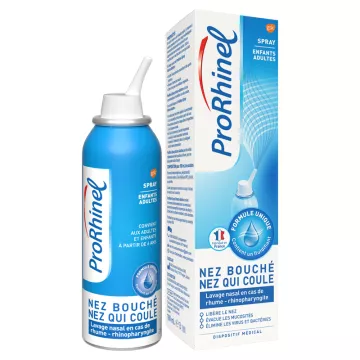
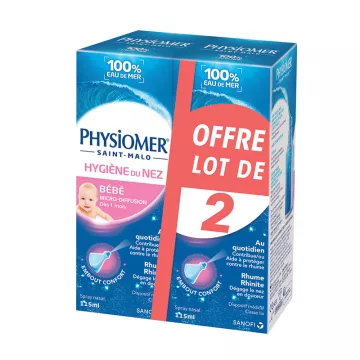
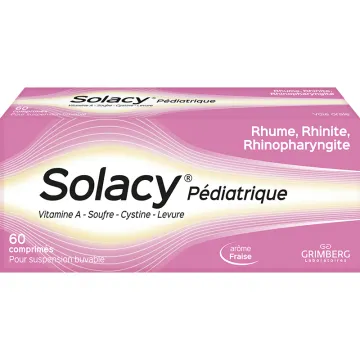
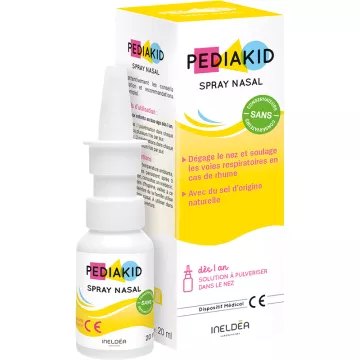
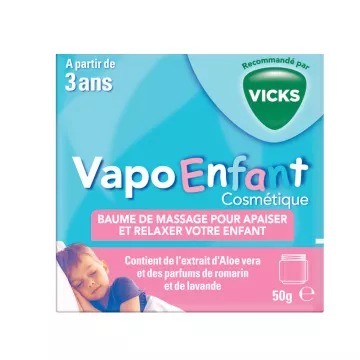
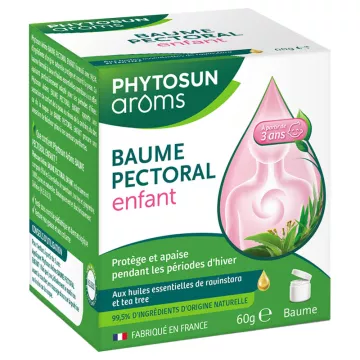
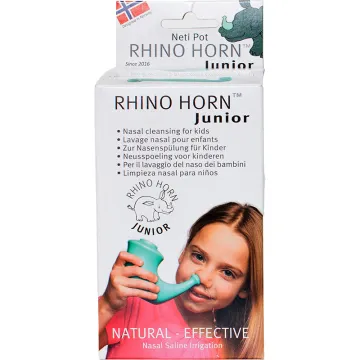
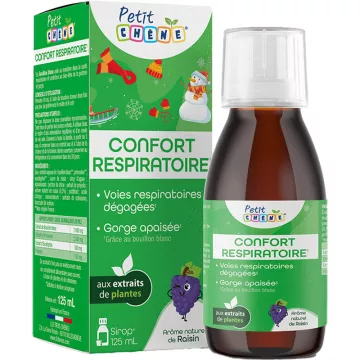
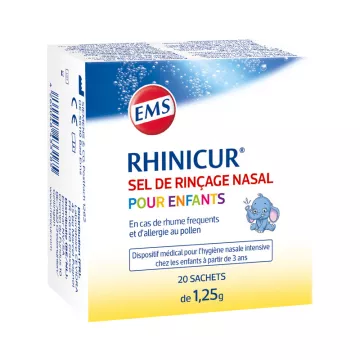
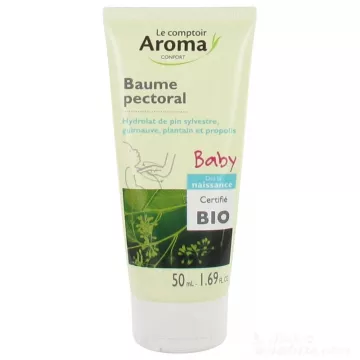
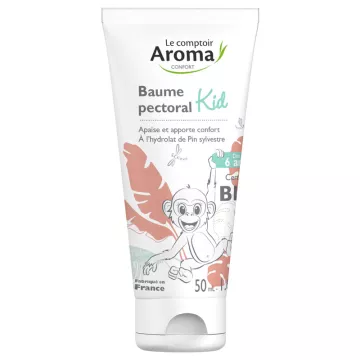
No treatment cures the common cold: management aims to relieve symptoms and support the body’s natural recovery:
Avoid or use with caution: oral or nasal spray decongestants (contraindicated before age 15 according to the ANSM, due to serious cardiovascular risks), codeine-based cough suppressants (contraindicated before age 12), aspirin (risk of Reye’s syndrome), aromatic essential oils applied directly to the skin before 30 months of age, and concentrated camphor and menthol. For fever in general, specific resources are available.
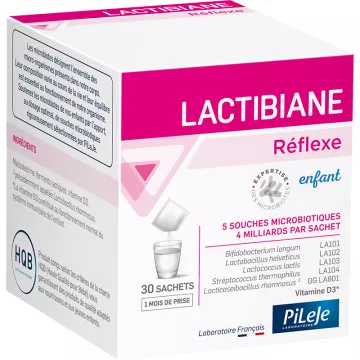
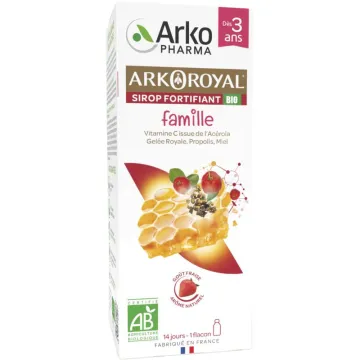
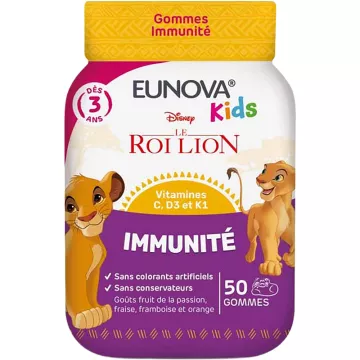
Several approaches can provide long-term support for the immune system:
To boost a child’s natural immunity, vitamin D3, vitamin C, and overall sleep, specific resources are available.
Several situations warrant a medical consultation:
Regarding school attendance, a child may stay home or return to school based on several criteria: fever (must remain fever-free for up to 24 hours without antipyretics), general condition (enough energy to participate in activities), severe respiratory symptoms (rest is recommended), school policy. The most contagious period is during the first 2–3 days. Returning to school should ideally be accompanied by good hygiene practices: disposable tissues, frequent handwashing, and covering the mouth with the elbow when sneezing or coughing.
Specific resources are available forchildren and childhood colds in general. Your pharmacist remains a valuable resource for guiding age-appropriate care, recommending suitable products, and identifying signs that require a doctor’s visit, in addition to regular pediatric follow-up.