What is a baby's cold?
A baby’s cold, also known as rhinopharyngitis, is a very common viral infection of the upper respiratory tract. It is usually mild and is often the first infection that a child’s developing immune system has to fight off. An infant may experience 6 to 10 episodes of a cold per year, particularly between the ages of 6 months and 3 years, and especially in group settings (daycare centers, drop-in childcare).
More than 200 different viruses (primarily rhinoviruses) can cause the common cold, which explains why it recurs so often. It spreads through droplets released when coughing or sneezing, and through direct contact with contaminated hands or objects. A cold typically lasts 7 to 10 days, with symptoms gradually improving. Additional resources are available regarding infants, babies, and the common cold in general.
What symptoms should you look for?
Several characteristic signs help identify a cold in a baby:
- Clearnasal discharge that later becomes thick and yellowish, sometimes greenish
- A stuffy nose making it difficult to breathe through the nose
- Repeatedsneezing
- Mild throatcough or reflex cough (postnasal drip)
- Moderate fever (rarely above 38.5 °C) or low-grade fever
- Irritability, more frequent crying
- Sleep disturbances related to breathing difficulties
- Feeding difficulties: shorter feedings, refusal of bottles due to breathing difficulties
- Watery eyes at times
- Baby is more tired and less active
A cold is usually compatible with good overall health: the baby continues to smile between episodes, plays, interacts, and maintains good muscle tone. A marked decline in overall health always warrants a doctor’s visit, particularly in infants under 3 months of age.
How can you help relieve your baby’s symptoms on a daily basis?
Several simple steps provide effective relief:
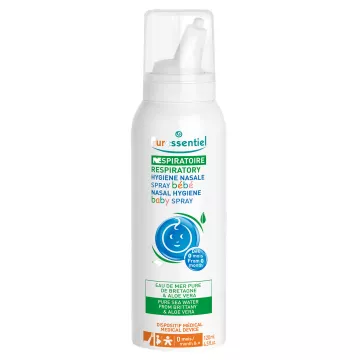
- Regularly rinse the nose with single-dose saline solution several times a day, especially before feedings and bedtime
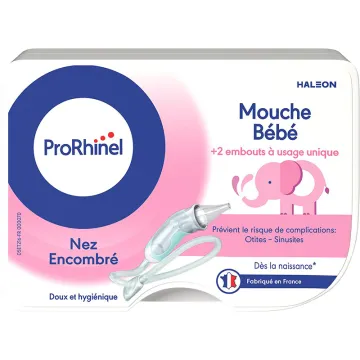
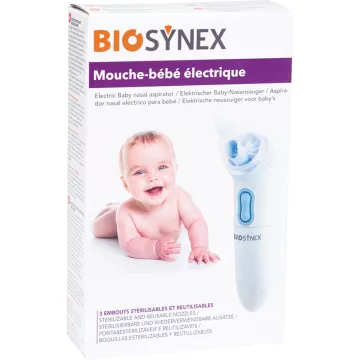
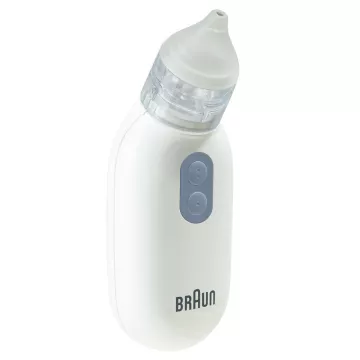
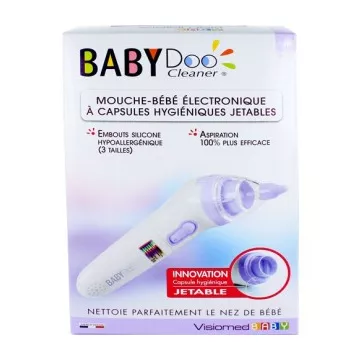
- Use a nasal aspirator (manual or electric) after rinsing with saline solution to remove secretions
- Humidify the air: use a cool-mist humidifier or place a damp cloth on a radiator
- Keepthe room temperature moderate at 18–20 °C
- Regular hydration: Continue feeding on demand; offer plain water more often to children who have started solid foods
- Head slightly elevated in the supine position (sloped mattress) to facilitate breathing, without a pillow under the baby
- Shorter but more frequent feedings if the baby has difficulty breathing
- Extended rest, minimal outings and stimulation
- Soothingcuddles and holding when the baby is uncomfortable
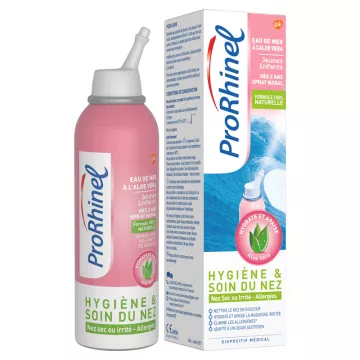
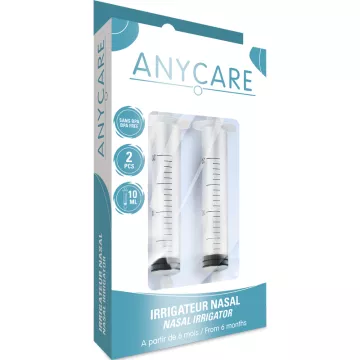
Nasal irrigation is the key step: it clears the airways and makes breathing, feeding, and sleeping easier. It should be done patiently and gently by laying the baby on their side and instilling 1 to 2 ml of saline solution into the upper nostril. Specific resources are available for saline solution, nasal aspirators, and nasal irrigation in general.
What Medications Are Available?
Medications for the common cold should be used with great caution in infants:
- Pediatric acetaminophen in cases of fever above 38.5 °C or significant discomfort, following the dosage based on weight and the recommended interval between doses
- Ibuprofen is not recommended before 3 months of age, and should be used with caution in infants only under medical supervision
- Nasal decongestants (oral or spray): strictly contraindicated before age 15 according to ANSM recommendations (serious cardiovascular risks)
- Codeine-containing cough suppressants: strictly contraindicated for children under 12 years of age (risk of respiratory depression)
- Cough syrups (mucolytics, expectorants): little proven benefit; not recommended before age 2
- Antibiotics: ineffective for viral colds; should be reserved for documented bacterial superinfections and used only by prescription
- Aromaticessential oils: not recommended for direct application on infants; risk of neurotoxicity
- Camphor, menthol, and eucalyptus in decongestant balms: should not be used before 30 months of age
Natural remedies that should be used with caution include: saline solution, hypertonic seawater (as advised by a pharmacist) for older infants, room humidification, and propolis in a child-appropriate form (as advised by a pharmacist). Any medication for infants requires prior consultation with a pharmacist or doctor. Specific remedies are available for fever and nasal congestion in general.
When should you see a doctor?
Several situations warrant an immediate pediatric consultation:
- Infants under 3 months of age with any fever (above 38 °C): consultation is mandatory
- A fever higher than 38.5°C that persists for more than 48 hours
- Breathing difficulties: rapid breathing, wheezing, abnormal sounds, retractions, flaring of the nostrils
- Apneas (breathing pauses)
- Bluish discoloration of the lips or face
- Persistent refusal to feed or significant decrease in milk intake
- Signs of dehydration: fewer wet diapers, sunken fontanelle, dry mouth, drowsiness
- Lethargy, hypotonia, unusual drowsiness
- Very intense, inconsolable crying
- Suspectedotalgia (ear pain)
- Worsening after initial improvement (suspected bacterial superinfection)
- Persistence beyond 10 to 14 days without improvement
Bronchiolitis, common in infants during the winter months, can begin as a cold and then progress to bronchial involvement with wheezing: a doctor’s visit is necessary as soon as unusual respiratory symptoms appear. In case of severe respiratory distress, call 15 or 112.
How can you prevent a cold?
Several simple measures can reduce the frequency of colds in babies:
- Parents and caregiversshould wash their hands thoroughly and consistently before any contact
- Usedisposable tissues, followed by handwashing
- Ventilate roomsdaily for at least 10 to 15 minutes twice a day
- Regular cleaning of frequently touched surfaces (toys, doorknobs, play mats)
- Limiting contact with people who have colds, especially for infants under 3 months old
- No kissing on the face or sharing of utensils during periods of viral circulation
- Avoid secondhand smoke, which weakens the respiratory tract
- Breastfeeding provides protective antibodies
- Vitamin D3 as prescribed by a pediatrician (400 to 800 IU/day, recognized for supporting the immune system)
- Keepvaccinations up to date (official vaccination schedule)
- Adequate sleep and a healthy lifestyle overall
Specific resources are available for preventing colds, taking vitamin D3, and boosting natural immunity in general.
Adjusting diet and sleep?
Several adjustments can support your baby’s recovery:
- Prioritize hydration: continue breastfeeding on demand; offer bottles more frequently in smaller amounts; provide plain water as a supplement for children who have started solid foods
- Cleanse the nose before each meal to make eating easier
- More frequent and shorter meals if the child has difficulty breathing
- Easy-to-eat foods for babies on solid foods: fruit compotes, warm purees, mild soups
- Dietary vitamin C from fresh fruits (kiwi, orange, strawberry) starting with the introduction of solid foods
- Respectextended sleep periods: do not wake the baby for bottles unless necessary
- Semi-upright position for naps if the nose is very stuffy
- A calm atmosphere in the evening to help the child fall asleep
- Reassuring presence of a parent at bedtime
Regular feeding resumes as soon as the child’s condition improves. If breastfeeding is ongoing, it should be carefully maintained: it provides hydration, nutrients, and antibodies. Specific resources are available for children’s coughs and sleep in general. Your pharmacist remains a valuable resource for guiding care, recommending age-appropriate products, and recognizing signs that require a doctor’s visit, in addition to regular pediatric follow-up.