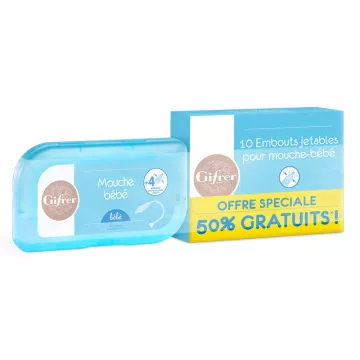
What is a baby nasal aspirator, and why is it useful?
A baby nasal aspirator is a Class I medical device designed to gently suction nasal secretions from infants. Before the age of 2 to 3, children cannot blow their noses on their own: this action is essential for clearing their nasal passages and ensuring their comfort. Its benefits:
- Clearer breathing, particularly helpful when babies breathe mainly through their noses
- Improved sleep thanks to reduced nasal congestion
- Easier feeding: a stuffy nose makes breastfeeding and bottle-feeding more difficult
- Prevention of ENTcomplications (ear infections, bronchiolitis) related to the buildup of secretions
- Overall comfort in cases of a baby’s cold, allergic rhinitis, or simple seasonal congestion
Using a nasal aspirator is part of a comprehensive nasal hygiene routine, ideally combined with the prior application of saline solution to loosen mucus.
How to Choose the Best Nasal Aspirator?
Several criteria will help you find the model best suited to your situation:
- Type: electric (constant, controlled suction) or manual (portable, economical)
- Easy to disassemble and clean for impeccable hygiene
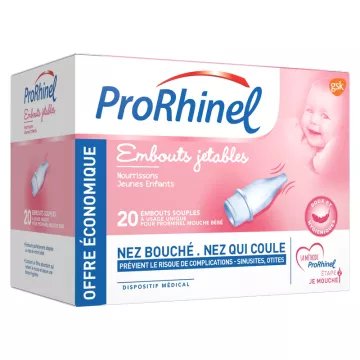
- Soft tips adapted to the size of the baby’s nostrils
- CE medical marking certifying compliance with European standards
- Brands recognized and recommended by healthcare professionals
- Moderate noise level for electric models so as not to startle the baby
- Power options (mains or batteries) to suit your lifestyle
Our section dedicated to baby nasal care features products selected for their safety and effectiveness. If in doubt, ask your pharmacist for advice.
What types of baby nasal aspirators are available?
There are three main types on the market:
- Mouth-operated nasal aspirator: a tube with a nasal tip and filter, operated by the parent’s mouth. Very portable, economical, and allows for precise control of suction strength. The filter prevents any mucus from entering the mouth.
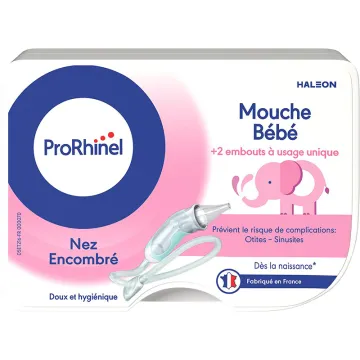
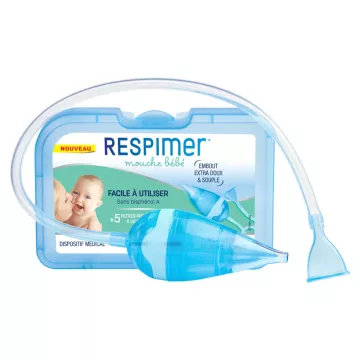
- Bulb-style nasal aspirator: a silicone tip operated by hand. Simple and economical, but with less powerful suction and more difficult to clean thoroughly.
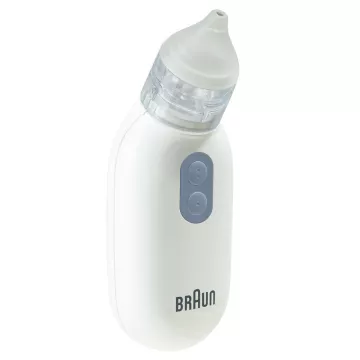
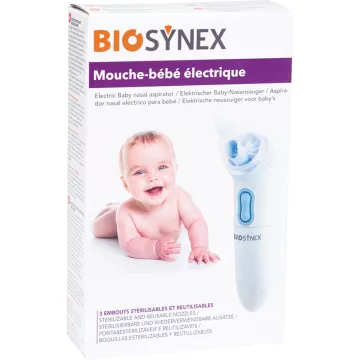
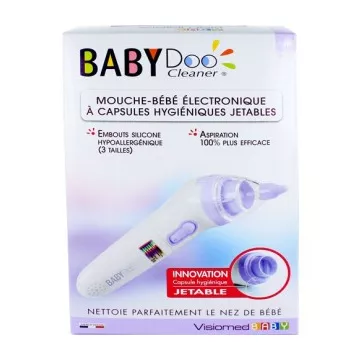
- Electric nasal aspirators: feature a built-in motor, automatic and adjustable suction, and sometimes multiple intensity levels. Ideal for regular use or in cases of frequent congestion; particularly appreciated by parents for their consistent suction.
The choice depends on how often you plan to use it, your budget, and your family’s preferences. Oral suction models remain the go-to recommendation from pediatricians for their effectiveness and safety, despite the fact that some parents may find them off-putting.
How do you use a nasal aspirator safely?
A few simple steps ensure effective and well-tolerated use:
- Wash your hands thoroughly before handling the device
- Read the manufacturer’sinstructions before first use
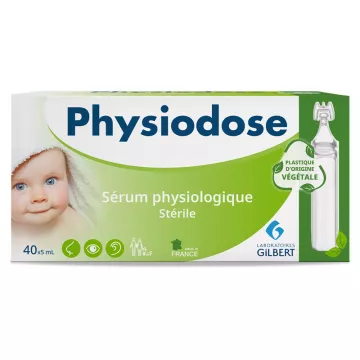
- Instill saline solution into each nostril to soften the mucus (1 to 2 doses depending on age)
- Position the baby on their side with their head slightly tilted, and gently insert the tip into the upper nostril
- Gradually turn on the suction, monitoring the baby’s reaction
- Remove the tip, turn the baby onto the other side, and repeat for the second nostril
- Gently wipe away any remaining secretions with a soft tissue
- Clean and disinfect the device immediately after use
Never insert the tip too deeply: it should remain at the entrance to the nostril. Proceed gently and patiently. For very young infants, having two adults assist can make the process easier (one holds the baby, the other uses the nasal aspirator).
When should you use a nasal aspirator?
A nasal aspirator is appropriate in several common situations:
- Visible or audiblenasal congestion in an infant
- Difficulty breathing through the nose, especially at night
- Before breastfeeding or bottle-feeding to make sucking easier
- Before bedtime to promote peaceful sleep
- Common cold, nasopharyngitis, bronchiolitis, allergic rhinitis
- Exposure to dry air (heating, air conditioning) that dries out the mucous membranes
Clear breathing is essential for feeding and sleeping. Any fever above 38.5 °C, significant breathing difficulties, persistent refusal to drink, unusual drowsiness, or cyanosis requires immediate medical attention—or even a call to 15.
How do you keep a baby’s nasal aspirator clean?
Thorough cleaning prevents bacterial growth:
- Completely disassemble all removable parts after each use
- Wash with hot, soapy water using a mild soap or a suitable cleaner
- Rinse thoroughly with clean water
- Sterilize periodically by boiling for 5 minutes or using a sterilizer, according to the manufacturer’s recommendations
- Allow to air dry completely before reassembly and storage
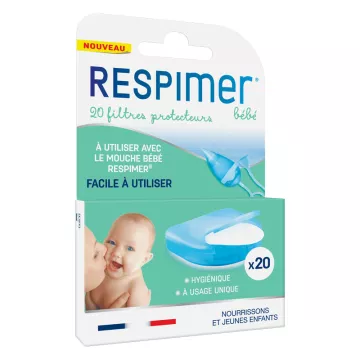
- Replace single-usefilters after each use for models with oral suction
- Check the condition of the mouthpieces before each use
Impeccable aseptic conditions are essential for safe use. Any cracked or discolored tip must be replaced immediately.
How often should a nasal aspirator be used?
The nasal aspirator should be used as needed, when nasal congestion significantly interferes with breathing or feeding. Practical guidelines:
- 2 to 3 times a day during a full-blown cold
- Before main meals and before naps or bedtime
- Do not use it routinelyas a preventive measure: mucus plays a protective role
- Space out uses as soon as nasal congestion improves
Excessive use irritates the delicate mucous membranes and may, paradoxically, worsen congestion due to an inflammatory reaction. If nasal congestion persists for more than 7 to 10 days or is accompanied by other symptoms (fever, ear infection, severe cough), consult a pediatrician.
Are there any risks associated with its use?
Using a nasal aspirator is safe when done according to the recommendations, but a few precautions are essential:
- Irritation of the mucous membranes if suction is too strong or too frequent
- Minor nosebleeds due to weakening of thenasal lining
- Risk of infection if the device is not cleaned thoroughly between uses
- Local injury if the tip is inserted too deeply
- Psychological distress in highly reactive or anxious babies
To minimize these risks: use gentle movements, instill saline solution beforehand, maintain strict aseptic conditions, use the device at a reasonable frequency, and monitor the baby’s reaction. If bleeding persists or there are signs of a nasal infection (purulent discharge, pain), consult a healthcare professional.
Can a nasal aspirator be used after age 2?
The nasal aspirator remains useful beyond age 2 for children who have not yet mastered blowing their nose on their own. A few considerations:
- Help children learn to blow their noses on their own starting at ages 2–3, using soft tissues
- Encourage active blowing as soon as it becomes possible
- Adjust the size of the tips as the child grows
- Reserve the nasal aspirator for episodes of severe congestion
- Fungames and exercises (blowing bubbles in water, blowing on a feather) to develop breath control
The gradual transition to blowing their own nose builds the child’s confidence and frees parents from this task.
How do you choose the ideal nasal aspirator tip?
The tip is the part that comes into direct contact with the nostril: choosing the right one is crucial for comfort and safety:
- Soft, hypoallergenicmedical-grade silicone
- Size appropriate for age: small for newborns, medium for infants, larger for children
- Anatomically shaped to fit the entrance of the nostril without penetrating
- Safety stop that prevents insertion too far into the nostril
- Easy to replace and spare parts are readily available
- Compatible with hot water cleaning or sterilization
Check the condition of the tips regularly: any signs of wear (deformation, cracks, discoloration) require immediate replacement. Leading brands generally offer several sizes in their product lines, covering needs from birth through age 3 or 4.
What are some natural alternatives to nasal aspirators?
Several complementary methods can help clear a baby’s nose:
- Saline solution in single-dose packets: the foundation of any nasal hygiene routine, instilled several times a day as needed
- Isotonic or hypertonic seawater solutions in a spray suitable for infants, as recommended by a pharmacist
- Gently wiping the nose with a damp gauze pad to remove visible secretions from the entrance of the nostril
- Ensuring the babystays well-hydrated (breastfeeding, bottle-feeding, or water for older babies), which naturally thins the mucus
- Humidify the air to 40–60%, especially in winter when the heat is on
- Sleeping ina semi-upright position (as advised by a healthcare provider) in cases of persistent congestion
- Spending time outdoors, which often helps clear the airways
Essential oils are strictly contraindicated for infants and young children (under 3 years old, or even 7 years old in many cases). Avoid balms, menthol-based, or eucalyptus-based sprays intended for adults. If in doubt, consult your pharmacist or pediatrician—every child is different, and certain conditions (such as infant asthma) require special attention.