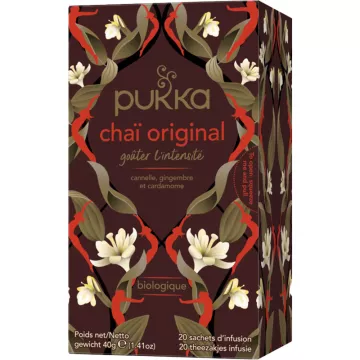
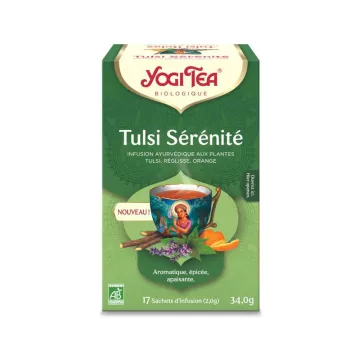
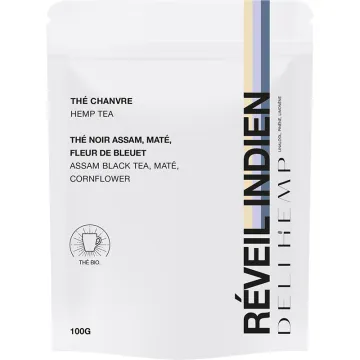
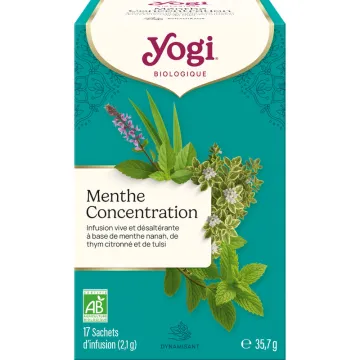
An Ayurvedic herbal tea is a hot beverage made from a blend of herbs selected according to the principles ofAyurveda, a traditional Indian system of medicine whose roots date back more than three thousand years. Its formulation is not aimed at a single symptom: it seeks to support the body’s natural balance according to each person’s individual constitution.
Ayurveda is based on the theory of the three doshas (Vata, Pitta, Kapha), which describe the vital energies that structure the body and mind. A well-balanced infusion combines bitter, sweet, astringent, or warming herbs depending on whether the body’s constitution needs to be soothed or invigorated. This approach distinguishes Ayurvedic herbal tea from common Western herbal teas, which tend to target a specific, one-off effect. The French selection is available in the Ayurvedic herbal teas category.
Understanding the dosha typology is the first step toward personalizing your herbal tea. Every person possesses all three doshas in varying proportions, and Ayurveda seeks to correct imbalances in the dominant dosha.
The Vata dosha (ether and air) corresponds to a constitution that is often dry, sensitive to cold, energetic but prone to exhaustion, and susceptible to anxiety and light sleep. The Pitta dosha (fire and water) characterizes individuals with a fast metabolism, who sweat easily, and have a determined or even irritable temperament. The Kapha dosha (water and earth) describes those with a calmer, more grounded constitution, who tend to have a slower metabolism and digestion. A consultation with a trained Ayurvedic practitioner allows for a personalized assessment (Prakriti and Vikriti) that is more thorough than a simple online questionnaire.
The Ayurvedic pharmacopoeia includes several hundred species, about ten of which are particularly common in everyday blends. Many are also familiar from Western cuisine and herbal medicine.
For digestive health, ginger and fennel are staples, complemented by cumin and turmeric. For overall health and immunity, tulsi (holy basil), amla (Indian gooseberry), andashwagandha (Withania somnifera)—considered an adaptogen—are frequently used. For nervous system relaxation, chamomile and mint are common ingredients in traditional blends. Spices such as cinnamon, black pepper, and cardamom are added to the “warming” herbal teas characteristic of the tradition.
Preparing an Ayurvedic herbal tea is simple and straightforward, provided you follow a few basic rules regarding quantity, steeping time, and the quality of the water used.
The classic method follows four steps: select the herbs according to your needs and dominant dosha; add one teaspoon of the mixture to a cup of simmering water at 90°C (boiling water destroys certain delicate aromas); cover and let steep for 5 to 10 minutes depending on the blend (roots and barks benefit from steeping longer than leaves); strain and savor at your leisure, ideally between meals for restorative infusions. The loose-leaf herbal tea line lets you customize your own blends, in addition to the classic organic herbal tea bags.
The art of Ayurvedic herbal tea lies in combining flavors and thermal properties according to the constitution you wish to balance. This approach is based on the six tastes (rasa) and the intrinsic heat (virya) of each herb.
For a Vata constitution, choose warming and heavy herbs: ginger, cinnamon, cardamom, licorice, and fennel. For a Pitta constitution, opt for cooling and soothing herbs: mint, fennel, cilantro, rose, and chamomile. For a Kapha constitution, choose stimulating, light, and warm herbs: ginger, black pepper, cloves, turmeric, and cinnamon. These recommendations are general guidelines; a temporary imbalance (due to the season, diet, or fatigue) may call for a blend different from your basic dosha—all the more reason to consult with a trained practitioner.
The time of day you drink it directly influences the effect you feel and how well you tolerate the tea. Ayurveda places great importance on the circadian rhythm of the organs and the three main times of the day.
To support digestion, a tea made with ginger, fennel, or cumin is best consumed 15 to 30 minutes before a meal or at the start of digestion. To promote relaxation and sleep, a soothing herbal tea (chamomile, ashwagandha, brahmi) should be taken one to two hours before bedtime. For a morning energy boost, tulsi and warming spices help kickstart the day. Avoid very spicy herbal teas late at night or late in the evening, as they can disrupt sleep.
The digestive system is central to Ayurvedic philosophy: the quality of digestion (Agni, the digestive fire) determines the quality of one’s overall health. Many traditional herbal teas target this system.
Carminative herbs such as ginger, fennel, cumin, and cardamom are traditionally used to relieve feelings of heaviness, bloating, and digestive discomfort after meals. Turmeric and its active ingredient, curcumin, are the subject of extensive scientific literature, with bioavailability varying greatly depending on the formulation. Licorice adds a mild touch but should be used with caution due to its blood-pressure-raising effect. Persistent digestive complaints (pain, weight loss, or lasting changes in bowel movements) require medical consultation before considering a simple herbal tea regimen.
Ashwagandha and brahmi (Bacopa monnieri) are the two plants most commonly cited in Ayurvedic formulas designed to promote mental balance. Both belong to the family of adaptogenic plants, which can support the body’s response to chronic stress.
These herbs are traditionally consumed to support resilience in the face of daily stress, aid concentration during periods of mental overload, and promote more restful sleep. They are not a substitute for medical care in cases of persistent anxiety, clinical depression, or chronic insomnia. Ashwagandha is also not recommended for individuals with treated hyperthyroidism or for pregnant women.
Ayurveda offers several plants traditionally used to support women during periods of transition. Shatavari (Asparagus racemosus) and brahmi are the most commonly cited options in this context.
These herbs are used to support premenstrual syndrome, hormonal transitions, and menopause, though they do not constitute hormone replacement therapy in the medical sense. Shatavari contains compounds with moderate estrogen-like activity: it is not recommended for individuals with a personal or family history of hormone-dependent cancer (breast, ovarian, endometrial) or for those with mastopathy, without prior consultation with a gynecologist. Any debilitating menopausal symptoms warrant a medical consultation rather than simply taking a course of herbal tea.
Ayurvedic herbal tea is generally well tolerated at standard doses, but has contraindications that are crucial to understand before beginning any regular course of treatment. The wide variety of possible herbs requires careful consideration on a plant-by-plant basis.
During pregnancy and breastfeeding, several Ayurvedic herbs are not recommended (turmeric in high doses, licorice, ashwagandha, shatavari for therapeutic purposes, Chinese cinnamon with a high concentration of coumarins): never begin a treatment regimen without consulting a midwife or doctor. In children, potent spices should be avoided. Patients taking anticoagulants (warfarin, VKA, ODA) and antiplatelet agents should avoid high doses of turmeric, ginger, and ginkgo biloba, which increase the risk of bleeding. Patients with high blood pressure should avoid licorice. Diabetics undergoing treatment should be cautious with hypoglycemic herbs (gymnema, cinnamon, fenugreek), which can potentiate their medication and increase the risk of hypoglycemia. In case of doubt or for long-term treatment, a pharmacist can help verify potential interactions.
Ayurvedic herbal teas are part of a millennia-old tradition validated by long-standing use, the foundations of which are now being partially explored by modern research. Some plants (turmeric, ginger, ashwagandha, tulsi) are supported by substantial scientific literature, while other compounds in the Ayurvedic tradition remain largely unexplored.
No specific health claims have been validated by the EFSA for the majority of Ayurvedic plants, and commercial claims in France remain governed by European Regulation 432/2012. The WHO recognizes Ayurveda as a system of traditional medicine within its 2014–2023 Strategy for Traditional Medicine, though it does not validate all of its practices. Ayurvedic herbal teas therefore serve a useful purpose in promoting daily well-being and a healthy lifestyle, complementing a balanced diet and regular physical activity, without replacing medical care when it is necessary.