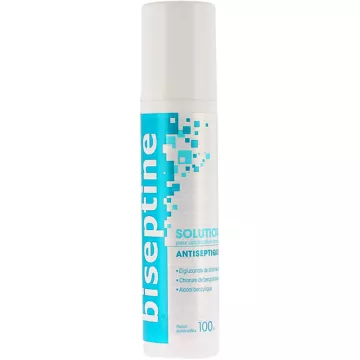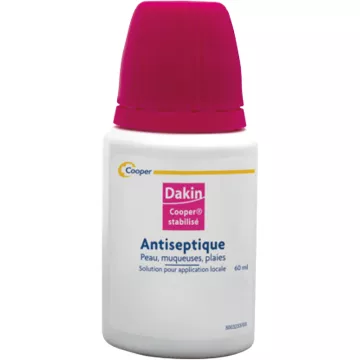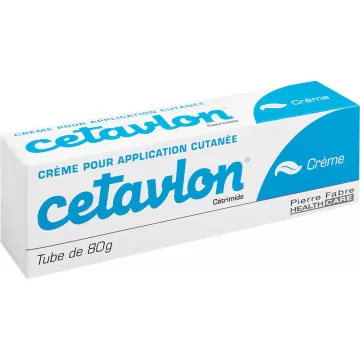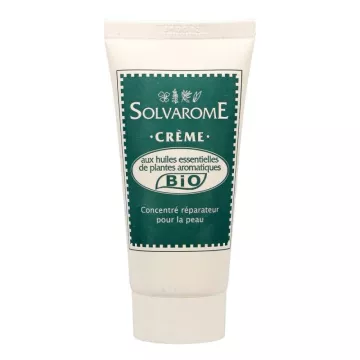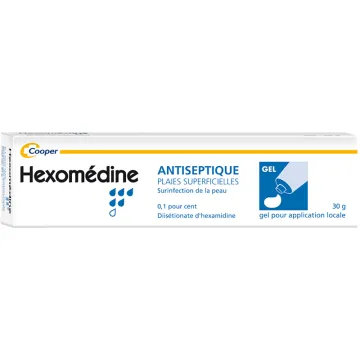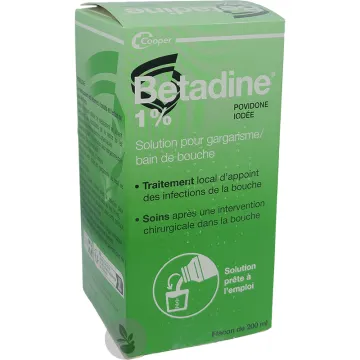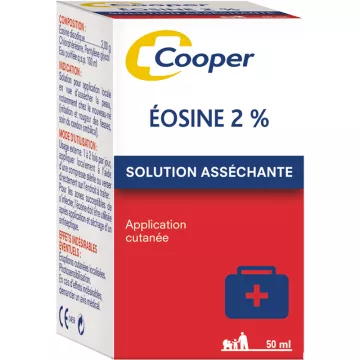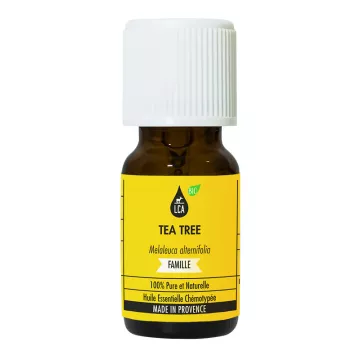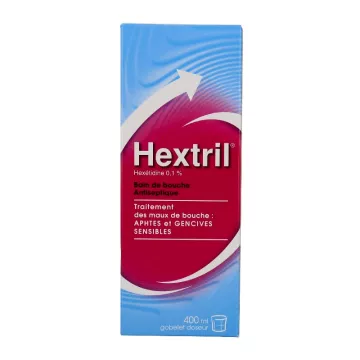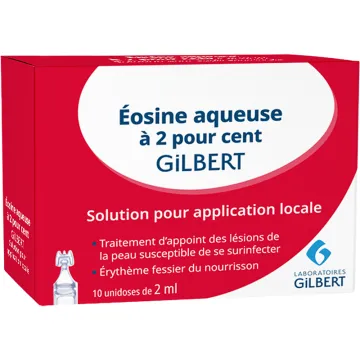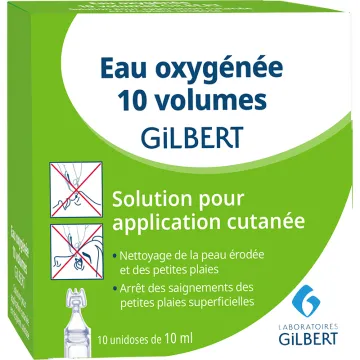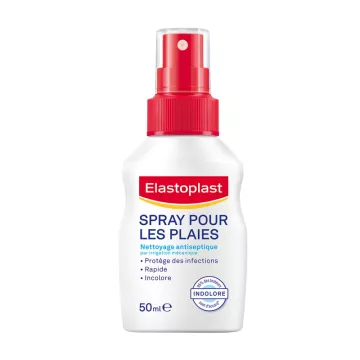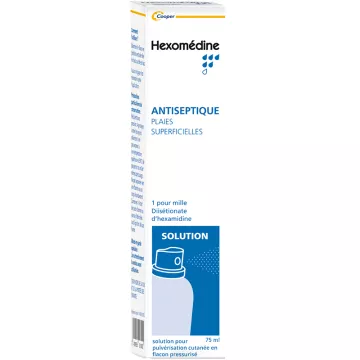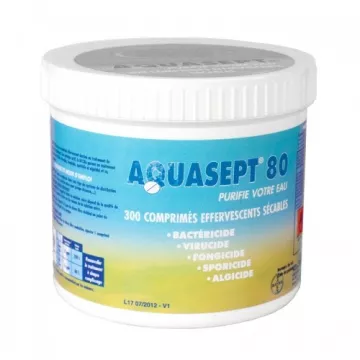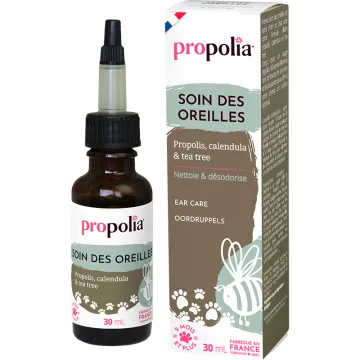
An antiseptic is an antimicrobial substance designed to be applied to living tissue—skin and mucous membranes—to destroy or inhibit the growth of pathogenic microorganisms. This is the fundamental difference from disinfectants, which are intended for use on inanimate surfaces and should never be used on the skin due to their high concentration of active ingredients. Antiseptics are essential in any first-aid kit for the daily care of minor wounds and when traveling. They are available in the store’s line of disinfectants and antiseptics.
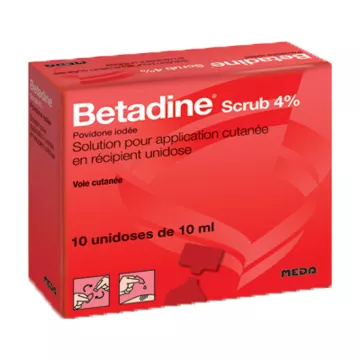
Antiseptics work through several mechanisms depending on their nature: disruption of the bacterial cell membrane (chlorhexidine, alcohols), releasing active iodine that kills microorganisms through oxidation (povidone-iodine), or oxidizing bacterial proteins (hydrogen peroxide). Unlike antibiotics—which treat systemic infections orally or via injection—antiseptics act only on the surface and do not penetrate the skin barrier.
The choice of antiseptic depends on the type of wound, its location, and the patient’s profile:
A rigorous protocol maximizes the antiseptic’s effectiveness while promoting healing. First, wash your hands with soap and water. Rinse the wound thoroughly under running water (for at least 5 minutes) to remove foreign bodies, dirt, and debris—this mechanical cleansing step is more important than the antiseptic treatment itself. Gently dry the wound with a sterile gauze pad. Apply the antiseptic to the wound without touching the applicator tip to the affected area to maintain the sterility of the bottle. Allow the recommended contact time (usually 30 seconds to 1 minute). Cover with a sterile dressing if necessary; these are available in the wound healing product line.
Do not use antiseptics on deep wounds, animal bites, extensive burns, or infected wounds accompanied by fever—these situations require urgent medical attention (infected wounds). For children, choose low-concentration aqueous chlorhexidine, which is gentle and well-tolerated, rather than alcohol or Betadine. Antiseptics have an expiration date that must be observed—their effectiveness decreases after opening (up to 6 months for chlorhexidine, 3 months for Betadine), and never top off an opened bottle with new product.