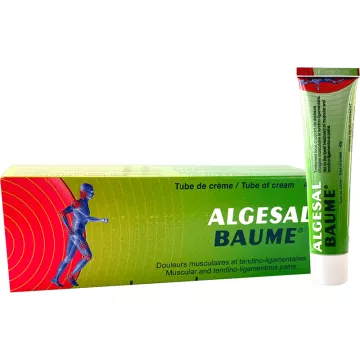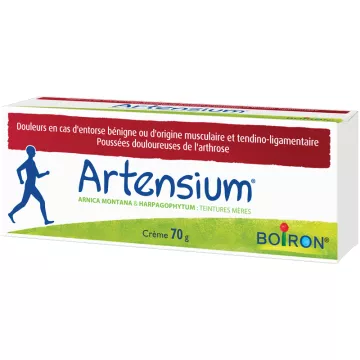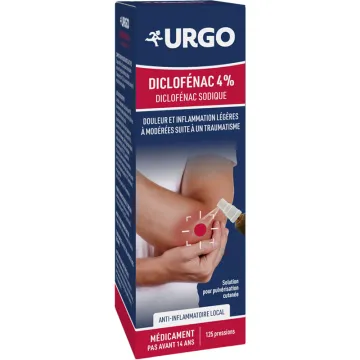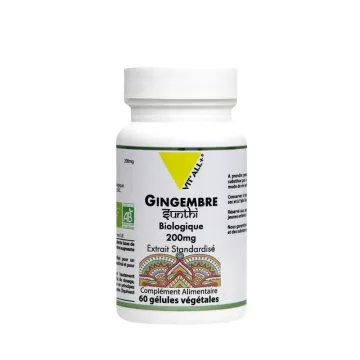

An anti-inflammatory is a substance that reduces or inhibits the body’s inflammatory response—a natural defense mechanism characterized by redness, heat, swelling, and pain. In medicine, there are two main classes. NSAIDs (nonsteroidal anti-inflammatory drugs—ibuprofen, naproxen, aspirin) inhibit the COX-1 and COX-2 enzymes, thereby blocking the synthesis of pro-inflammatory prostaglandins. Corticosteroids (prednisone, prednisolone) mimic the action of adrenal hormones and more broadly suppress the immune response—reserved for severe inflammation or autoimmune diseases, and available only by strict medical prescription. Natural anti-inflammatory supplements are available in the joint pain and muscle pain sections of the store.
NSAIDs are used for acute pain (back pain, sprains, menstrual cramps), inflammatory joint conditions (osteoarthritis, tendinitis), and fever. Their use should be limited in duration—they do not treat the cause of inflammation but relieve its symptoms. NSAIDs and alcohol should never be combined (risk of gastrointestinal bleeding). Taking them with a meal reduces stomach irritation. NSAIDs are strictly contraindicated starting in the third trimester of pregnancy (risk of fetal heart problems).
NSAIDs are effective but carry dose-dependent risks that should not be overlooked. In the gastrointestinal tract, they inhibit gastric COX-1 (which protects the mucosa) → ulcers, bleeding, perforations, especially in people over 65 or those with a history of gastro-duodenal disease. Cardiovascularly, long-term use modestly increases the risk of heart attack and stroke—a risk to monitor in patients with hypertension or coronary artery disease. Regarding the kidneys, prostaglandins that maintain renal blood flow are blocked → risk of acute kidney injury in the elderly or dehydrated individuals.
To prevent these effects: always take NSAIDs with a meal, use the lowest effective dose for the shortest possible duration, never combine two NSAIDs, and consult a doctor before combining NSAIDs with anticoagulants (cumulative risk of bleeding). In cases of prolonged use, a proton pump inhibitor (PPI) may be prescribed for gastric protection.
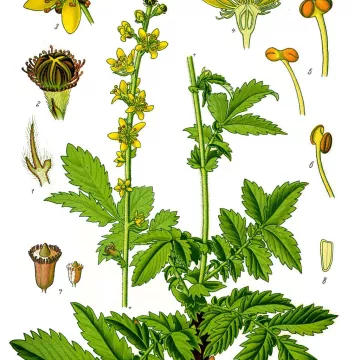
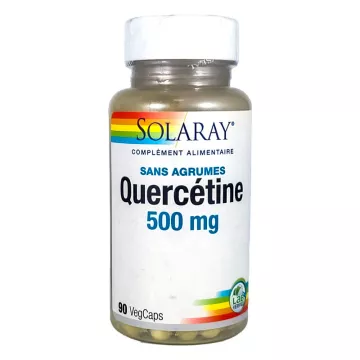
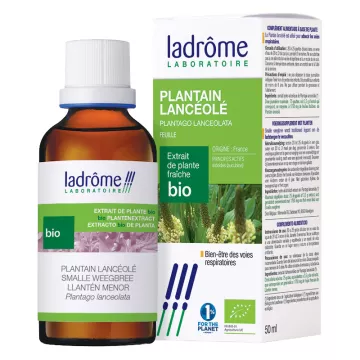
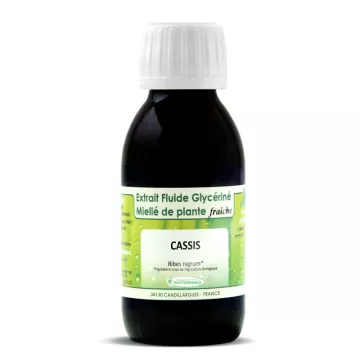
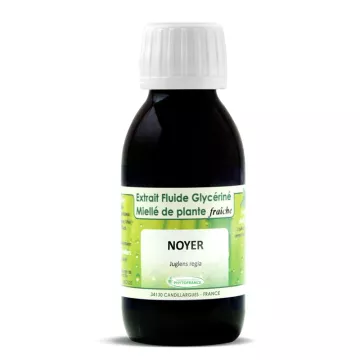
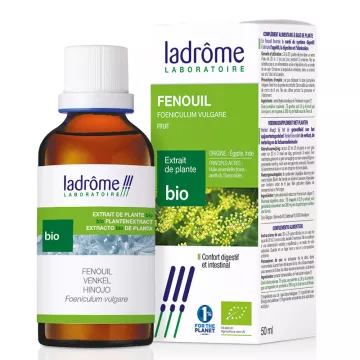
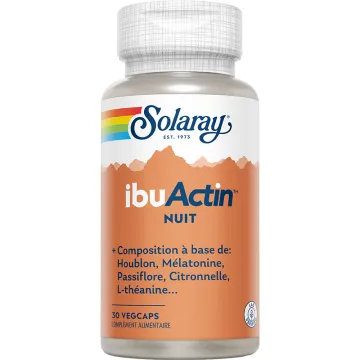
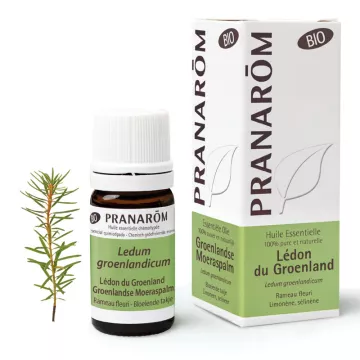
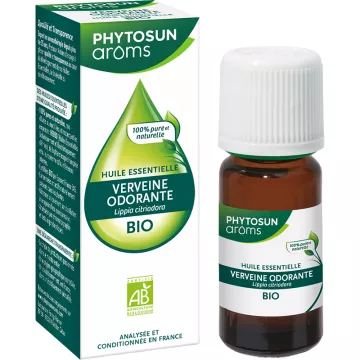
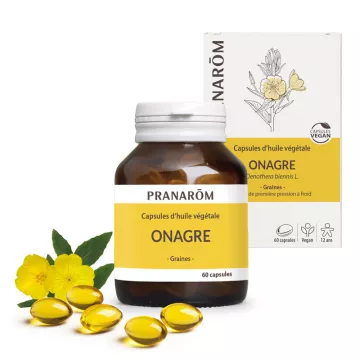
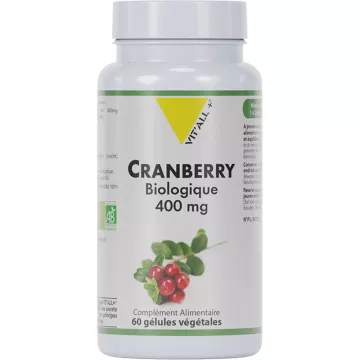
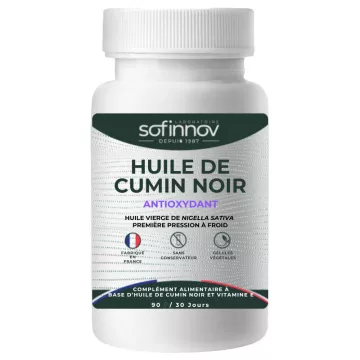
Many plant-based compounds have documented anti-inflammatory activity without the gastrointestinal side effects of NSAIDs—they act through different biological pathways and can be used to help manage chronic muscle and joint pain or to prevent inflammatory flare-ups: