0
Menu
Actron aspirin paracetamol caffeine 20 tablets
Over-the-counter medication

Actron aspirin paracetamol caffeine 20 tablets

Actron effervescent tablet combines aspirin, paracetamol and caffeine for a triple action: pain relief, antipyretic and toning. Ideal for the flu, headaches or aches and pains, it offers rapid relief while promoting mental alertness. Its effervescent format ensures rapid assimilation for an almost immediate effect. Suitable for adults, under medical supervision if necessary.

€6.81 EXCL. VAT €7.49 INCL. VAT
In stock Shipped within 24h Secure payment
Reference : 3400931183402
You must be logged in to add this product to a list. Customer login
See delivery conditions

Our doctors of pharmacy advise you

Dalfeine Paracetamol 500mg + Caffeine 65mg 16 tablets Dalfeine Paracetamol 500mg + Caffeine 65mg 16 tablets
€3.94
Add to cart
Shipped within 24h
Euphytose Nuit 30 Melatonin tablets Euphytose Nuit 30 Melatonin tablets
30 tablets 60 tablets
€11.94
Add to cart
Shipped within 24h
Ipraféine ibuprofen 400mg + caffeine 100mg 12 cp Ipraféine ibuprofen 400mg + caffeine 100mg 12 cp
€4.95
Add to cart
Shipped within 24h
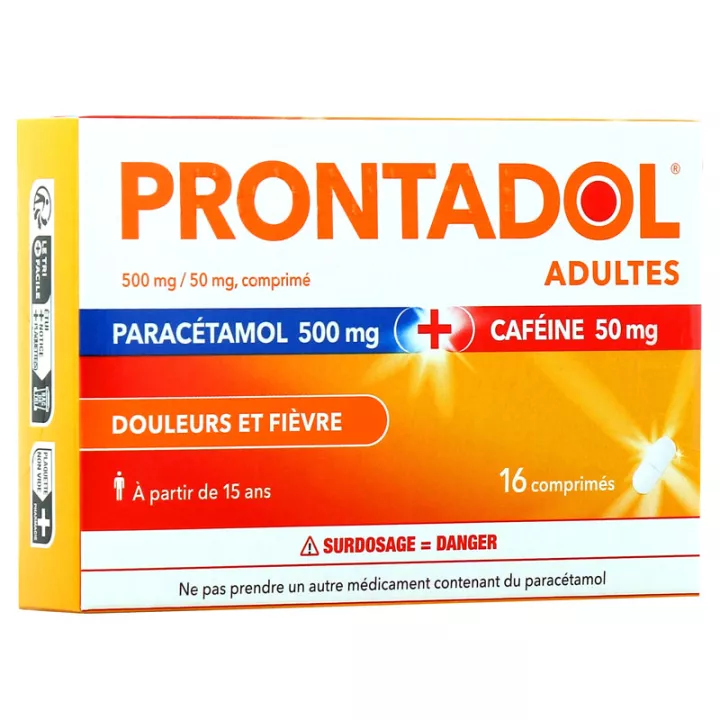
PRONTADOL 500mg paracetamol 50mg caffeine 16 tablets PRONTADOL 500mg paracetamol 50mg caffeine 16 tablets
€3.99
Add to cart
Shipped within 24h
ASPIRIN PROTECT 100MG 30 TABLETS ASPIRIN PROTECT 100MG 30 TABLETS
€3.47
Add to cart
Shipped within 24h
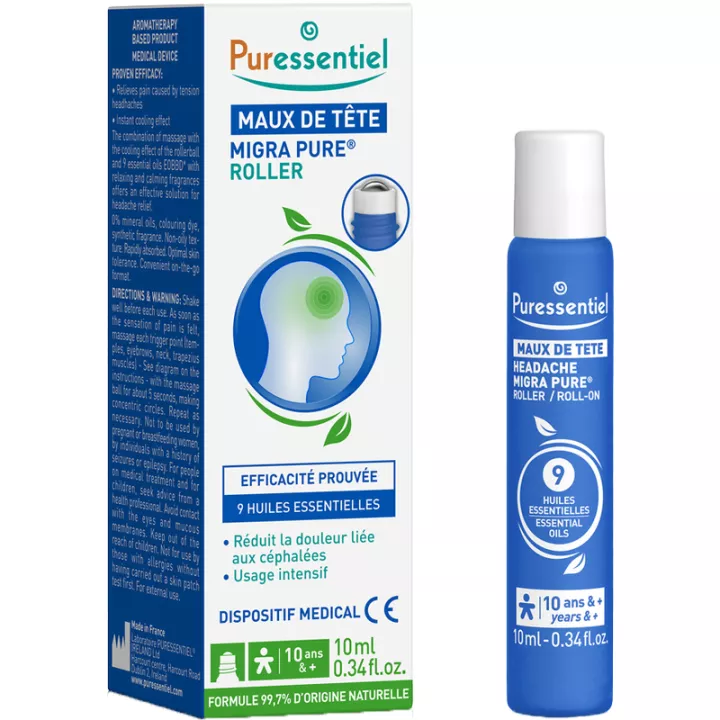
Pranarom Aromalgic Roll-On Headache 5 ml Pranarom Aromalgic Roll-On Headache 5 ml
€7.79
Shipped within 24h
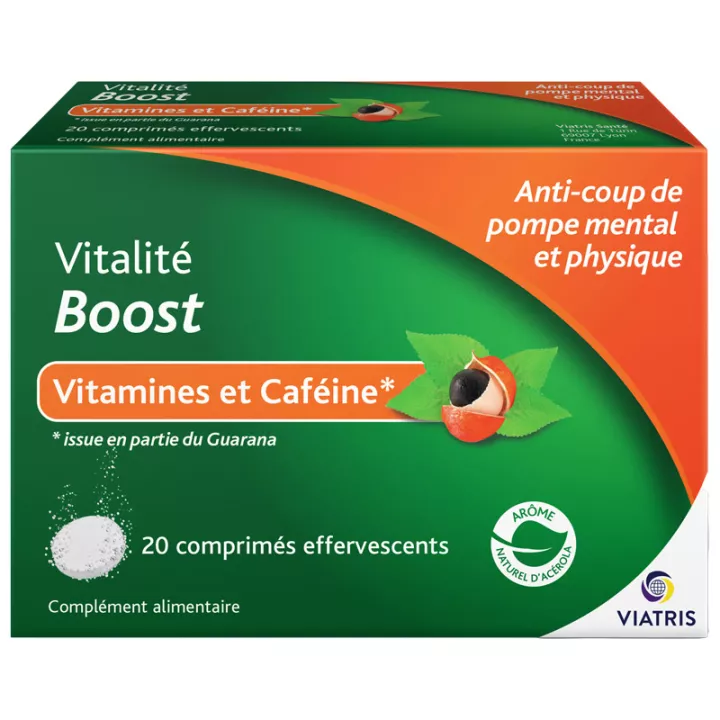
Viatris Vitalité Boost Vitamins and Caffeine 20 tablets Viatris Vitalité Boost Vitamins and Caffeine 20 tablets
€8.95
Shipped within 24h

What is ACTRON aspirin paracetamol caffeine used for?

ACTRON effervescent tablet is a triply effective medicine designed to provide rapid pain relief, fever reduction and a gentle stimulant effect. It combines three active ingredients with complementary actions: acetylsalicylic acid (aspirin), paracetamol and caffeine. This well-known trio acts synergistically to alleviate mild to moderate pain, while maintaining mental alertness without drowsiness.

The primary benefit of this treatment lies in the powerful analgesic effect provided by the combination of aspirin and paracetamol. These two substances, belonging to distinct pharmacological classes, attack pain through complementary mechanisms. Aspirin acts by inhibiting prostaglandins, the molecules involved in inflammatory and painful processes, while paracetamol acts primarily at the central level to reduce pain perception. The result: a rapid and lasting reduction in headaches, toothache, muscle aches and pains.

ACTRON also plays an important role as an antipyretic, thanks to its two main components. In case of flu or fever syndrome, it brings body temperature back to normal by acting directly on the hypothalamus, the temperature-regulating center. This action is invaluable in preventing fever-induced fatigue, shivering and general discomfort. Caffeine, although present in moderate quantities, plays an essential role in the efficacy of the treatment. It amplifies the analgesic effect of paracetamol, while providing gentle stimulation of the central nervous system, thus avoiding the drowsiness sometimes induced by chronic pain. This is a particular advantage for active patients, who need to stay focused while relieving their symptoms.

The combination of three active substances makes this medication particularly effective in situations of acute pain with a feeling of lassitude or feverishness. It is the treatment of choice for self-medication, provided that contraindications and precautions are observed. It is reserved for adults and not recommended at the end of the day, due to the presence of caffeine, which can disrupt sleep.

Finally, its effervescent format makes it particularly suitable for those with swallowing difficulties or who want a faster action. Dissolved in a glass of water, it is absorbed faster than a conventional tablet, making it a reactive treatment option for sudden pain. In short, ACTRON effervescent tablet is a complete solution for those seeking to effectively soothe pain and fever while maintaining energy levels. Thanks to its analgesic, antipyretic and stimulant effects, it's the ideal solution for everyday aches and pains.

To complement the analgesic effects of this product, or as a more targeted alternative, we recommend Aspirine du Rhône 500mg Bayer 50 tablets, a pharmacopoeia classic for effective pain relief.

How to use this product

Instructions for use (Dosage and administration)
ACTRON effervescent tablets are for adults only. The usual dosage is 1 to 2 tablets every 4 hours, depending on the intensity of pain, but not exceeding 7 tablets a day. For elderly subjects, the maximum dose is 5 tablets per day. The tablet should be completely dissolved in a glass of water before ingestion, to ensure rapid absorption. In cases of severe renal insufficiency, the interval between doses should be increased to a minimum of 8 hours. Treatment should not exceed 3 days in case of fever, or 5 days in case of pain, except on medical advice.

Give your opinion on the ACTRON aspirin paracetamol caffeine advice for use and dosage with our partner Verified opinions after your purchase.

Precautions for use
Do not use ACTRON effervescent tablet after the 6th month of pregnancy (24 weeks' gestation). Before this period, its use is authorized only in cases of absolute necessity and under medical supervision. This product is contraindicated for children under 15, due to the presence of caffeine. It must not be administered in cases ofallergy to any of the active ingredients, evolving peptic ulcer, severe liver, heart or kidney disease, or a history of NSAID-induced asthma. Special precautions are required in cases of anticoagulant therapy, gout, heavy menstrual bleeding or a history of digestive disorders.

Caffeine may causeinsomnia, palpitations or nervous excitement. It is not recommended at the end of the day, or for people with cardiovascular disorders or hyperthyroidism. It also contains sodium, a parameter to be monitored in strict low-salt diets.

What is its composition?

Acetylsalicylic acid, Paracetamol, Caffeine Anhydrous, Citric acid, Sodium bicarbonate

Presentation
ACTRON comes as effervescent tablets in boxes of 20. It is administered orally, after complete dissolution in a large glass of water.

Our advice and expert opinions

As part of an integrative approach designed to optimize pain relief and reduce the need for medication, ACTRON can be combined with a number of complementary natural solutions, in compliance with contraindications and with no known drug interactions. In phytotherapy, the bark of white willow (Salix alba), rich in salicin - a natural precursor of acetylsalicylic acid - can be considered as a short treatment, particularly for moderate joint or muscle pain. For patients prone to nervous tension or emotionally-induced headaches, Bach flowers such as Rescue Remedy or Cherry Plum offer interesting adaptogenic support, with no sedative effect.

In aromatherapy, essential oil of Gaultheria procumbens, with its analgesic and anti-inflammatory properties, can be applied diluted locally to painful areas (always diluted in a neutral vegetable oil such as Arnica or Macadamia). For tired or feverish people, inhalation ofRavintsara essential oil (Cinnamomum camphora ct 1.8 cineole) supports the immune system while stimulating alertness.

Finally, nutritherapy can accompany treatment by providing metabolic cofactors for the nervous and muscular systems, such as marine magnesium, vitamin B6 or coenzyme Q10, often indicated for chronic fatigue syndromes or recurrent migraines.

However, it is advisable to consult a health-care professional trained in complementary medicine prior to any therapeutic combination, in order to guarantee safety, efficacy and the absence of pharmacological interactions.

Pharmacovigilance Report an adverse drug reaction(s)

Download PDF leaflet

NOTICE

ANSM - Updated on : 18/09/2024

ATTENTION

ACTRON, effervescent tablet, WHICH IS A NON-STEROIDIC ANTI-INFLAMMATORY (NSAID), MAY CAUSE FTAL DEATH IF TAKEN FROM THE 6TH MONTH OF PREGNANCY (24 weeks of amenorrhea) EVEN AFTER A SINGLE TAKE.

Do not use if you are 6 months or more pregnant (24 weeks or more).

Before the 6th month or if you are planning a pregnancy, you should not take this medicine unless absolutely necessary, as determined by your doctor.

Product name

ACTRON, effervescent tablet

Acetylsalicylic acid/Paracetamol/Caffeine

Sidebar

Please read this leaflet carefully before taking this medicine, as it contains important information for you.

Always take this medicine exactly as it is prescribed by your doctor or pharmacist.

- Keep this leaflet. You may need to read it again.

- Ask your pharmacist for any advice or information you may need.

- If you experience any side effects, talk to your doctor or pharmacist. This also applies to any side effects not mentioned in this leaflet. See section 4.

- You should contact your doctor if you do not feel any improvement or if you feel less well after 3 days (in the case of fever) or 5 days (in the case of pain).

What does this leaflet contain?

1. What is ACTRON effervescent tablet and what is it used for?

2. What do I need to know before taking ACTRON, effervescent tablet?

3. How do I take ACTRON, effervescent tablet?

4. What are the possible side effects?

5. How should ACTRON effervescent tablets be stored?

6. Package contents and other information.

1. WHAT IS ACTRON, effervescent tablet AND WHAT IS IT USED FOR?

Pharmacotherapeutic class - ATC code: ANTALGIC and ANTIPYRETIC - N: central nervous system

This medicine contains two analgesics: aspirin and paracetamol, plus caffeine.

It is indicated in adults for conditions involving pain and fever, such as headaches, flu, toothache and aches.

You should consult your doctor if you do not feel any improvement or if you feel less well after 3 days (in the case of fever) or 5 days (in the case of pain).

2. WHAT DO I HAVE TO KNOW BEFORE TAKING ACTRON, effervescent tablet?

Never take ACTRON, effervescent tablet if you are 24 weeks or more pregnant (6 months or more of pregnancy) (see "Pregnancy, breast-feeding and fertility" below).

During the first 5 months of pregnancy, you should not take ACTRON, effervescent tablet unless absolutely necessary, as determined by your doctor.

If you are planning a pregnancy and are taking an NSAID, talk to your healthcare professional.

Never take ACTRON effervescent tablets:

- if you are allergic to laspirin or a related drug (in particular non-steroidal anti-inflammatory drugs), to paracetamol or caffeine, or to any of the other components of this medicine listed in section 6.

- Children under 15 years of age, due to the presence of caffeine.

- Pregnancy, from the beginning of the 6th month (beyond 24 weeks of amenorrhea),

- if you have serious liver, kidney or heart disease

- if you have an evolving stomach or duodenal ulcer,

- if you have a bleeding disease or risk of bleeding,

- if you have a history of asthma induced by daspirin or other molecules with a similar action, such as non-steroidal anti-inflammatory drugs.

- If treated with:

o methotrexate (doses greater than 20 mg per week),

o oral anticoagulants when aspirin is prescribed in analgesic or antipyretic doses (≥ 500 mg per dose and/or < 3 g/day) and in the event of a history of duodenal ulcer.

IF IN DOUBT, ASK YOUR DOCTOR OR PHARMACIST FOR ADVICE.

Warnings and precautions

Talk to your doctor or pharmacist before taking ACTRON, effervescent tablet.

If pain persists for more than 5 days, fever for more than 3 days or worsens, do not continue treatment without consulting your doctor or pharmacist.

In the event of overdose, or if you take too high a dose by mistake, contact a doctor immediately.

Reye's syndromes (a rare but very serious disease mainly associating neurological disorders and liver damage) have been observed in children with viral diseases receiving aspirin.

Consequently:

- in the event of viral illness, such as chickenpox or a flu-like episode: do not administer aspirin to a child without the advice of a physician,

- If a child taking aspirin becomes unconscious, vomits or exhibits behavioral problems, contact a physician immediately.

Before taking aspirin, CONSULT YOUR PHYSICIAN in the event of:

- gout.

- digestive history: bleeding, former stomach or duodenal ulcer,

- kidney or liver disease,

- impaired circulation

- asthma: the occurrence of asthma attacks in some individuals may be linked to allergy to aspirin or NSAIDs; in such cases, this drug is contraindicated.

- heavy menstrual bleeding or IUD contraception

- G6PD deficiency

- before any surgery, even minor (e.g. tooth extraction).

Aspirin increases the risk of bleeding at very low doses, even when taken for several days. PREVENT YOUR TREATMENT PHYSICIAN, SURGEON, ANESTHESIST OR DENTIST if you intend to undergo even minor surgery.

Before taking paracetamol, CONSULT YOUR DOCTOR in the event of :

- liver or kidney disease. Prolonged use of high-dose paracetamol can lead to liver and kidney damage.

- hereditary disease of red blood cell enzymes.

- Gilbert's syndrome

- diabetes mellitus

In the event of redness, blisters or scaling of the skin, discontinue use and consult a physician immediately.

Linked to the presence of caffeine :

This drug may cause insomnia, and should not be taken at the end of the day.

Caffeine is not recommended in cases of hyperthyroidism.

Due to the presence of caffeine, this drug should not be used in the event of :

- heart rhythm disorders and/or severe cardiovascular pathology

- severe and/or uncontrolled arterial hypertension.

This medicine contains 472 mg sodium (main component of table salt) per tablet. This is equivalent to 24% of the maximum recommended daily allowance of sodium for an adult. Talk to your doctor or pharmacist if you need one or more tablets daily for a prolonged period, especially if you are on a low-salt (sodium) diet.

This medicine may cause insomnia and should not be taken at the end of the day.

IF IN DOUBT, ASK YOUR DOCTOR OR PHARMACIST FOR ADVICE.

Children

Not applicable.

Other medicinal products and ACTRON, effervescent tablet

Tell your doctor or pharmacist if you are taking, have recently taken or may take any other medicines.

This medicine MUST NOT BE TAKEN with the following drugs (see "Never take ACTRON, effervescent tablet")

If you are being treated with :

- methotrexate (doses greater than 20 mg per week),

- oral anticoagulants when aspirin is prescribed in analgesic or antipyretic doses (≥ 500 mg per dose and/or < 3 g/day) and in the event of a history of duodenal ulcer.

This medicine MUST NOT BE USED, unless otherwise advised by your doctor, if you are being treated with:

- oral anticoagulants (for aspirin doses of less than 3 g/day) in the absence of a history of duodenal ulcer,

- other non-steroidal anti-inflammatory drugs (for high doses of aspirin greater than or equal to 3 g/day),

- lanagrelide (a drug used for blood disorders),

- clopidogrel, ticagrelor (drugs used to treat heart disease),

- defibrotide (used to treat liver vein disorders),

- injectable heparins,

- pemetrexed (cancer treatment),

- uricosurics (gout medication),

- ticlopidine,

- enoxacin.

Please inform your doctor or pharmacist if you are taking :

- flucloxacillin (antibiotic), due to a serious risk of blood and plasma abnormality (metabolic acidosis with high anion gap) which must be treated urgently and may occur particularly in cases of severe renal failure, sepsis (when bacteria and their toxins circulate in the blood leading to organ damage), malnutrition, chronic alcoholism and if the maximum daily doses of paracetamol are used.

This medicine contains two analgesics: aspirin and paracetamol, and caffeine. Other drugs contain caffeine. Do not combine them, so as not to exceed the maximum recommended doses. (see "Dosage").

ACTRON, effervescent tablet with food, drink and alcohol

The risk of liver toxicity may be increased in patients suffering from alcoholism.

Pregnancy, breast-feeding and fertility

Pregnancy

This medicine contains aspirin (acetylsalicylic acid). Do NOT take ANY OTHER medication containing aspirin (including over-the-counter medicines).

- up to 100 mg daily: Throughout pregnancy, if necessary, your specialist doctor may prescribe low doses of laspirin (up to 100 mg per day), in exceptional circumstances requiring specialist supervision. If this is the case, it is very important to follow your doctor's instructions to the letter, without exceeding the prescribed doses.

- between 100 and 500 mg per day: As a precautionary measure, the following recommendations apply unless otherwise prescribed by your specialist.

- 500 mg or more per day:

From the beginning of the 6th month (24th week of amenorrhea) until the end of pregnancy, ACTRON effervescent tablets are contraindicated . Under NO CIRCUMSTANCES should you take this medicine during this period, as its effects on your unborn child may be serious or even fatal. In particular, toxicity to the heart, lungs and/or kidneys has been observed, even with a single dose. It can also affect you and your baby, promoting bleeding and leading to a later or longer-than-expected delivery.

Before the start of the 6th month (up to the 24th week of amenorrhea) or if you are planning a pregnancy, you should not take this medicine unless absolutely necessary. This will be determined by your doctor. In such cases, the dose should be as low as possible and the duration of treatment as short as possible.

NSAIDs, including ACTRON, effervescent tablet, can cause miscarriage and, in some cases, malformations after exposure in early pregnancy.

From 2 1/2 months of pregnancy (12 weeks of amenorrhea), ACTRON effervescent tablets can cause kidney problems in your baby, if taken for several days, leading to a low level of amniotic fluid (oligohydramnios).

From the beginning of the 5th month of pregnancy (20 weeks of amenorrhea), a narrowing of the blood vessels in your baby's heart (constriction of the ductus arteriosus) may be observed. If treatment lasting several days is required during the 5th month of pregnancy (between 20 and 24 weeks' gestation), your doctor may recommend additional monitoring.

If you have taken this medicine while pregnant, tell your doctor immediately, so that suitable monitoring can be offered if necessary.

This medicine passes into breast milk. It is therefore not recommended during breast-feeding, regardless of the dose of aspirin taken.

Laspirin, like all non-steroidal anti-inflammatory drugs (NSAIDs), may impair fertility in women and cause difficulties in becoming pregnant, reversible on discontinuation of treatment. Inform your doctor if you are planning a pregnancy or have difficulty conceiving.

Athletes

Sportsmen and women should be aware that this medicine contains an active substance which may produce a positive reaction in tests carried out during doping controls.

Driving vehicles and using machines

Paracetamol may cause dizziness or drowsiness. Patients should exercise caution in activities requiring alertness.

ACTRON effervescent tablets contain sodium.

3. HOW TO TAKE ACTRON, effervescent tablet?

Dosage

FOR ADULTS ONLY

Take at least 4 hours apart.

- Adults:

As a guide: 1 tablet, repeated if necessary after 4 hours. For more intense pain, 2 tablets per dose.

Do not exceed 7 tablets per day.

The maximum daily dosage of aspirin and paracetamol is 3 g.

- Elderly subjects:

As a guide: 1 tablet, repeated if necessary after 4 hours. For more intense pain, 2 tablets per dose.

Do not exceed 5 tablets per day.

The maximum daily dosage of aspirin and paracetamol is 2 g.

Method of administration

ORAL ROUTE

Drink immediately after complete dissolution of effervescent tablet in a glass of water.

Frequency of administration

Take at intervals throughout the day to avoid fever or pain peaks. They should be taken at least 4 hours apart.

In cases of severe kidney disease (severe renal failure), doses should be taken at least 8 hours apart.

Due to the presence of caffeine, avoid taking at the end of the day.

Duration of treatment

Do not exceed 3 days' treatment in case of fever, or 5 days' treatment in case of pain, without your doctor's advice.

DO NOT USE FOR PROLONGED PERIODS WITHOUT MEDICAL ADVICE.

If you have taken more ACTRON effervescent tablets than you should have

Consult your doctor or pharmacist immediately.

During treatment, you may experience ringing in the ears, a sensation of reduced hearing, headaches or dizziness: these are usually signs of aspirin overdose. IN THIS CASE, DISCONTINUE USE AND CONSULT YOUR DOCTOR.

In the event of paracetamol overdose, the liver is the main organ at risk. The overdose threshold may be lowered in people taking certain medications, drinking alcohol or who are malnourished.

In the event of accidental intoxication, SEEK MEDICAL ATTENTION IMMEDIATELY, even if no symptoms are apparent.

If you forget to take ACTRON, effervescent tablet

Not applicable.

If you stop taking ACTRON, effervescent tablet

Not applicable.

4. WHAT ARE THE POSSIBLE SIDE EFFECTS?

Like all medicines, this drug may cause undesirable effects, but they do not occur systematically in everyone.

IMMEDIATELY STOP YOUR TREATMENT and inform your doctor in the following cases:

- Allergic reactions such as rash, severe skin reactions, asthma attacks, angioedema (facial hives with breathing difficulties),

- Hemorrhage(discharge of blood into the mouth or stools, black stools). The higher the dosage used, the more frequent this occurs.

- Unexplained abdominal pain, unusual constipation which may indicate narrowing of the intestine,

- Ringing in the ears, dizziness, sensation of reduced hearing, headaches: these usually indicate an overdose of aspirin.

Tell your doctor if you experience abdominal pain, nosebleeds or bleeding gums.

Possible excitation, insomnia and palpitations due to the presence of caffeine.

Stomach ulcers have been reported.

Abnormally low levels of certain blood elements (platelets) may occur, leading to nose or gum bleeding. This requires a blood test.

Nausea, vomiting, upset stomach, diarrhea, liver and kidney disease, dizziness, drowsiness, bronchospasm and asthma may also occur.

Reporting side effects

If you experience any side effects, please tell your doctor or pharmacist. This also applies to any side effects not mentioned in this leaflet. You can also report adverse reactions directly via the national reporting system: Agence nationale de sécurité du médicament et des produits de santé (ANSM) and the network of Centres Régionaux de Pharmacovigilance - Website: https://signalement.social-sante.gouv.fr/

By reporting adverse reactions, you contribute to providing more information on drug safety.

5. HOW TO CONSERVE ACTRON, effervescent tablet?

Keep out of sight and reach of children.

Do not use this medicine after the expiration date indicated on the box. The expiration date refers to the last day of that month.

Store at a temperature not exceeding 25°C.

Do not dispose of any medicine down the drain or in the household waste. Ask your pharmacist to dispose of any medicines you no longer use. These measures will help protect the environment.

6. CONTENTS AND OTHER INFORMATION

What ACTRON effervescent tablet contains

- The active ingredients are :

Acetylsalicylic acid.................................................................................................... 0.267 g

Paracetamol .................................................................................................................. 0.133 g

Caffeine anhydrous ............................................................................................................ 0.040 g

For one effervescent tablet

- The other excipient components are :

Citric acid, sodium bicarbonate

What ACTRON effervescent tablet is and what it contains

This medicine takes the form of an effervescent tablet. Boxes of 10, 20, 30 or 40

Not all presentations may be marketed.

Marketing authorization holder

BAYER HEALTHCARE SAS

1 RUE CLAUDE BERNARD

59000 LILLE

Marketing authorization holder

BAYER HEALTHCARE SAS

33 RUE DE LINDUSTRIE

74240 GAILLARD

Manufacturer

BAYER BITTERFELD GmbH

SALEGASTER CHAUSSEE 1

06803 GREPPIN

GERMANY

Product names in member states of the European Economic Area

Not applicable.

The last date on which this leaflet was revised was :

[to be completed subsequently by the holder]

{MM/YYYY} {month YYYY}.

Other

Detailed information on this drug is available on the ANSM (France) website.

VIDAL DE LA FAMILLE

ACTRON

Fiche révisée le : 14/06/2021

Antalgique et antipyrétique

aspirine, paracétamol, caféine

.Présentations. Composition.Indications.Contre-indications.Attention.Interactions médicamenteuses.Grossesse et allaitement.Mode d'emploi et posologie. Conseils.Effets indésirables.Lexique

PRÉSENTATIONS  (sommaire)

ACTRON : comprimé effervescent (blanc) ; boîte de 20.
Non remboursé - Prix libre -

ACTRON : comprimé effervescent (blanc) ; boîte de 30.
Non remboursé - Prix libre -

Laboratoire Bayer Healthcare SAS

COMPOSITION  (sommaire)
 p cp 
Acide acétylsalicylique (aspirine) 267 mg 
Paracétamol 133 mg 
Caféine 40 mg 
Sodium 472 mg 

INDICATIONS  (sommaire)
Ce médicament, antalgique et antipyrétique, contient de l'aspirine, du paracétamol et de la caféine.
Il est utilisé pour faire baisser la fièvre et dans le traitement des affections douloureuses.
CONTRE-INDICATIONS  (sommaire)
Ce médicament ne doit pas être utilisé dans les cas suivants :
  • allergie aux salicylés ou aux AINS,
  • antécédent d'asthme provoqué par la prise d'aspirine ou d'AINS,
  • ulcère de l'estomac ou du duodénum,
  • hémorragie et risque hémorragique,
  • maladie grave du foie,
  • enfant de moins de 15 ans,
  • en association avec le méthotrexate utilisé à des doses supérieures à 20 mg par semaine,
  • en association avec les anticoagulants oraux chez les personnes ayant des antécédents d'ulcère de l'estomac ou du duodénum,
  • grossesse (à partir du 6e mois).
ATTENTION  (sommaire)
L'aspirine n'est pas un médicament anodin. Tout surdosage ou prise prolongée exposent à des complications sérieuses.
De nombreux médicaments contiennent de l'aspirine ou du paracétamol ; assurez-vous de ne pas associer simultanément plusieurs médicaments contenant ces substances, car une prise conjointe expose à un risque accru d'effets indésirables.
La prise d'aspirine nécessite un avis médical préalable en cas d'antécédent d'ulcère de l'estomac ou du duodénum, même ancien, d'insuffisance rénale, de déficit en G6PD, d'asthme, de goutte et chez les femmes qui ont un dispositif intra-utérin (stérilet).
Évitez de prendre ce médicament pendant la semaine qui précède une extraction dentaire, une opération, ou lors de règles abondantes : augmentation du risque d'hémorragie.
Ces comprimés effervescents contiennent du sel (sodium) en quantité notable.
Ce médicament contient de la caféine qui n'est plus considérée comme substance interdite dans les tests antidopage. Néanmoins, elle fait partie du programme de surveillance de l'Agence mondiale antidopage. Elle peut être recherchée dans les urines des sportifs pour déceler un éventuel mésusage.

INTERACTIONS MEDICAMENTEUSES  (sommaire)
Les interactions sont d'intensité variable en fonction des doses d'aspirine utilisées. Si vous êtes traité par l'un des médicaments cités ci-dessous, ne prenez pas d'aspirine sans l'avis de votre médecin ou de votre pharmacien.
L'aspirine utilisée à fortes doses (plus de 3 g par jour) ne doit pas être associée avec le méthotrexate (utilisé à des doses supérieures à 15 mg/semaine) : risque accru de la toxicité du méthotrexate.
L'aspirine peut interagir avec :Informez par ailleurs votre médecin ou votre pharmacien si vous prenez un antidiabétique, un antihypertenseur de la famille des inhibiteurs de l'enzyme de conversion ou des inhibiteurs de l'angiotensine II, un antidépresseur de la famille des IRS, un diurétique ou un corticoïde.
Signalez également la prise de médicaments contenant de la ciprofloxacine, de la norfloxacine ou du lithium en raison de la présence de caféine.
GROSSESSE et ALLAITEMENT (sommaire)
Grossesse :
Des effets néfastes pour la mère et l'enfant à naître ont été mis en évidence lorsque l'aspirine, comme les autres AINS, est utilisée au cours des 4 derniers mois de la grossesse ; le risque existe même avec une seule prise et même si la grossesse est à terme.
En conséquence, en dehors de certaines situations médicales très particulières, l'aspirine ne peut être utilisée que de façon ponctuelle pendant les 5 premiers mois, et son usage est contre-indiqué à partir du 6e mois.

Allaitement :
L'aspirine passe dans le lait maternel : son usage est déconseillé chez la femme qui allaite.
MODE D'EMPLOI ET POSOLOGIE  (sommaire)
Ce médicament peut être pris indifféremment pendant ou entre les repas, en respectant un intervalle minimal de 4 heures entre 2 prises. En cas d'insuffisance rénale, l'intervalle entre 2 prises doit être d'au moins 8 heures.
Les comprimés doivent être dissous dans un verre d'eau, de lait ou de jus de fruits.

Posologie usuelle:

  • Adulte : 1 ou 2 comprimés par prise, à renouveler si nécessaire, sans dépasser 7 comprimés par jour.
    Chez le sujet âgé, il est conseillé de ne pas dépasser 5 comprimés par jour.
CONSEILS (sommaire)
Ce médicament contient de la caféine. On considère qu'une tasse de café contient de 60 à 100 mg de cette substance. Ainsi, pour limiter les effets indésirables de la caféine (excitation, tremblements, insomnie, palpitations), il est préférable de limiter la consommation de boissons qui en renferment (café, thé...). Il est également recommandé de prendre ce médicament avant 17 heures.
EFFETS INDÉSIRABLES POSSIBLES  (sommaire)
Liés à l'aspirine :
  • gastrite, douleurs abdominales, saignement du nez ou des gencives ;
  • rares et parfois graves : hémorragie du tube digestif (vomissements sanglants, selles noires ou, plus souvent, pertes de sang imperceptibles, responsables de l'apparition progressive d'une anémie) ; accidents allergiques (urticaire, œdème, asthme) ;
  • signes devant faire penser à un surdosage : bourdonnements d'oreille, sensation de baisse de l'audition, maux de tête.
Liés au paracétamol : réaction allergique (exceptionnelle).
Liés à la caféine : insomnie, excitation, palpitations.


LEXIQUE  (sommaire)


AINS
Abréviation d'anti-inflammatoire non stéroïdien. Famille de médicaments anti-inflammatoires qui ne sont pas dérivés de la cortisone (stéroïdes), et dont le plus connu est l'aspirine.


allergie
Réaction cutanée (démangeaisons, boutons, gonflement) ou malaise général apparaissant après un contact avec une substance particulière, l'utilisation d'un médicament ou l'ingestion d'un aliment. Les principales formes d'allergie sont l'eczéma, l'urticaire, l'asthme, l'œdème de Quincke et le choc allergique (choc anaphylactique). L'allergie alimentaire peut également se traduire par des troubles digestifs.


anémie
Baisse du taux d'hémoglobine dans le sang, qui se traduit le plus souvent par une baisse du nombre des globules rouges. Le fer est indispensable à la synthèse de l'hémoglobine. Une carence en fer lors d'une grossesse, d'un régime végétarien, d'hémorragies abondantes ou répétées (règles) est une cause fréquente d'anémie. D'autres causes, plus rares, sont liées à des carences en vitamines du groupe B.


antalgique
Médicament qui agit contre la douleur. Les antalgiques agissent soit directement sur les centres de la douleur situés dans le cerveau, soit en bloquant la transmission de la douleur au cerveau.
Synonyme : analgésique.


antécédent
Affection guérie ou toujours en évolution. L'antécédent peut être personnel ou familial. Les antécédents constituent l'histoire de la santé d'une personne.


antiagrégants plaquettaires
Médicament qui empêche les plaquettes de s'agglutiner et donc les caillots de se former. L'antiagrégant plaquettaire le plus ancien est l'aspirine prise à petite dose.
Les antiagrégants ne doivent pas être confondus avec les anticoagulants dont le mécanisme d'action est différent.


anticoagulants
Médicament qui empêche le sang de coaguler et qui prévient donc la formation de caillots dans les vaisseaux sanguins.
Les anticoagulants sont utilisés pour traiter ou prévenir les phlébites, les embolies pulmonaires, certains infarctus. Ils permettent aussi d'empêcher la formation de caillots dans le cœur lors de troubles du rythme comme la fibrillation auriculaire ou en cas de valve cardiaque artificielle.
Il existe deux grand types d'anticoagulants :
  • les anticoagulants oraux, qui bloquent l'action de la vitamine K (antivitamine K, ou AVK) et dont l'efficacité est contrôlée par un dosage sanguin : l'INR (anciennement TP) ;
  • les anticoagulants injectables, dérivés de l'héparine, dont l'efficacité peut être contrôlée par le dosage sanguin de l'activité anti-Xa, le Temps de Howell (TH) ou le Temps de Cephalin Kaolin (TCK) suivant les produits utilisés. Un dosage régulier des plaquettes sanguines est nécessaire pendant toute la durée d'utilisation d'un dérivé de l'héparine.


antidépresseur
Médicament qui agit contre la dépression. Certains antidépresseurs sont également utilisés pour combattre les troubles obsessionnels compulsifs, l'anxiété généralisée, certaines douleurs rebelles, l'énurésie, etc.
En fonction de leur mode d'action et de leurs effets indésirables, les antidépresseurs sont divisés en différentes familles : les antidépresseurs imipraminiques, les inhibiteurs de la recapture de la sérotonine, les IMAO (sélectifs ou non sélectifs). Enfin, d'autres antidépresseurs n'appartiennent à aucune de ces familles, car ils possèdent des propriétés originales.
Le mode d'action des antidépresseurs comporte deux aspects principaux : le soulagement de la souffrance morale et la lutte contre l'inhibition qui enlève toute volonté d'action au déprimé. Il arrive qu'un décalage survienne entre ces deux effets : la souffrance morale peut persister, alors que la capacité d'action réapparaît. Pendant cette courte période, le risque suicidaire présent chez certains déprimés peut être accru. Le médecin en tient compte dans sa prescription (association éventuelle à un tranquillisant) et celle-ci doit être impérativement respectée.


antidiabétique
Médicament destiné à lutter contre le diabète. Il en existe deux catégories : les antidiabétiques oraux (sulfamides hypoglycémiants et biguanides, essentiellement) et l'insuline, qui ne s'utilise qu'en injection.


antihypertenseur
Médicament qui lutte contre l'excès de tension artérielle. Les principaux sont les bêtabloquants, les diurétiques, les inhibiteurs calciques, les inhibiteurs de l'enzyme de conversion, les inhibiteurs de l'angiotensine II et les vasodilatateurs.


anti-inflammatoires
Médicament qui lutte contre l'inflammation. Il peut être soit dérivé de la cortisone (anti-inflammatoire stéroïdien), soit non dérivé de la cortisone (anti-inflammatoire non stéroïdien ou AINS).


antipyrétique
Médicament utilisé pour abaisser la température du corps lors des accès de fièvre.


asthme
Maladie caractérisée par une difficulté à respirer, se traduisant souvent par des sifflements. L'asthme, permanent ou survenant par crise, est dû à un rétrécissement et à une inflammation des bronches.


caféine
Substance stimulante présente dans certaines boissons et certains médicaments.
Une tasse de café en contient environ 100 mg ; une tasse de thé, environ 50 mg ; une boisson à base de cola, 20 à 30 mg. La durée d'action de la caféine est variable selon les personnes ; elle est plus courte chez les fumeurs et plus longue chez les femmes prenant la pilule ou chez les femmes enceintes.


corticoïde
Substance proche de la cortisone. Les corticoïdes naturels, nécessaires au fonctionnement de l'organisme, sont fabriqués par les glandes surrénales. Les corticoïdes de synthèse, dérivés chimiques de la cortisone, sont utilisés comme anti-inflammatoires puissants.


diurétique
Médicament permettant une élimination accrue d'eau par les reins. Le plus souvent, cette perte d'eau fait suite à la perte de sels provoquée par le médicament (salidiurétique).
Les diurétiques sont surtout utilisés dans le traitement de l'hypertension artérielle, alors que leur mécanisme d'action dans cette maladie est mal connu. Ils sont également prescrits dans l'insuffisance cardiaque aiguë ou chronique, les œdèmes et d'autres affections plus rares.
Ces médicaments provoquent une perte de sodium et de potassium (sauf pour certains d'entre eux appelés « épargneurs de potassium »). Leur prise prolongée nécessite donc un contrôle régulier du potassium sanguin, pour éviter les troubles cardiaques qui pourraient résulter d'une hypokaliémie (manque de potassium dans le sang). Le manque de sodium est une autre conséquence possible, mais plus rare aux posologies habituelles, de l'usage prolongé des diurétiques ; il se détecte également par une prise de sang.


duodénum
Partie de l'intestin dans laquelle pénètrent les aliments issus de l'estomac.


G6PD
déficit enAbréviation de glucose-6-phosphate-déshydrogénase, enzyme normalement présente dans le globule rouge. Son absence congénitale (déficit) est responsable d'une maladie nommée favisme ; elle interdit l'emploi de certains médicaments.


gastrite
Inflammation de l'estomac favorisée par le stress, le tabac, l'alcool et certains médicaments tels que l'aspirine ou les anti-inflammatoires.


goutte
Maladie se manifestant par une rougeur et une douleur vive touchant une articulation (celle du gros orteil le plus souvent), due à une accumulation de cristaux d'acide urique.


hémorragie
Perte de sang à partir d'une artère ou d'une veine. Une hémorragie peut être externe, mais également interne et passer inaperçue.


inhibiteurs de l'angiotensine II
Ces médicaments sont parfois appelés sartans, car les noms des molécules appartenant à cette famille se terminent par sartan (losartan, candésartan, etc.).
Cette famille de médicaments bloque l'action de l'angiotensine II, substance qui augmente la tension artérielle et fatigue le cœur.
Les inhibiteurs de l'angiotensine II sont utilisés pour traiter l'hypertension artérielle.


inhibiteurs de l'enzyme de conversion
Cette famille de médicaments bloque l'action d'une enzyme, qui convertit l'angiotensine I (substance naturelle inactive) en angiotensine II. Cette dernière substance augmente la tension artérielle et fatigue le cœur.
Les IEC sont utilisés pour traiter l'hypertension artérielle, l'insuffisance cardiaque ou les suites d'infarctus du myocarde.


insuffisance rénale
Incapacité des reins à éliminer les déchets ou les substances médicamenteuses. Une insuffisance rénale avancée ne se traduit pas forcément par une diminution de la quantité d'urine éliminée. Seuls une prise de sang et le dosage de la créatinine peuvent révéler cette maladie.


IRS
Abréviation d'inhibiteur de la recapture de la sérotonine. Voir ce terme.


œdème
Accumulation d'eau ou de lymphe provoquant un gonflement localisé.


palpitations
Perception anormale de battements cardiaques irréguliers.


réaction allergique
Réaction due à l'hypersensibilité de l'organisme à un médicament. Les réactions allergiques peuvent prendre des aspects très variés : urticaire, œdème de Quincke, eczéma, éruption de boutons rappelant la rougeole, etc. Le choc anaphylactique est une réaction allergique généralisée qui provoque un malaise par chute brutale de la tension artérielle.


salicylés
Famille de médicaments dont le plus connu est l'acide acétylsalicylique (aspirine).


sel
Substance chimique dont la plus connue est le chlorure de sodium, ou sel de table. Le sel de régime ne contient pas de sodium ; celui-ci est remplacé généralement par du potassium.


surdosage
La prise en quantité excessive d'un médicament expose à une augmentation de l'intensité des effets indésirables, voire à l'apparition d'effets indésirables particuliers.
Ce surdosage peut résulter d'une intoxication accidentelle, ou volontaire dans un but de suicide : il convient alors de consulter le centre antipoison de votre région (liste en annexe de l'ouvrage). Mais le plus souvent, le surdosage est la conséquence d'une erreur dans la compréhension de l'ordonnance, ou de la recherche d'une augmentation de l'efficacité par un dépassement de la posologie préconisée. Enfin, une automédication intempestive peut conduire à l'absorption en quantité excessive d'une même substance contenue dans des médicaments différents. Certains médicaments exposent plus particulièrement à ce risque, car ils sont considérés (à tort) comme anodins : vitamines A et D, aspirine, etc. L'arrêt ou la diminution des prises médicamenteuses permettent de faire disparaître les troubles liés à un surdosage.


ulcère
Lésion en creux de la peau, des muqueuses ou de la cornée.
  • Ulcère de jambe : plaie chronique due à une mauvaise circulation du sang.
  • Ulcère gastroduodénal : plaie localisée de la muqueuse de l'estomac ou du duodénum, due à un excès d'acidité et très souvent à la présence d'une bactérie (Helicobacter pylori). L'ulcère est favorisé par le stress, l'alcool, le tabagisme et la prise de certains médicaments (aspirine, AINS, etc.).


urticaire
Éruption de boutons sur la peau, dont l'origine est le plus souvent allergique. Les boutons ressemblent à des piqûres d'orties et leur couleur varie du rose pâle au rouge.

RELATED SEARCHES WITH DRUG

Advice from our naturopaths

Homeopathy in headaches and migraines Homeopathy in headaches and migraines

The therapy of headaches and migraines are two distinct clinical entities . However, homeopathic global semiology often determines the same drugs for these two conditions . What are headaches? Headache is a pain in the head that must be distinguished from certain neck pain . We will appreciate the character, the modalities, the locations of this pain as well as the accompanying signs: dizziness, nausea, more or less neurotic context. A…

Read the article on the blog
Natural Health Advice

Order a selection of products frequently purchased by our customers

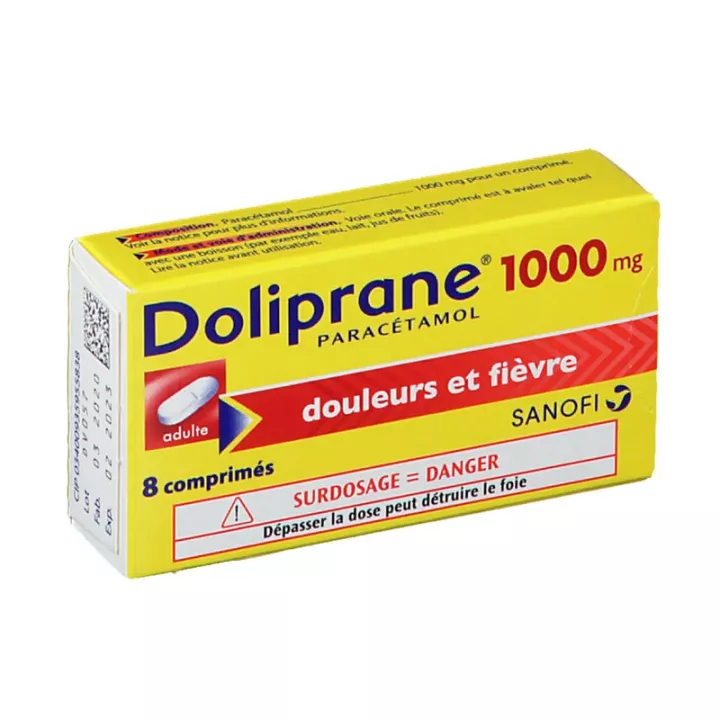
DOLIPRANE 1000 mg 8 tablets DOLIPRANE 1000 mg 8 tablets
€2.99
Add to cart
Shipped within 24h
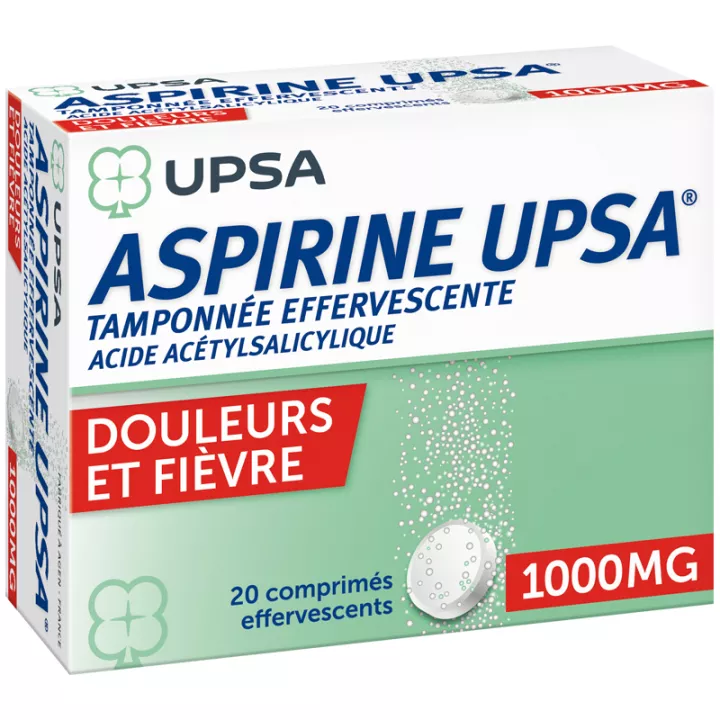
Aspirin 1000MG UPSA Effervescent Tablets Aspirin 1000MG UPSA Effervescent Tablets
€3.99
Add to cart
Shipped within 24h
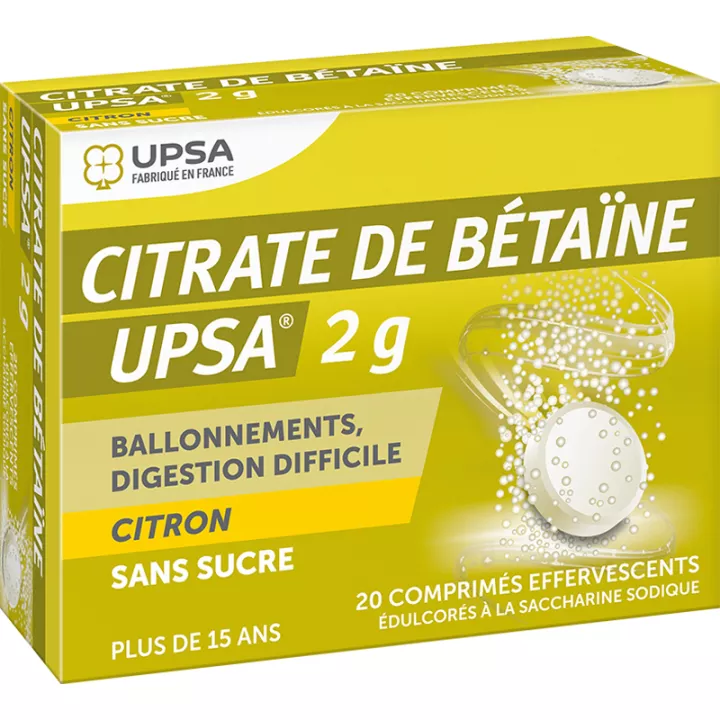
Betaine Citrate UPSA 2G Lemon sugar free Betaine Citrate UPSA 2G Lemon sugar free
€5.29
Shipped within 24h
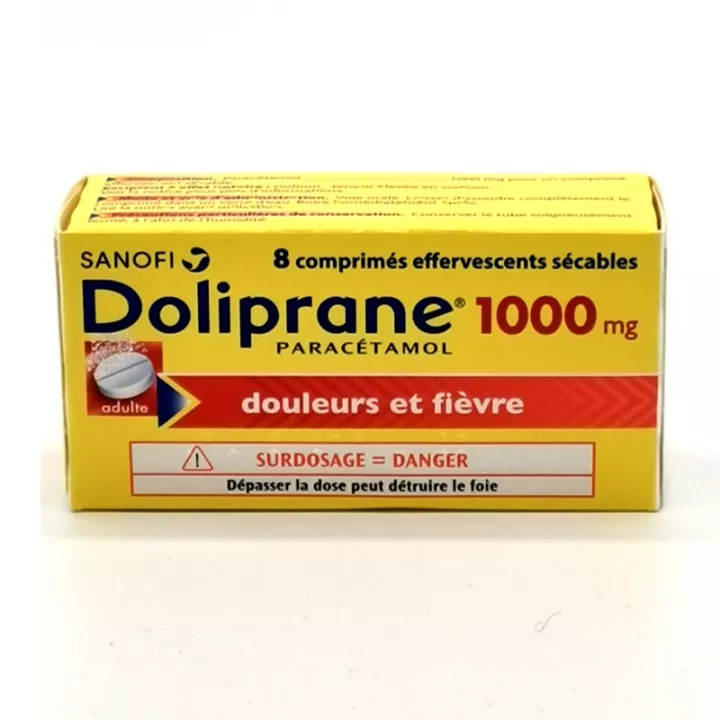
DOLIPRANE 1000 MG 8 TABLETS EFFERVESCENTS DOLIPRANE 1000 MG 8 TABLETS EFFERVESCENTS
€2.99
Add to cart
Shipped within 24h