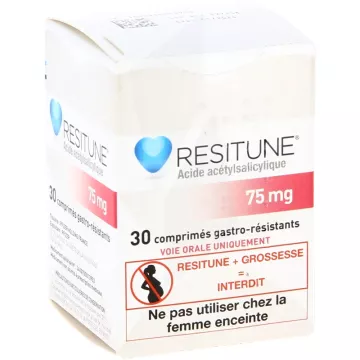
What is aspirin, and what are its mechanisms of action?
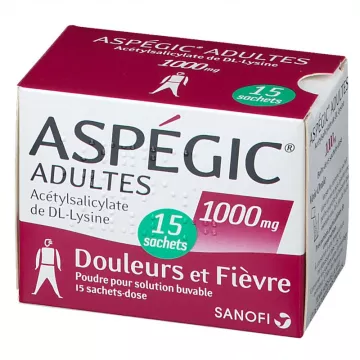
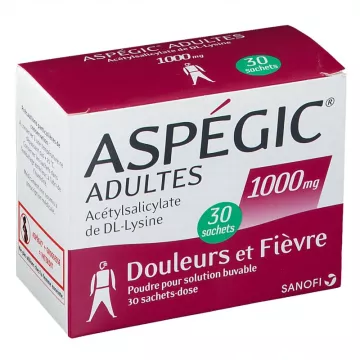
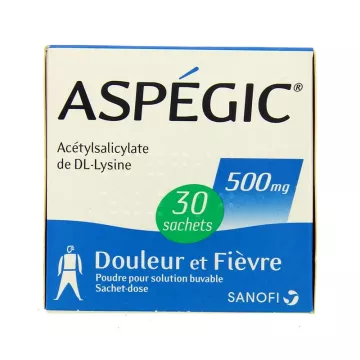
Aspirin (acetylsalicylic acid) is an atypical NSAID—its mechanism of action, which inhibits COX-1 and COX-2, is irreversible, unlike that of other NSAIDs. This property gives it a long-lasting antiplatelet effect that is used in cardiovascular prevention. For everyday pain, discover our range of pain relievers and natural anti-inflammatory ingredients.
- Irreversible COX inhibition: blocks the synthesis of prostaglandins (inflammation, pain, fever) and thromboxanes (platelet aggregation)—for the entire lifespan of the platelet (7–10 days)
- Triple action: analgesic + anti-inflammatory + antipyretic: indicated for mild to moderate pain (headaches, toothaches, muscle aches), fever, and inflammatory conditions such asarthritis
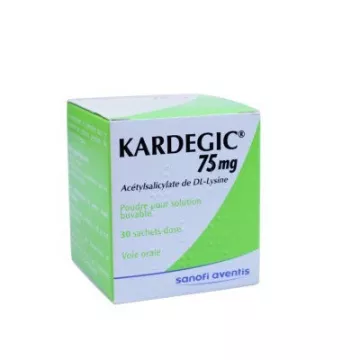
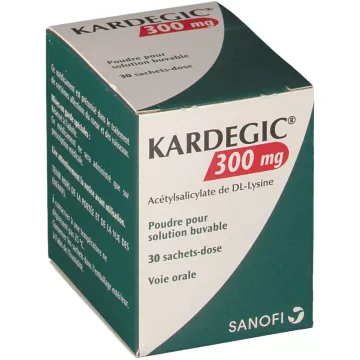
- Antiplatelet action: at low doses (75–100 mg/day)—secondary prevention of heart attacks and strokes in patients with established cardiovascular risk—prescription required
- Aspirin vs. ibuprofen: both are NSAIDs—ibuprofen reversibly inhibits COX—less antiplatelet effect but better gastrointestinal profile with short-term use
- Aspirin vs. acetaminophen: acetaminophen is not an NSAID — no anti-inflammatory or antiplatelet effects — better gastric and renal safety profile
Dosage and indications based on use
The dose of aspirin varies considerably depending on the indication—a common source of medication errors.
- Pain and fever: 500 mg to 1 g every 4–6 hours, max 3 g/day — taken with food to limit gastric irritation
- Secondary cardiovascular prevention: 75–100 mg/day—by prescription only—do not stop abruptly without medical advice (platelet rebound)
- Inflammatory diseases (historically rheumatoid arthritis): high doses of 3–6 g/day — no longer in use; replaced by modern NSAIDs and biologics
- Must be taken with a full glass of water and with a meal—effervescent or enteric-coated forms are preferable for regular use
- Never exceed 3 g/day when self-medicating — if in doubt about the appropriate dosage, consult a pharmacist
Contraindications, Reye’s syndrome, and drug interactions
Aspirin has significant specific contraindications—some of which are life-threatening in children.
- Reye’s syndrome (children): a rare but potentially fatal condition (liver damage + encephalopathy) associated with aspirin in children with a viral infection (flu, chickenpox)—aspirin is strictly contraindicated in children and adolescents under 16 years of age except for strict medical indications
- Pregnancy: contraindicated starting in the 6th month (premature closure of the ductus arteriosus, fetal renal failure) — low doses (100 mg) are sometimes prescribed under strict monitoring during the first trimester (preeclampsia)
- Active gastroduodenal ulcer: absolute contraindication—NSAIDs aggravate or reactivate ulcers
- Anticoagulants (warfarin, heparin, LMWH, DOACs): significantly increased risk of bleeding — combination use permitted only under close medical supervision with INR monitoring
- Other NSAIDs in combination: doubled gastrointestinal risk—avoid simultaneous use of ibuprofen (antagonizes aspirin’s antiplatelet effect)
Natural Alternatives to Aspirin and When to Seek Medical Advice?
- Turmeric (curcumin): inhibits COX-2 and pro-inflammatory pathways — a natural alternative for mild to moderate inflammatory pain — bioavailable formulation (with piperine or liposomal) — use with caution if taking anticoagulants
- Omega-3 (EPA/DHA): reduce pro-inflammatory mediators and have a mild natural antiplatelet effect — a beneficial supplement for cardiovascular prevention
- Active ingredients available in our pain relief line for localized pain without gastric risk
- Consult a doctor if: pain persists after 48 hours of aspirin use, prolonged daily use is necessary, history of ulcers or bleeding, or concomitant anticoagulant therapy
- If overdose is suspected (tinnitus, dizziness, confusion): call 15 immediately—salicylate overdose is a metabolic emergency