What are the main causes of headaches?
Headaches are one of the most common symptoms in medicine: about 90% of adults experience them at least occasionally. They fall into two main categories:
- Primary headaches (without an underlying organic cause): tension headaches (the most common, linked to stress and neck muscle tension), migraines, and cluster headaches.
- Secondary headaches: a symptom of another medical condition (high blood pressure, sinusitis, viral infections, uncorrected vision problems, hypoglycemia, dehydration, caffeine withdrawal).
Identifying the type of headache and its triggers allows for a tailored prevention and treatment strategy. A headache diary (recording frequency, duration, location, and triggers) is a valuable diagnostic tool to share with your doctor.
How does magnesium help with headaches?
Magnesium is the most well-documented micronutrient for headache prevention, particularly migraines. Its mechanisms of action:
- Regulation of neurotransmission: Magnesium inhibits NMDA glutamate receptors, whose overactivation is implicated in triggering migraine attacks.
- Cerebral vasomotor function: It regulates the contraction of vascular smooth muscle, stabilizing the tone of the cerebral arteries.
- Reduction of oxidative stress and neuronal inflammation.
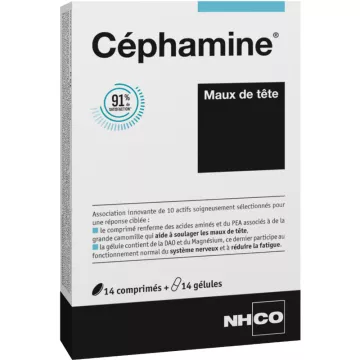
Randomized clinical trials show that magnesium supplementation (600 mg of citrate or glycerophosphate per day) reduces the frequency of migraines by 41% compared to a placebo. Vitamin B2 (riboflavin, 400 mg/day) also has a recognized health claim regarding the reduction in migraine frequency, according to the European Headache Federation. Coenzyme Q10 (300 mg/day) rounds out this preventive trio by optimizing mitochondrial energy production in neurons, a deficiency of which is implicated in the pathophysiology of migraines.
What natural remedies relieve headaches?
Several natural approaches have been shown to be effective for tension headaches or occasional headaches:
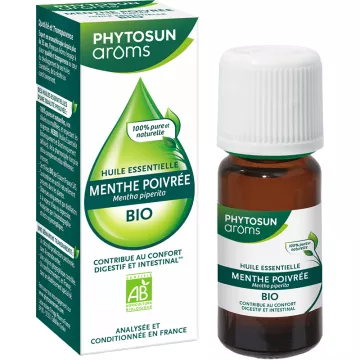
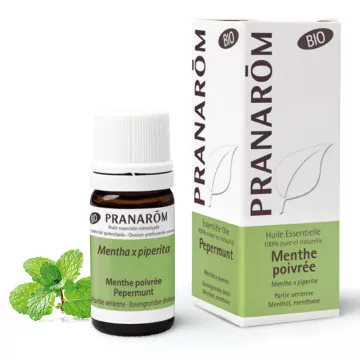
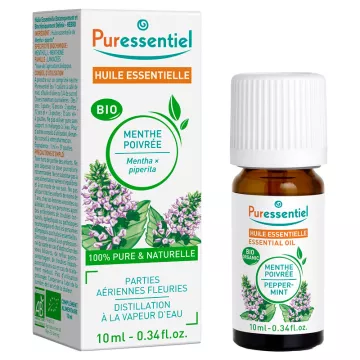
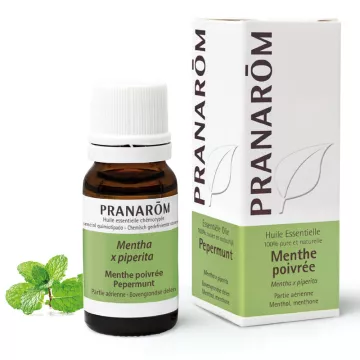
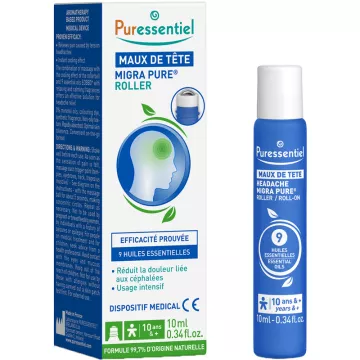
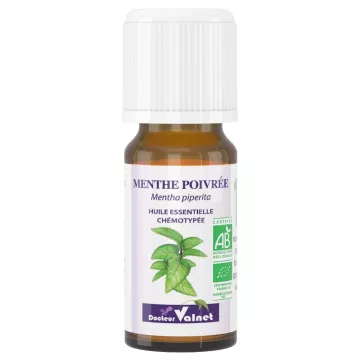
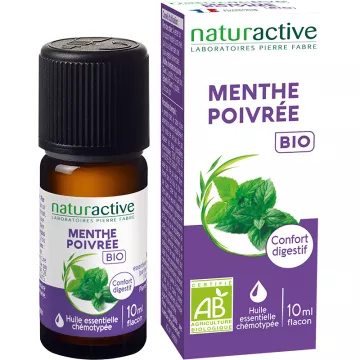
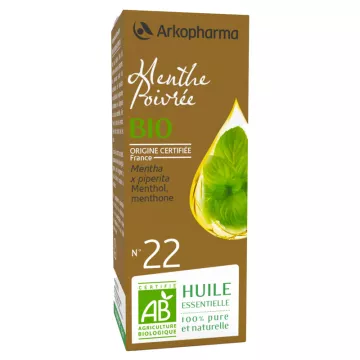
- Peppermint essential oil (Mentha piperita): when applied in diluted form to the temples and forehead, it exerts a local analgesic effect by activating TRPM8 receptors. Comparative studies show efficacy comparable to 1 g of acetaminophen for mild to moderate tension headaches.
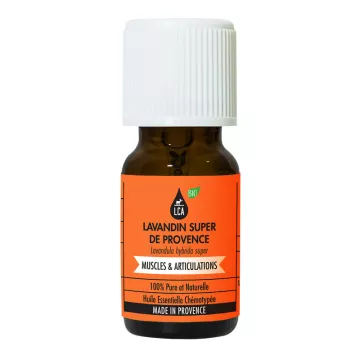
- Lavenderaromatherapy: When diffused or inhaled, it reduces anxiety and neuromuscular tension that contribute to tension headaches.
- Cold compress: When applied to the forehead or the back of the neck during migraines, it reduces cerebral vasodilation, which is responsible for the throbbing pain.
- Hydration: Even mild dehydration can trigger or worsen headaches. Drinking 500 ml of water may be enough to relieve a mild headache within 30 to 60 minutes.
How do stress and sleep affect headaches?
Stress and sleep disturbances are the two main triggers of tension headaches. Chronic stress keeps the occipital and temporal muscles tense, compressing the blood vessels and nerves in the scalp. Lack of sleep lowers the pain threshold via the cortisol-serotonin axis and increases the production of pro-inflammatory prostaglandins. Valerian (Valeriana officinalis) and passionflower are mild sedative herbs that improve sleep quality and reduce anxiety without the risk of dependence—two factors that indirectly help reduce the frequency of tension headaches.
What foods and behaviors trigger headaches?
Diet can trigger or worsen headaches in susceptible individuals. The main dietary triggers are:
- Tyramine (aged cheeses, red wines, cured meats): causes the release of norepinephrine and cerebral vasodilation.
- Monosodium glutamate (processed foods, Asian sauces): directly stimulates glutamatergic NMDA receptors.
- Alcohol (histamine in red wines, acetaldehyde): a powerful cerebral vasodilator.
- Caffeine withdrawal: Abruptly stopping caffeine after regular consumption of >200 mg/day causes rebound vasodilation within 12 to 24 hours.
Fasting and insufficient meals trigger relative hypoglycemia, which stimulates the release of cortisol and adrenaline, promoting headaches. Maintaining regular meals with a moderate glycemic index is an effective preventive measure.
When should you seek medical attention for headaches?
Most headaches are benign, but certain warning signs require urgent medical attention:
- “Thunderclap” headache: sudden onset within one minute of pain at maximum intensity—neurological emergency (suspected ruptured aneurysm).
- Headache accompanied by a fever > 38.5 °C, stiff neck, and sensitivity to light—infectious emergency (suspected meningitis).
- Headache associated with neurological deficits (speech difficulties, paralysis, visual disturbances)—neurovascular emergency (suspected stroke).
- Chronic daily headache (> 15 days/month for > 3 months) or a recent change in the characteristics of a known headache.
In all these cases, self-medication is contraindicated, and immediate medical attention is required.