What is the flu, and how can you tell it apart from a cold?
The flu is an acute respiratory infection caused by the influenza A or B viruses—which are very different from the rhinoviruses that cause the common cold. This distinction is important because the flu can lead to serious complications in vulnerable individuals, whereas a common cold (an infection caused by other respiratory viruses) is generally mild. Natural remedies for winter illnesses and respiratory conditions are available in the store.
The hallmark of true flu is its sudden onset: a person may feel perfectly fine in the morning and be bedridden with a fever of 39–40 °C by evening. This “thunderclap” onset, characterized by high fever, intense chills, myalgia (muscle aches), and headaches, is characteristic of influenza. A cold/coryza develops gradually over 1 to 2 days, with predominant nasal symptoms and little or no fever.
- Flu symptoms: sudden high fever (39–40 °C) — intense chills — myalgia (widespread muscle pain) — headache — intense, debilitating fatigue — dry cough — moderate nasal congestion (less pronounced than with a common cold) — loss of appetite
- Differentiating between the flu, a cold, and COVID-19: cold (gradual onset, nasal symptoms, little or no fever) — flu (sudden onset, high fever, muscle aches, intense fatigue) — COVID-19 (variable, may include loss of smell/taste, gastrointestinal symptoms, unpredictable course — diagnostic testing recommended in cases of doubt)
- Duration: acute phase 5 to 7 days — fever 3 to 4 days — fatigue and cough may persist for 2 to 3 weeks — persistent severe fatigue after 3 weeks warrants a medical consultation
- Transmission: respiratory droplets (coughing, sneezing) and indirect contact — highly contagious during the 24 hours before symptoms appear and for the first 5 to 7 days — seasonal pattern: October through March in metropolitan France
How is the flu treated, and when should you see a doctor?
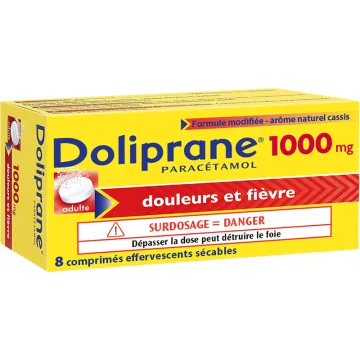
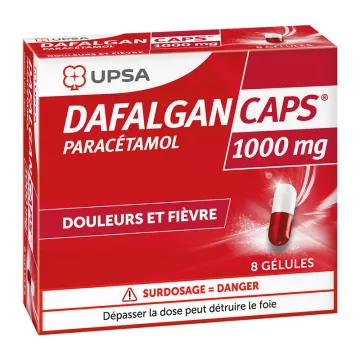
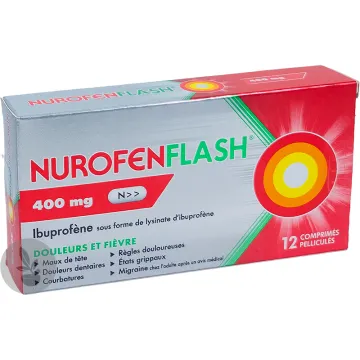
There is no over-the-counter treatment available to cure the flu. Treatment consists of rest, hydration (1.5 to 2 L/day—fever increases fluid needs), and fever-reducing and pain-relieving medications (acetaminophen as a first-line treatment; ibuprofen should be used with caution). Antibiotics are ineffective against influenza viruses—their prescription is justified only if a bacterial superinfection (pneumonia, sinusitis, otitis) is confirmed. Antiviral medications (oseltamivir—Tamiflu) are reserved for patients at risk of complications and should be started within 48 hours of symptom onset.
- Complementary natural remedies: honey in warm herbal tea (soothes the throat and cough) — vitamin C (supports the immune system) — zinc (taken early, reduces the duration of respiratory symptoms) — vegetable or chicken broth (hydration + electrolytes + comfort) — ginger and honey tea (anti-inflammatory)
- Diet during the flu: Choose foods that are easy to digest — fruits rich in vitamin C (oranges, kiwis) — soups and broths — avoid fatty or very spicy foods — appetite is often reduced; do not force yourself to eat — hydration takes priority over food
- Warning signs that require medical attention: fever > 40 °C or a fever rebound after improvement — difficulty breathing or shortness of breath — chest pain — confusion or unusual drowsiness — no urine output (severe dehydration) — bluish lips or nails — in infants: any fever, refusal to feed
- People at risk for complications: > 65 years old — infants < 6 months — pregnant women — obese individuals — people with COPD, asthma, diabetes, heart or kidney failure, or immunosuppression — seek medical attention at the first sign of symptoms
How can you prevent the flu and limit its spread?
The annual flu vaccine is the most effective preventive measure—influenza viruses mutate every year, which is why an annual vaccine updated to match circulating strains is necessary. It is recommended and covered by insurance for at-risk individuals (those over 65, those with chronic conditions, pregnant women, and healthcare workers). It is 40–70% effective against infection but significantly reduces hospitalizations and deaths among the elderly and frail.
- Preventive measures: Wash hands for 20 seconds with soap or hand sanitizer—use single-use disposable tissues—wear a mask if you have symptoms (to protect those around you)—regularly ventilate rooms (15 minutes twice a day) — avoid gatherings during an outbreak if you are vulnerable
- Boost immunity as a winter preventive measure: get enough sleep (7 to 9 hours—sleep deprivation increases the risk of infection)—engage in regular moderate physical activity—eat a diet rich in vitamin C, zinc, and vitamin D—manage chronic stress
- Recovery: Gradually resume activities after the fever has subsided — do not rush a premature return to normal activities (risk of relapse and complications) — post-flu fatigue can last 2 to 3 weeks — rest and hydration remain priorities