Warts are benign skin growths caused by the human papillomavirus (HPV), which has more than 200 serotypes, about 40 of which infect the skin and mucous membranes. The main clinical types are:
Propolis (plant resin collected by bees, containing flavonoids and caffeic acid esters) is a natural broad-spectrum antiviral whose inhibitory activity against HPV has been documented in several preliminary studies.
HPV is a strictly intraepidermal virus that evades immune surveillance by causing neither cell lysis nor local inflammation. The spontaneous resolution of warts (in 65 to 78% of patients within 2 years) is correlated with the activation of a specific cellular immune response (anti-HPV cytotoxic T lymphocytes). Immunocompromised individuals develop multiple, widespread warts that are resistant to conventional treatments. Strengthening the immune system with adaptogenic and immunostimulant herbs can accelerate viral clearance.Echinacea (Echinacea purpurea, alkamides, and polysaccharides) is the best-documented immunostimulant herb for the cellular antiviral response—it activates macrophages, NK cells, and cytotoxic T lymphocytes.
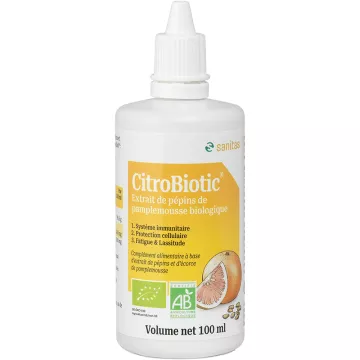
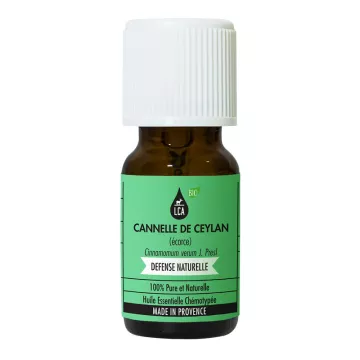
Grapefruit seed extract (Citrobiotics, bioflavonoids, and phenolic compounds) is a broad-spectrum natural antiseptic—bactericidal, antifungal, and antiviral—used topically in diluted form or orally for its immunomodulatory effect on the wart-affected area. Royal jelly (10-HDA, royalactin), bergamot (linalool, furocoumarins), and lemon essential oil exert complementary antiviral and immunostimulatory effects. These natural active ingredients are always used as a supplement to local keratolytic treatments—never as a substitute—to optimize the underlying antiviral immune response.
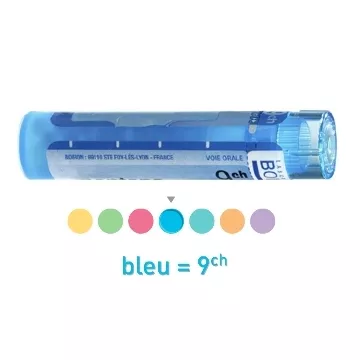
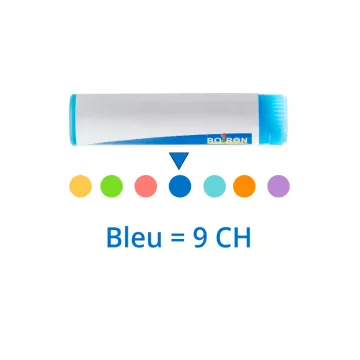
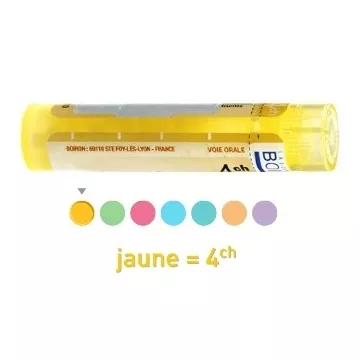
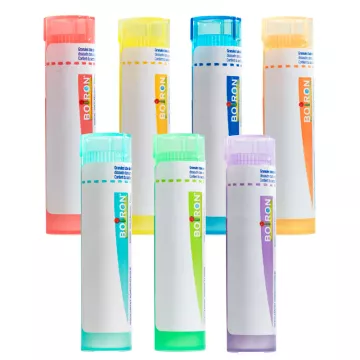
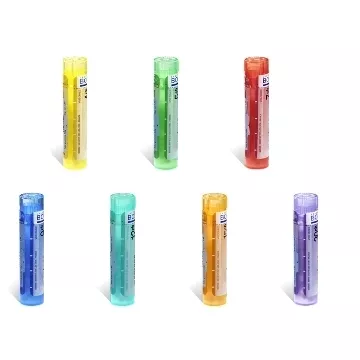
Constitutional homeopathy addresses the underlying infectious condition rather than the isolated wart. Thuja occidentalis remains the standard treatment (fleshy, pedunculated, moist warts). Dulcamara targets flat, smooth warts on the face that are aggravated by cold and humidity. Natrum sulfuricum is suitable for soft, yellowish warts in individuals with a damp constitution. Medorrhinum is the remedy for the sycotic constitution (multiple warts that recur despite treatment). Staphysagria is indicated for warts that develop after trauma or surgery. These remedies are used in 9CH to 15CH potencies in 3-month courses of treatment, in combination with topical treatments. Royal jelly (10-HDA, decanedioic acid) strengthens overall immune function and usefully complements constitutional homeopathic treatments.
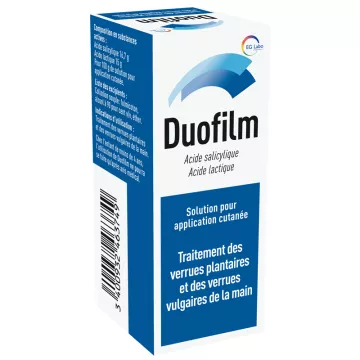
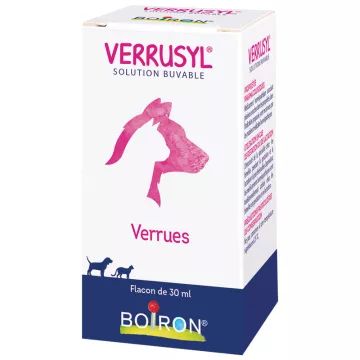
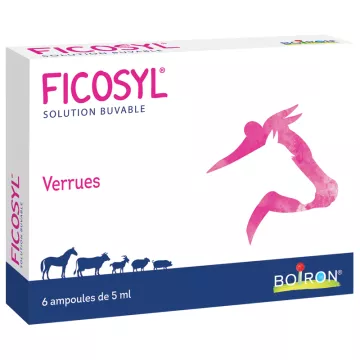
Primary prevention relies on reducing exposure to HPV: wearing sandals in damp communal areas, protecting small cuts and skin cracks, not biting your nails, and not scratching existing warts (direct self-inoculation). Spread is prevented by avoiding shaving wart-affected areas and exposing them to repeated microtrauma. Specific veterinary formulations are available for treating warts in dogs and cats—HPV can affect several domestic animal species (serotypes different from those that infect humans). Plantar warts and common warts on the hands share the same risk factors but differ in their primary local treatment approaches.
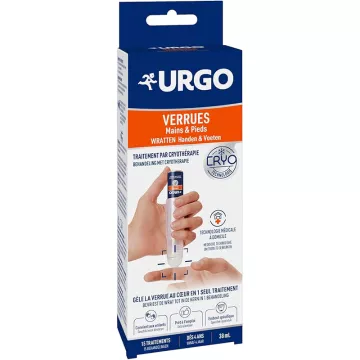
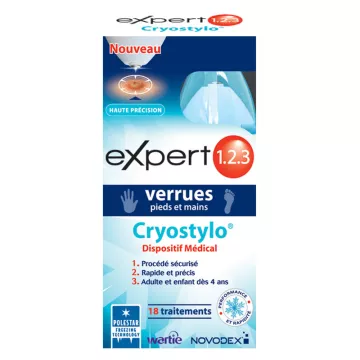
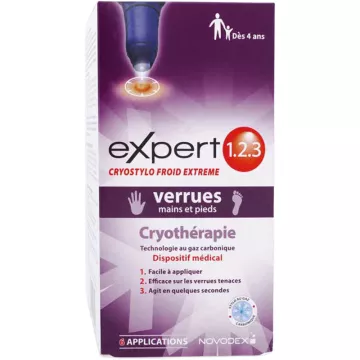
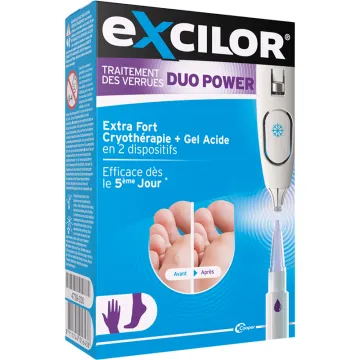
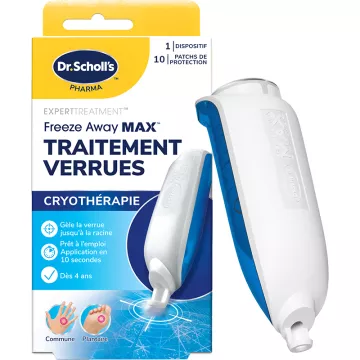
A dermatology consultation is necessary in several situations: large warts (> 1 cm), periungual or genital warts (condylomas), multiple disseminated warts, resistance to 3 months of properly administered treatment, diagnostic uncertainty (achromic acral melanoma, superficial basal cell carcinoma, keratoacanthoma), and any wart in an immunocompromised patient. The dermatologist has several treatment options available: professional cryotherapy at -79°C, concentrated trichloroacetic acid, CO₂ laser, topical immunotherapy (imiquimod, candidine), electrodessication, or surgical excision.Lemon essential oil (limonene, γ-terpinene) can be applied in diluted form as a local adjunct between treatment sessions, due to its antiseptic and astringent effects on small, early-stage superficial lesions.