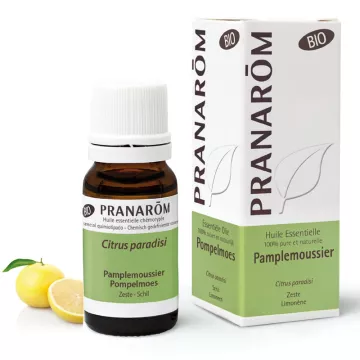
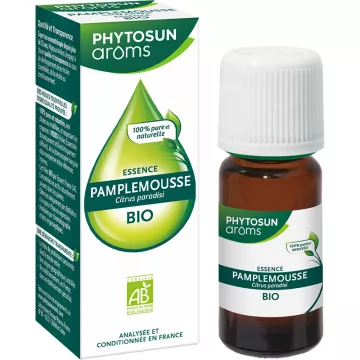
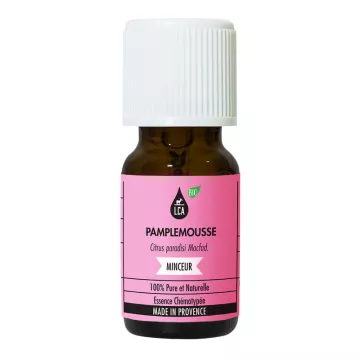
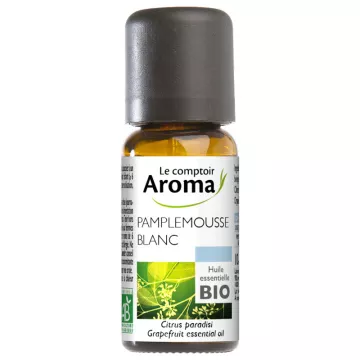
Grapefruit essential oil (Citrus paradisi, cold-pressed peel) is dominated by limonene (88–95%), supplemented by β-pinene, myrcene, and nootkatone. Its key characteristics:
Vitamin C is present in the fresh fruit (35–40 mg/100 g) but absent from the essential oil. The essential oil obtained by steam distillation is free of furanocoumarins.
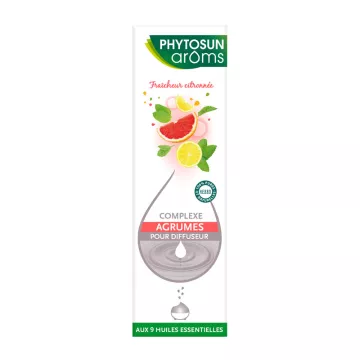
Grapefruit essential oil combines three modes of action. When diffused into the air, its limonene exerts a toning effect, stimulates the central nervous system, and has mild antidepressant properties—particularly useful in the morning for energy and concentration. When applied to the skin in a highly diluted form (1–3% in a vegetable oil), limonene has a mild draining effect on adipose tissue and skin microcirculation—hence its use in treatments for cellulite and heavy legs. When used as an air purifier, its high limonene content provides a mild antimicrobial effect.
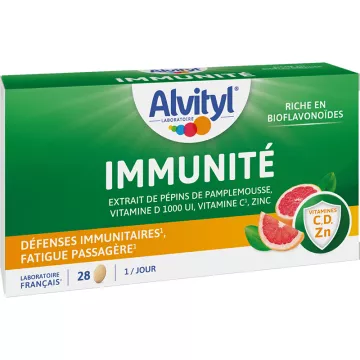
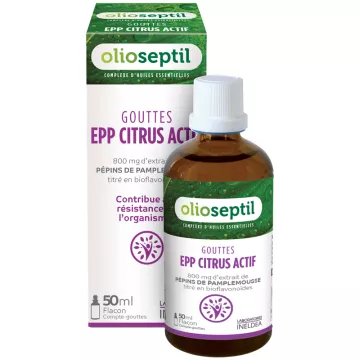
Grapefruit seed extract (GSE) and essential oil (EO) are two completely distinct products. Essential oil is obtained by pressing the peel (limonene and aromatic terpenes) and is used in aromatherapy and diffusion. GSE is an aqueous/hydroalcoholic extract of the seeds (bioflavonoids—naringenin, hesperidin—and polyphenols), used as a natural broad-spectrum anti-infective (antibacterial, antifungal). Studies have shown that the antimicrobial effect of certain commercial PPE is partly due to synthetic preservatives—the quality of the source is crucial.An allergy to grapefruit or citrus fruits is a contraindication for the use of PPE and essential oil.
Grapefruit’s drug interactions are among the most well-documented in clinical pharmacology—its furanocoumarins (bergamottin, naringenin) inhibit the CYP3A4 enzymes of the intestinal cytochrome P450, which are responsible for the metabolism of many medications. This inhibition can significantly increase the plasma concentration of statins (risk of rhabdomyolysis), immunosuppressants, oral anticoagulants, and certain antihypertensives. This interaction is associated with grapefruit juice and polyphenolic extracts (PPE)—the risk is lower for essential oil used in diffusion but remains a real concern for any oral use. When taking statins for cholesterol, grapefruit juice and PPE must be strictly avoided.
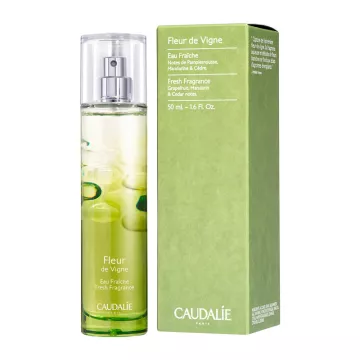
In cosmetics, grapefruit essential oil is used for its skin-toning properties (it minimizes the appearance of pores and enhances the complexion’s radiance) and its fresh, fruity aroma. Grapefruit-based refreshing toners and mists harness its aromatic and slightly astringent properties without the risk of photosensitization (formulated extracts). Ravintsara (Cinnamomum camphora CT cineole) is an immunostimulant essential oil often used in aromatic synergy with citrus fruits—its cineole and α-terpineol complement the toning effect of grapefruit in winter defense blends.
There are numerous precautions associated with grapefruit (essential oil and grapefruit peel extract). Photosensitization is the primary concern: cold-pressed essential oil must never be applied to the skin before sun or UV exposure (risk of irreversible actinic burns). Drug interactions (CYP3A4) apply to both the juice and the fruit pulp extract—this must always be mentioned in cases of polypharmacy. An allergy to citrus fruits contraindicates any use. The essential oil is not recommended during pregnancy (first trimester) or for direct topical application on young children. Omega-3s (EPA + DHA) may interact with anticoagulants in the same way as grapefruit extract—in cases of multiple treatments, professional advice is recommended before combining grapefruit with cardiovascular supplements.