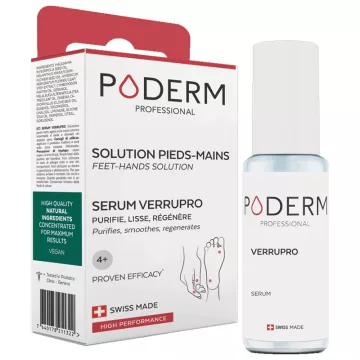
A plantar wart is a viral skin infection caused by the human papillomavirus (HPV)—HPV1 for myrmexia (deep, solitary wart, very painful when pressure is applied from the side) and HPV2 for mosaic warts (superficial, clustered, less painful). It is transmitted through contact with contaminated surfaces (swimming pools, locker rooms) via microscopic skin lesions. Plantar warts are often confused with calluses (friction-induced hyperkeratosis)—the distinction is based on two criteria: dermatoglyphic lines are interrupted over the wart (never over a callus), and the wart is painful when lateral pressure is applied (pinching), whereas the callus is painful when direct pressure is applied. The cluster of black dots (capillary thromboses of the dermal papillae) is the pathognomonic sign of a wart.
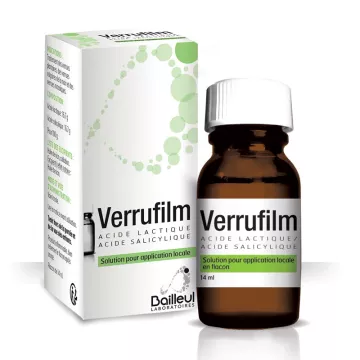
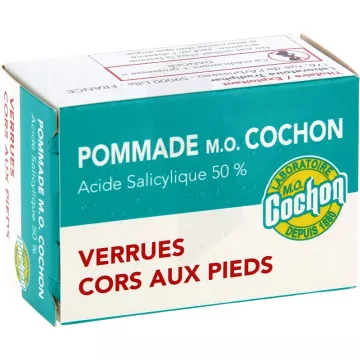
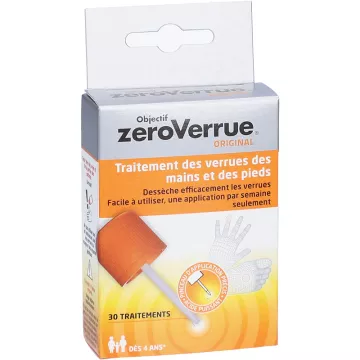
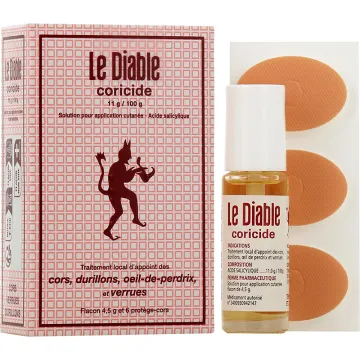
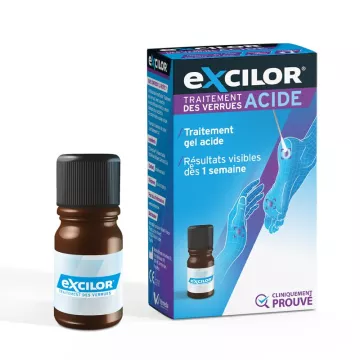
Salicylic acid (15–25%) is the first-line treatment—with an efficacy rate of 50 to 70% at 12 weeks with strict daily application. The standard protocol is:
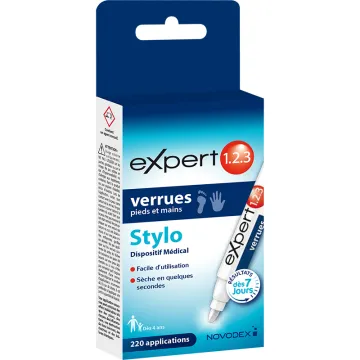
Monochloroacetic acid is reserved for stubborn or widespread warts. Buffered nitric acid (Novodex Expert) chemically cauterizes the viral tissue in just a few applications.
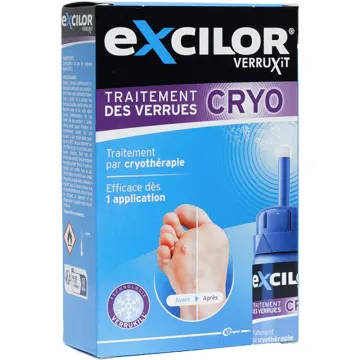
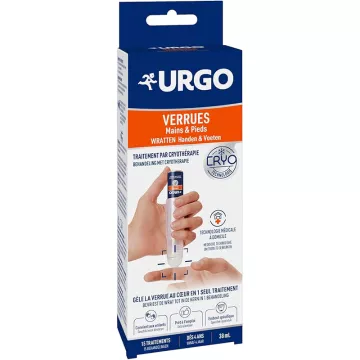
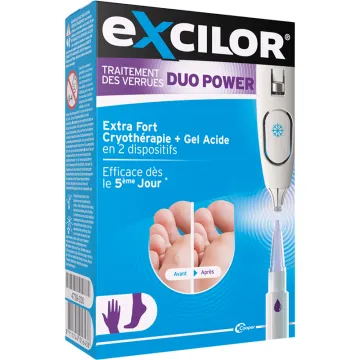
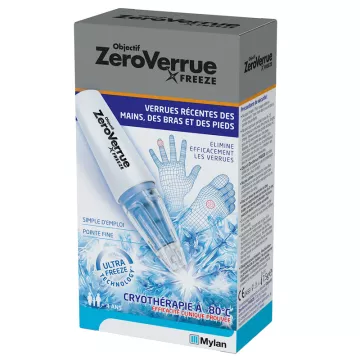
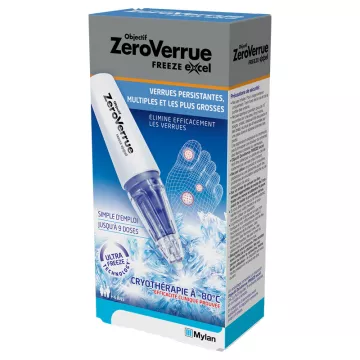
Cryotherapy (dimethyl ether + propane, -40°C) causes necrosis of the wart tissue through the formation of intracellular ice crystals. The application lasts 10 to 40 seconds depending on the size and should be repeated every 2 to 4 weeks. These devices are suitable for superficial solitary warts —deep plantar warts often require 4 to 8 sessions in a doctor’s office (-79°C, dry ice). A cryonecrosis blister appears within 24–48 hours and resolves spontaneously within a week.
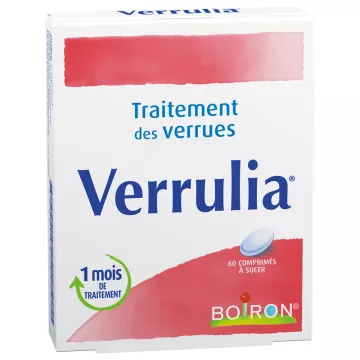
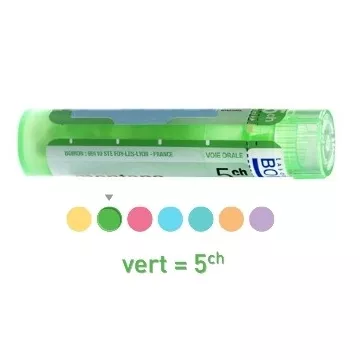
Homeopathy offers several traditionally used remedies: Thuja occidentalis (fleshy, pedunculated, or moist-at-the-base warts), Antimonium crudum (hard, cornified warts and associated calluses), Causticum (flat or filiform warts), Ranunculus sceleratus (warts that are painful to the touch). Systemic homeopathy (combination formulas) acts on the general immune system and complements local treatments. These approaches fall under the realm of traditional medicine, and their effectiveness has not been demonstrated by Level 1 clinical studies—they may be used as a supplement to keratolytics or after conventional treatments have failed. Athlete’s foot (Tinea pedis) must be distinguished from warts before any treatment is initiated—it requires specific antifungal medications.
Prevention relies on reducing exposure to HPV in high-risk areas. Wearing sandals in public wet areas, drying your feet thoroughly (especially between the toes), not sharing towels or shoes, and disinfecting communal showers reduce the risk of infection. Nail fungus often occurs alongside warts in people exposed to the same risk factors—strict nail hygiene helps prevent their simultaneous development.
A medical or podiatric consultation is necessary in several situations: a very painful wart that prevents normal walking; a wart that remains resistant after 3 months of properly administered keratolytic treatment; an extensive mosaic wart; diagnostic uncertainty (differential diagnosis with keratoderma, achromic acral melanoma, or epithelioma), or in patients with diabetes or immunosuppression (risk of bacterial superinfection and rapid spread). The physician has additional treatment options: professional cryotherapy at -79°C, 80% trichloroacetic acid, CO₂ laser, local immunotherapy (imiquimod, Candida antigen), or electrodessication. Regular foot care allows for the early detection and treatment of developing warts, before they grow to a size that requires aggressive treatments.