0
Menu

Calluses - Treatment & Care for Smooth Feet

Filter
Number of products : 11
Sort
Sort
Close
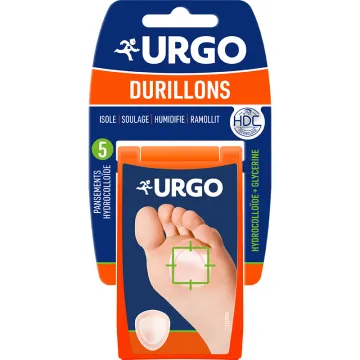
Urgo Callus Bandages, Box of 5 Urgo Callus Bandages, Box of 5
€7.90
Shipped within 24h
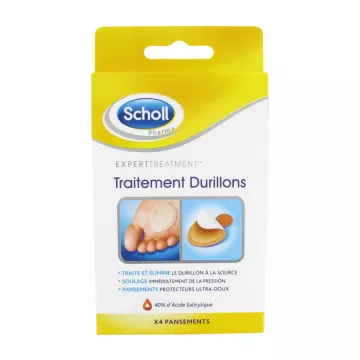
Scholl 4 Coricidal Dressings for Calluses Scholl 4 Coricidal Dressings for Calluses
€7.55
Shipped within 24h
Alvadiem Active Pre-Care Lotion Calluses Corns & Calluses 100ml Alvadiem Active Pre-Care Lotion Calluses Corns & Calluses 100ml
€6.99
Shipped within 24h
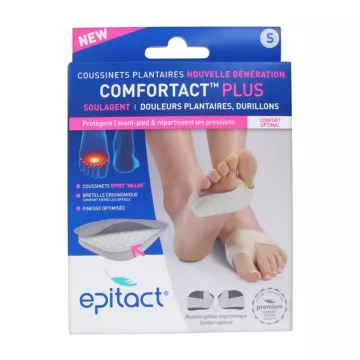
Epitact Comfortact Plus foot pads 1 pair Epitact Comfortact Plus foot pads 1 pair
S M +
€29.86
Add to cart
Shipped within 24h
RANUNCULUS SCELERATUS pellets Boiron homeopathy RANUNCULUS SCELERATUS pellets Boiron homeopathy
5 C
€2.99
Add to cart
Shipped within 24h
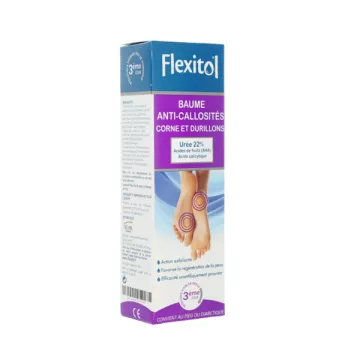
Flexitol Anti-Horn and Callus Balm 56g Flexitol Anti-Horn and Callus Balm 56g
€7.55
Shipped within 24h
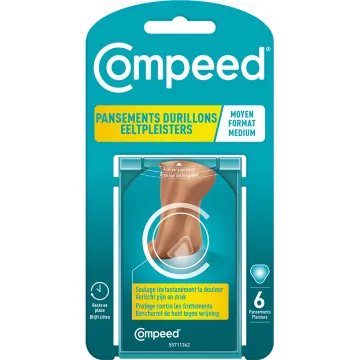
Compeed Bristle Bandages Box of 6 Compeed Bristle Bandages Box of 6
€7.99
Ships in 5-7 business days

What is a callus?

A callus is an area of skin that becomes hard and thick as a result of repeated friction or continuous pressure. This phenomenon is the skin’s protective response to external irritants. Calluses are often confused with corns, but unlike corns, they do not have a hard central core. They usually appear on the feet, particularly on the toes, heels, or soles.

How can you recognize a callus?

Calluses appear as a layer of thickened, hardened skin, often yellow or gray in color. The affected area may be larger and less clearly defined than that of a corn. These calluses may be slightly painful when pressed but are generally less painful than corns.

What are the main causes of calluses?

Calluses are mainly caused by:

  • Wearing ill-fitting shoes: shoes that are too tight or too loose, which cause friction against the skin.
  • Foot deformities: such as bunions (hallux valgus) or hammertoes, which increase pressure on certain areas of the foot.
  • Frequent walking or repetitive activities: which exert continuous pressure on the feet.

What are the best ways to prevent calluses?

To prevent calluses from forming, it is recommended that you:

  • Choose appropriate shoes: comfortable, with enough room for the toes, and that provide good foot support.
  • Use orthopedic insoles: if needed, to distribute pressure more evenly across the soles of the feet.
  • Moisturize your feet regularly: Applying a moisturizing cream can help keep the skin supple and prevent hardening.

How do you treat a callus?

There are several approaches to treating calluses:

  • Using a pumice stone or foot file: to gently reduce the thickness of the callus.
  • Keratolytic creams: These contain substances like salicylic acid to soften hardened areas.
  • Consulting a podiatrist: for professional treatment, especially in cases of persistent or painful calluses.

Can calluses indicate other health problems?

Although calluses are generally benign, their presence can sometimes signal problems with foot alignment or pressure distribution, which may require evaluation by a podiatrist. In addition, people with diabetes should be particularly vigilant when calluses are present, as they are at risk for complications such as foot ulcers.

Can you remove a callus yourself?

It is possible to treat a callus at home using gentle, non-invasive methods. Here are a few steps to follow:

  1. Soften the skin: Soak your feet in warm water for about 20 minutes to soften the hardened skin.
  2. Exfoliation: Use a pumice stone or a foot file to gently rub the affected area and remove dead skin. Proceed with caution to avoid damaging the surrounding healthy skin.
  3. Moisturize: After exfoliating, apply a moisturizer specially formulated for feet to nourish and protect the skin.

It is important not to use sharp objects to cut or remove calluses, as this could cause injuries and infections.

When Should You See a Professional for a Callus?

It is advisable to see a podiatrist or other foot care specialist in the following cases:

  • If the callus is extremely painful or getting worse.
  • If you have pre-existing medical conditions such as diabetes or poor circulation, which increase the risk of complications.
  • If home treatment methods do not produce results after several weeks.

A professional can offer more advanced treatments, such as custom orthotics or procedures to correct foot deformities.

Can children develop calluses?

Yes, children can also develop calluses, especially if they are very active or wear ill-fitting shoes. It is crucial to ensure that a child’s shoes fit their feet properly, providing adequate support and enough room for the toes. Parents should check their children’s feet regularly for any developing calluses and seek medical advice if necessary.