Calluses, also known as hyperkeratosis, refer to a thickening of the outer layer of the skin, primarily caused by excessive keratin production. This condition is usually caused by repeated friction, constant pressure on certain areas of the body, or underlying skin conditions such as psoriasis or eczema.
Calluses mainly appear on areas subject to frequent mechanical stress: the feet (especially the heels), hands, and elbows. People who perform manual labor or spend long periods standing are most at risk for this condition.
Preventing calluses involves several simple steps:
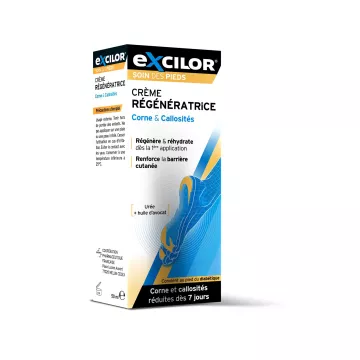
Treatments for calluses vary depending on the extent and location of the thickening. Several recognized approaches include:
Although calluses are generally benign, they can sometimes indicate more serious conditions. Diabetes or circulatory disorders are among the possible causes, particularly when calluses affect the feet. A medical consultation is necessary if the callus is accompanied by pain, redness, or infection.
It is important to distinguish calluses from other conditions such as warts or corns. Calluses are characterized by a localized, dense buildup of keratin with no defined edges, whereas warts often have a harder center surrounded by lighter-colored skin. Calluses, on the other hand, generally cover a larger area but are less thick. An evaluation by a dermatologist may be necessary to make an accurate diagnosis.
Self-treating a callus without professional advice can lead to infections or skin injuries, especially when using unsterilized instruments. It is best to consult a doctor to receive safe and appropriate treatment—especially if you have preexisting medical conditions such as diabetes, which increase the risk of infection.
Some natural remedies can help moisturize and soften calluses, which in turn makes them easier to treat. Regular application of plant-based oils—such as coconut oil or argan oil—provides beneficial nourishment for the skin. However, these methods should be used only as a supplement to treatments recommended by healthcare professionals.
A balanced diet, rich in vitamins and minerals, supports overall skin health. Adequate hydration combined with sufficient intake of vitamin A and omega-3 fatty acids promotes more supple skin and can help prevent the development of calluses. You should also limit foods that are high in sugar and saturated fats, as these can worsen skin problems.
Consult a healthcare professional if at-home treatments do not yield satisfactory results or if calluses recur frequently. A consultation with a dermatologist or podiatrist can help identify the underlying cause and tailor the treatment plan. Any pain, redness, bleeding, or signs of infection around the affected areas also require a medical evaluation to rule out complications.