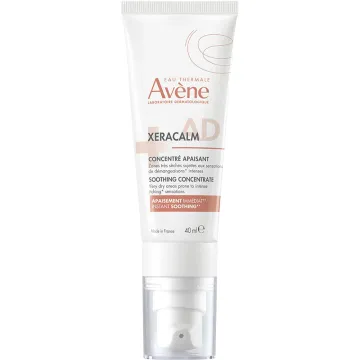
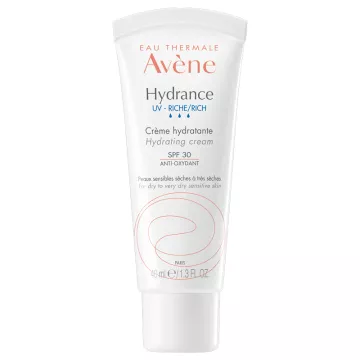
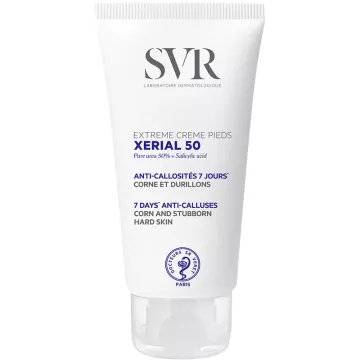
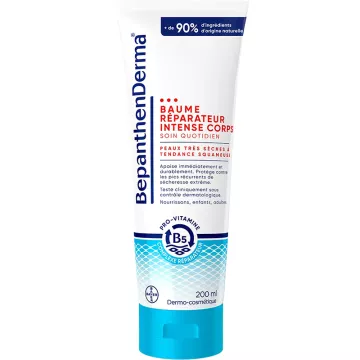
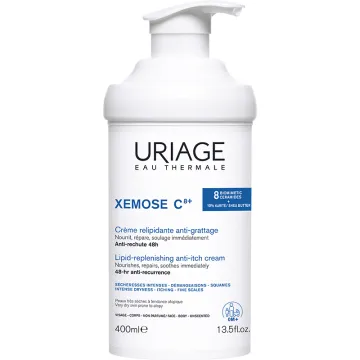
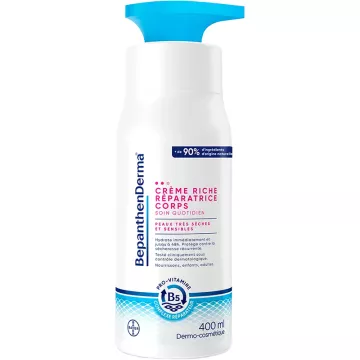
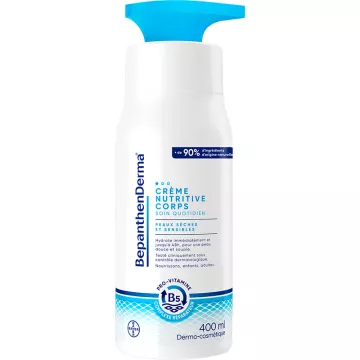
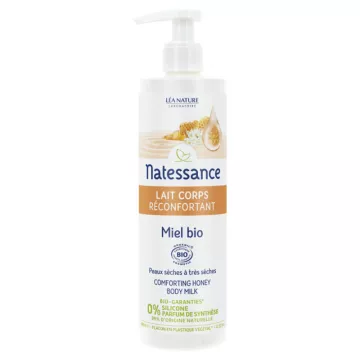
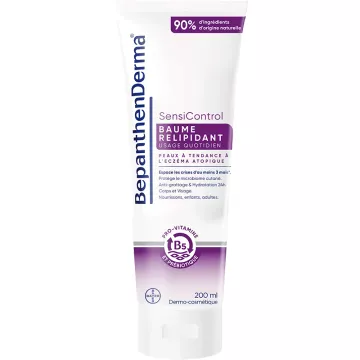
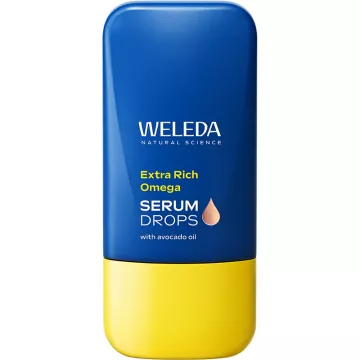
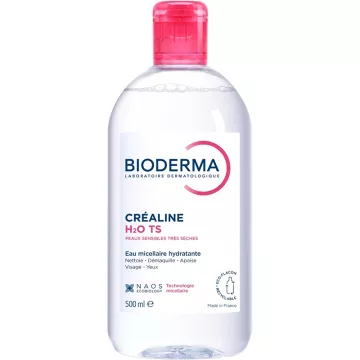
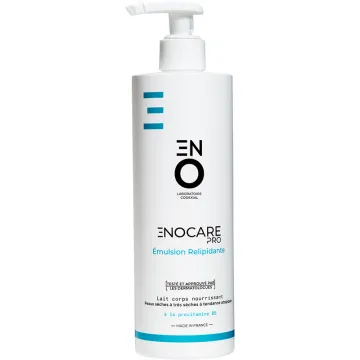
Very dry skin refers to a severe form of xerosis characterized by significant loss of moisture, a marked impairment of the skin barrier, and significantly insufficient sebum production. It goes beyond simple dry skin in terms of the intensity of symptoms and its impact on daily comfort.
Several characteristic signs help identify it: persistent tightness even after moisturizing, a noticeably rough texture to the touch, visible flaking in patches or scales, diffuse redness on exposed areas, sometimes painful cracks (hands, feet, lips, skin folds), frequent itching that can disrupt sleep, and increased sensitivity to usual skincare products. The skin may appear cracked, sometimes likened to parched soil.
This condition requires more rigorous management than simple moderate dryness, but lasting relief can be achieved with a well-structured routine. Additional resources are available for dry skin and the skin barrier in general.
The causes of severe skin dryness are numerous and often interrelated:
Identifying modifiable factors guides the treatment strategy.
Several situations warrant increased vigilance or a medical consultation. Local signs to watch for include: deep or painful cracks that do not heal, oozing, scabs, well-defined patches with thick scales, marked and persistent redness, intense itching that disrupts sleep, rapid spread of the rash, and symmetrical involvement suggestive of a constitutional dermatosis.
Associated systemic signs suggest a systemic cause: persistent fatigue, sensitivity to cold, unexplained weight gain (hypothyroidism), excessive thirst and frequent urination (diabetes), edema (renal failure), and dry eyes and mouth (Gougerot-Sjögren syndrome).
A dermatology or general medical consultation is necessary if symptoms persist despite appropriate care, if they impact quality of life, or if they have recently appeared without an obvious cause. Specific resources are available for itching andeczema in general.
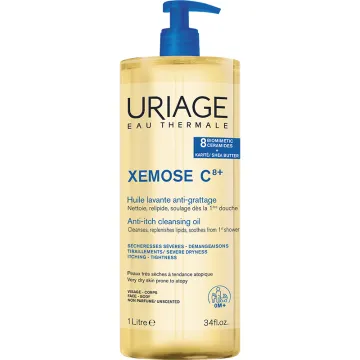
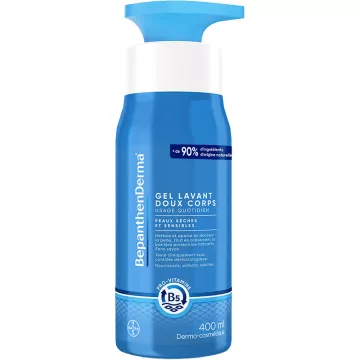
Management is based on two complementary pillars: restoring the skin barrier and providing intense moisturization. Cleanse with lukewarm (never hot) water using an ultra-gentle product: a superfatted cleansing oil, an enriched syndet, or a soap-free dermatological bar. Keep showers short (5 to 10 minutes maximum), and pat the skin dry.
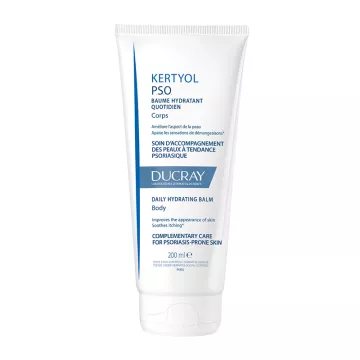
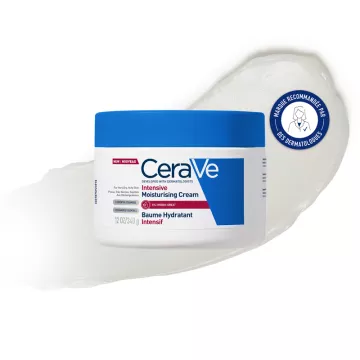
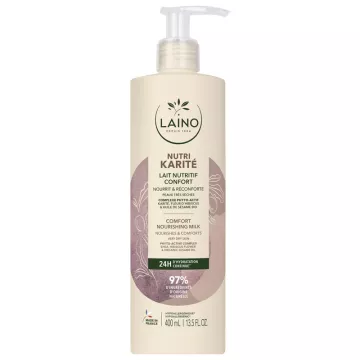
Moisturize immediately after showering, while the skin is still damp, using a rich moisturizer containing ceramides, shea butter, urea, and essential fatty acids. Two to three applications a day may be necessary for very dry skin, with additional applications on the most exposed areas (hands, elbows, knees, heels, lips).
Several complementary steps provide long-lasting comfort:
The first signs of improvement generally appear within 2 to 4 weeks with consistent use.
Several well-documented active ingredients are particularly effective for very dry skin:
The combination of ceramides, cholesterol, and fatty acids replicates the natural composition of the skin barrier and delivers the best results. For ceramides and panthenol in general, specific resources are available.
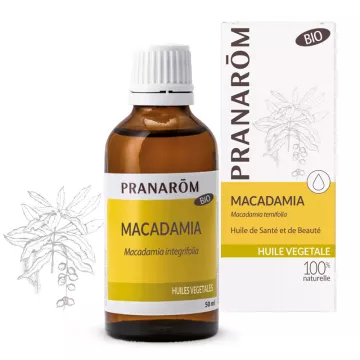
Certain natural approaches can complement a tailored skincare routine. Raw shea butter, which is particularly rich in essential fatty acids and fat-soluble vitamins, intensely nourishes the driest areas (elbows, knees, heels, hands). Plant-based oils (sweet almond, avocado, argan, jojoba) restore the skin’s suppleness.Borage oil andevening primrose oil provide essential fatty acids that are valuable for the skin barrier.
Purealoe vera gel soothes and provides light hydration. Colloidal oatmeal baths, recognized by the HAS for atopic dermatitis, offer significant relief for itchy skin. Pure honey (manuka, acacia) used as an occasional mask moisturizes and soothes, provided there is no allergy.
Absolutely avoid: lemon juice (phytophototoxic), undiluted vinegar (irritating), baking soda (alkaline, disrupts the skin’s pH), and untested essential oils (increased risk of allergic reactions on compromised skin). A 48-hour patch test on the inner elbow is still recommended before any widespread use.
Diet directly influences the quality of the skin barrier. Essential fatty acids are the building blocks of epidermal lipids. Fatty fish eaten twice a week (salmon, sardines, mackerel, herring), nuts (walnuts, almonds, flaxseeds, chia seeds), and high-quality vegetable oils (canola, walnut, flaxseed, hemp) provide the essential omega-3 fatty acids EPA and DHA.
Fat-soluble vitamins and antioxidants contribute to skin regeneration:
Limit: simple sugars, ultra-processed foods, excessive alcohol, and low-fat diets (which can lead to deficiencies in essential fatty acids). Our natural antioxidants section offers supplements to help make up for any deficiencies.
Climate variations significantly contribute to severe skin dryness.Winter is the most challenging season: cold, dry outdoor air; wind that accelerates water loss; and indoor heating that dehydrates the skin. The skin barrier loses more water, dryness intensifies, and cracks may appear. Your skincare routine should be enhanced: use richer balms on exposed areas (hands, lips, face), use a humidifier in living spaces, wear protective clothing (gloves, scarves), and take shorter, lukewarm showers.
In summer, air conditioning and sun exposure can, paradoxically, worsen dryness. Rigorous sun protection with SPF 30 to 50+ becomes essential, ideally using mineral filters, which are better tolerated. Rinsing off quickly after swimming and increasing oral hydration help maintain comfort. Thermal water sprays refresh and soothe throughout the day.
Fall and spring are transitional periods when your skincare routine should be adjusted gradually. For people with high levels of sun exposure (athletes, outdoor workers, those in extreme climates), a more precise adjustment to the routine may be necessary.
Prevention is based on a few simple but consistent principles.Daily moisturizing in the morning and evening with a suitable emollient preserves skin suppleness and limits episodes of severe dryness. The most exposed areas (hands, elbows, knees, heels, lips) deserve special attention, especially during the winter months.
Hygiene habits directly affect skin quality: take short showers with lukewarm water, use gentle cleansers with a pH close to that of the skin, avoid harsh soaps, and gently pat the skin dry. Wearing gloves while doing household chores and during the winter provides long-lasting protection for your hands.
The indoor environment requires a few adjustments: use a humidifier when the heating is on high, ventilate regularly, and maintain a moderate room temperature. Daily sun protection with SPF 30 to 50+ prevents photoaging, which exacerbates dryness over the long term.
Several situations warrant a visit to a doctor or dermatologist. Prompt medical attention is necessary in cases of deep or painful cracks that do not heal, oozing or scabbing, intense itching that disrupts sleep, well-defined patches with thick scales (suspected psoriasis), rapid spread of the rash, or suspected bacterial or viral superinfection.
A scheduled consultation is recommended if symptoms persist despite following an appropriate treatment regimen for 4 to 8 weeks, if there are frequent recurrences with no obvious cause, if there is a family history of skin conditions (eczema, psoriasis), or if the condition significantly impacts quality of life. Laboratory tests may be recommended to investigate systemic causes (thyroid function, blood glucose, ferritin, kidney function).
Depending on the case, the dermatologist may prescribe: topical corticosteroids for severe inflammation; calcineurin inhibitors for atopic dermatitis; specifically tailored prescription emollients; antihistamines for severe itching; UVB phototherapy for certain types of psoriasis or severe eczema.
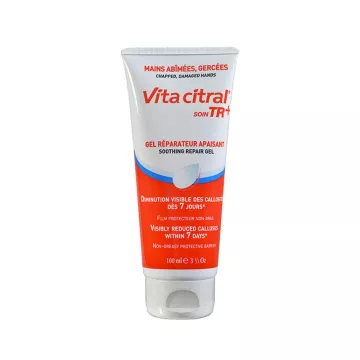
Your pharmacist remains a valuable resource for guidance on daily skincare routines and to complement medical care. Specific products are available for damaged hands and sensitive skin in general.