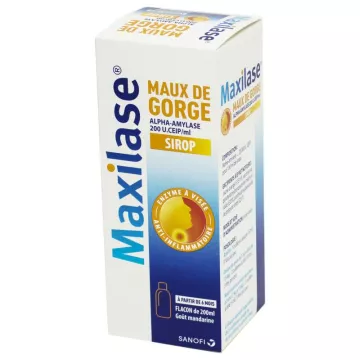
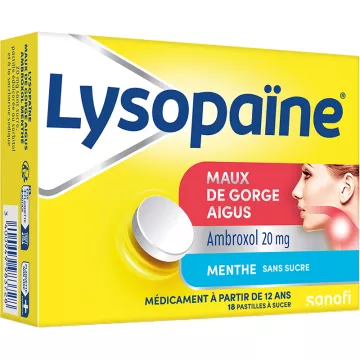
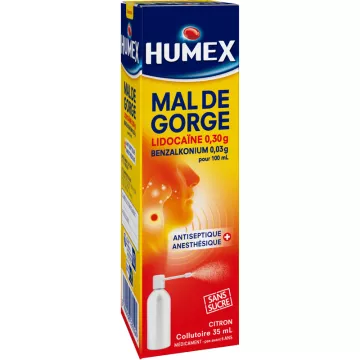
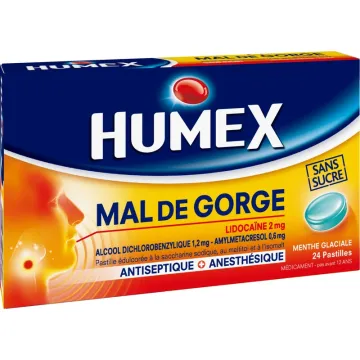
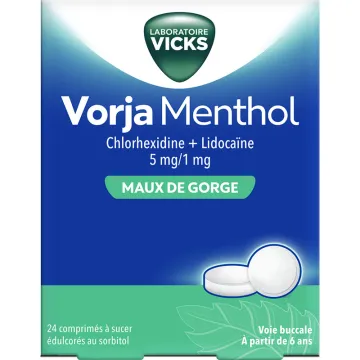
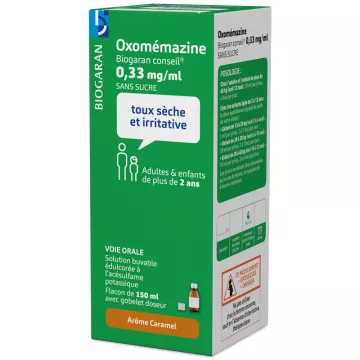
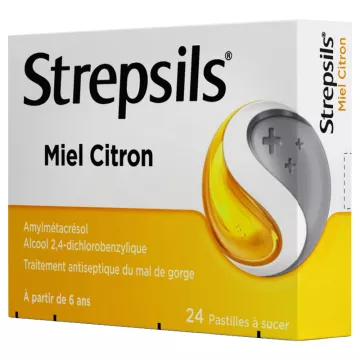
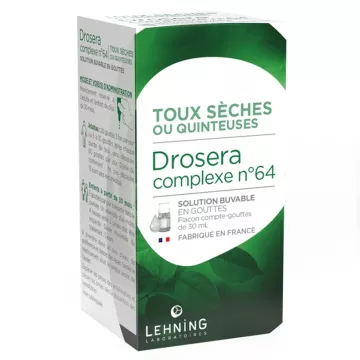
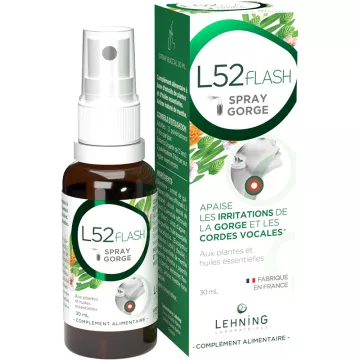
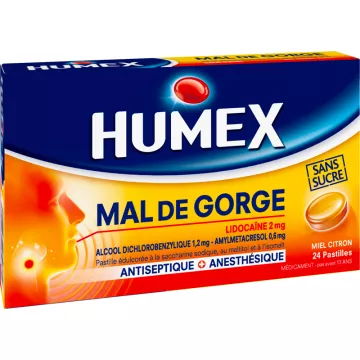
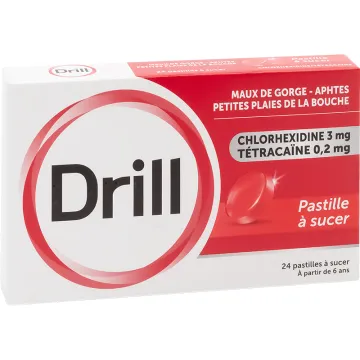
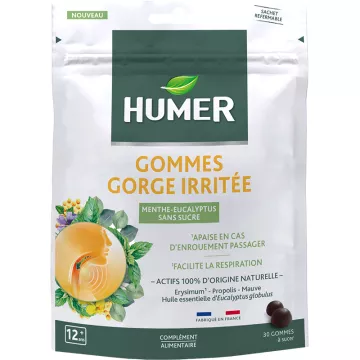
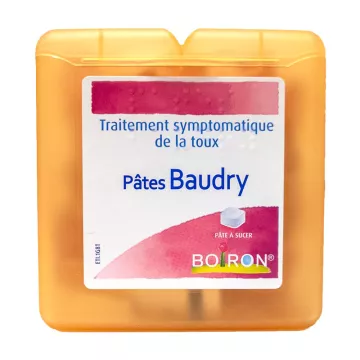
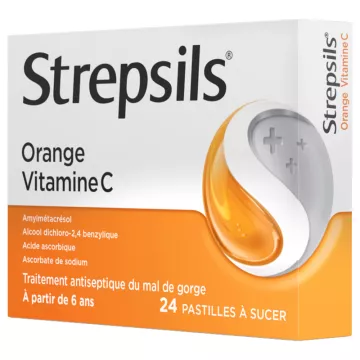
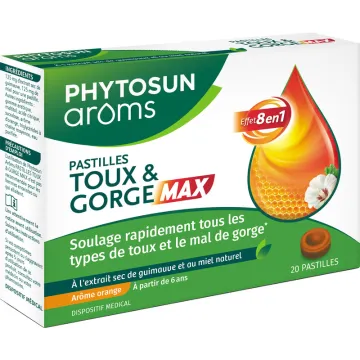
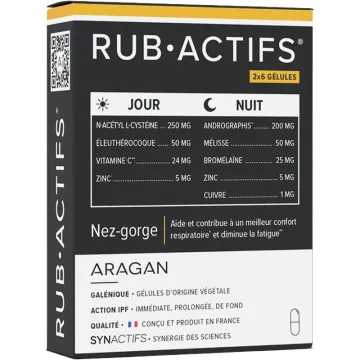
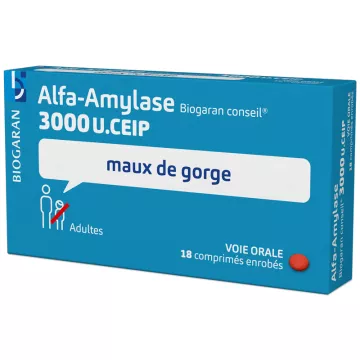
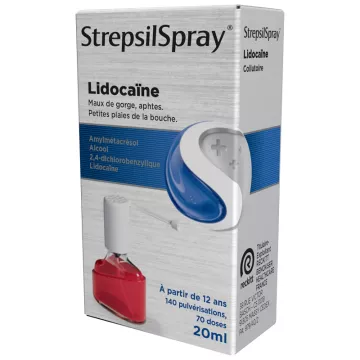
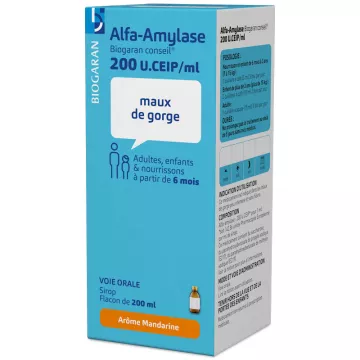
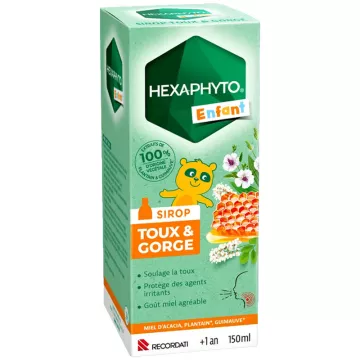
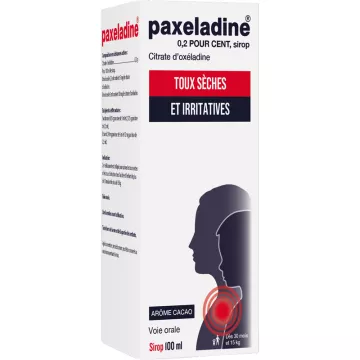
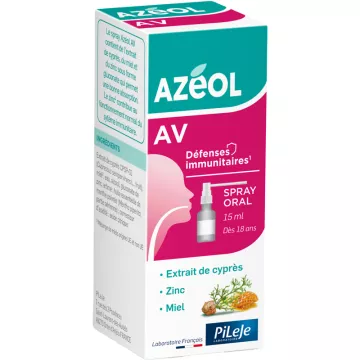
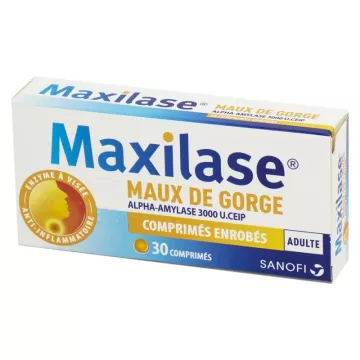
Throat inflammation —or pharyngitis—is an irritation and inflammation of the pharynx (back of the throat) characterized by pain when swallowing, redness, and sometimes swelling of the tonsils. It is one of the most common ENT complaints in primary care. In 70 to 80% of cases, it is caused by a virus (rhinovirus, seasonal coronavirus, influenza virus, EBV—mononucleosis) and resolves on its own within 5 to 7 days without antibiotics. In 20–30% of cases, it is bacterial—primarily caused by Group A streptococcus (Streptococcus pyogenes)—and requires antibiotic treatment to prevent complications. Throat care products are available in the sore throat and ENT sections of the store.
In addition to infections, other factors can cause or contribute to throat inflammation: gastroesophageal reflux (GERD—nighttime acid irritation of the pharyngeal mucosa), dry and cold air, smoking, exposure to chemical irritants or pollution, and allergens. See the “Throat Soothers ” page for recommended soothing remedies.
The clinical distinction between viral and bacterial pharyngitis is fundamental because it determines whether or not antibiotics should be used. The McIsaac score helps guide this decision:
The rapid streptococcal diagnostic test (RDT), performed in a few minutes at a doctor’s office or pharmacy, confirms or rules out a streptococcal cause—it is the recommended gold standard before prescribing any antibiotics. See a doctor promptly if you have a fever > 39 °C, difficulty swallowing liquids, difficulty opening your mouth (suspected peritonsillar abscess), a widespread rash (scarlet fever), or symptoms that do not improve within 48 to 72 hours. Call 15 if you have difficulty breathing.
For mild viral pharyngitis, several natural approaches effectively relieve discomfort. Gargling with warm salt water (1/2 teaspoon in 200 mL of water—2 to 3 times a day) reduces mucosal swelling through an osmotic effect. Honey (preferably Manuka honey), taken in a warm herbal tea or by the spoonful, acts as an emollient, antibacterial, and antiviral agent—not recommended for children under 1 year of age. Propolis oral spray has antibacterial and antiviral effects on the mucous membranes—contraindicated in cases of allergy to bee products. Ginger (fresh infusion + honey + lemon) has anti-inflammatory and local analgesic properties. Vitamin C (500–1,000 mg/day) and zinc (lozenges or tablets—direct contact with the pharyngeal mucosa) support the local immune response.Echinacea reduces the duration and severity of viral respiratory infections (EMA—2 to 4 weeks; contraindicated in autoimmune diseases). These remedies are not a substitute for prescribed antibiotic treatment if the TDR test is positive.