What is a stuffy nose, and what causes it?
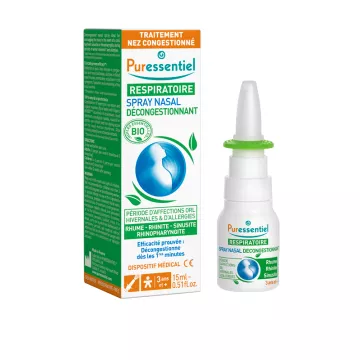
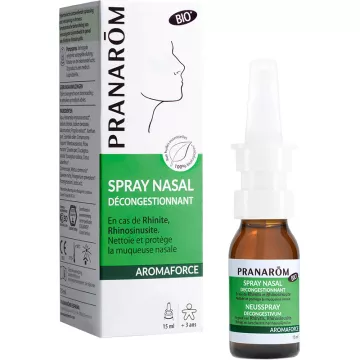
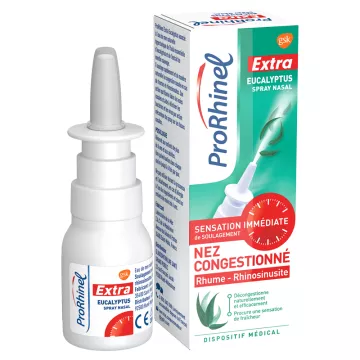
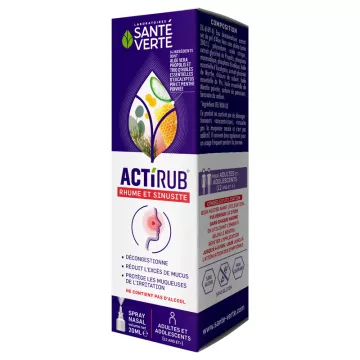
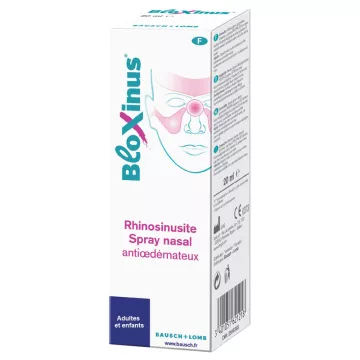
A stuffy nose refers to the blockage of the nasal passages due to excess mucus or inflammation of the nasal turbinates—both mechanisms can occur simultaneously. Nasal congestion results from an inflammatory response of the nasal mucosa to various irritants. Treatments for a stuffy nose andnasal hygiene products are available in the store.
- Viral infections: the common cold (rhinovirus) and the flu—the most common cause—acute inflammation and excessive mucus production—spontaneous resolution within 7 to 10 days in adults—more variable course in young children
- Allergic rhinitis: pollen, dust mites, mold, animal dander—repeated sneezing, nasal itching, clear mucus—seeallergy treatments
- Climatic and environmental factors: cold air (vasoconstriction paradoxically followed by a vasodilatory rebound) — dry air (humidity < 40% — thickening and retention of mucus) — seasonal pollination
- Structural factors: deviated septum, enlarged turbinates, nasal and sinus polyps—requiring an ENT consultation for chronic cases
How can you relieve a stuffy nose at home?
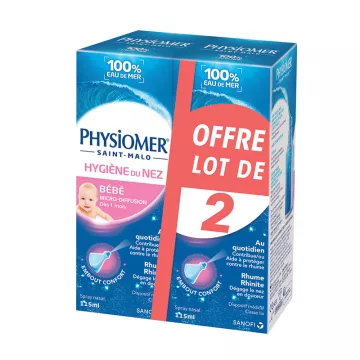
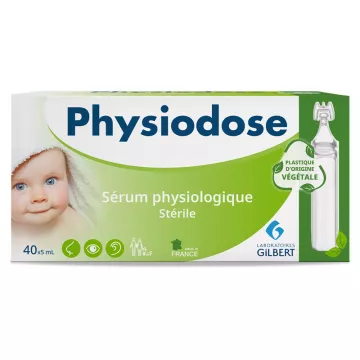
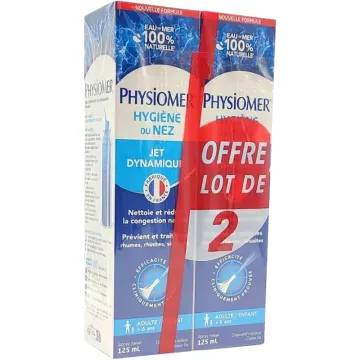
- Saline nasal irrigation: the most effective and best-documented method — isotonic seawater or saline solution — mechanically removes mucus, allergens, and viruses — 2 to 4 times a day during the acute phase — see nasal irrigation — essential before feedings in infants (nasal breathing must be ensured)
- Eucalyptus steam inhalation: hot water at 42–45 °C, 2 to 3 drops of diluted essential oil — cineole has mucolytic and decongestant properties — 10 min, twice daily — contraindicated for children under 7 years of age (risk of burns and bronchospasm)
- Hot herbal tea: thyme tea (expectorant and mucosal antiseptic) or ginger tea (anti-inflammatory) — the warm, moist vapor from the drink moisturizes the nasal mucous membranes and facilitates drainage
- Honey and lemon in hot water: soothing, mildly antibacterial — relieves associated throat irritation — contraindicated for infants under 1 year of age
- Room humidifier: maintain indoor humidity at 40–60% — prevents mucus from thickening and becoming trapped — clean the reservoir regularly to prevent mold
- Hydration: 1.5 to 2 L of fluids per day — maintains the natural fluidity of mucus and facilitates mucociliary clearance
What are the specific considerations for a child’s stuffy nose, and when should you seek medical advice?
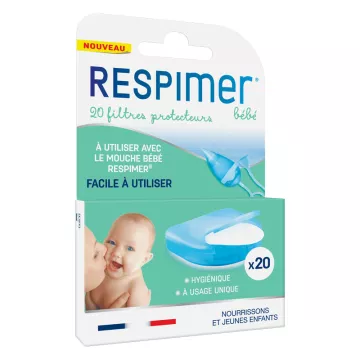
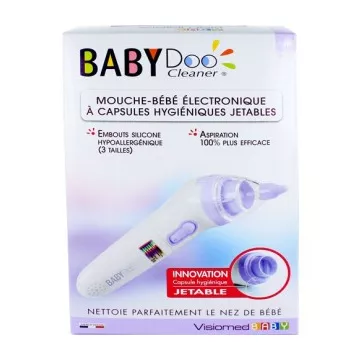
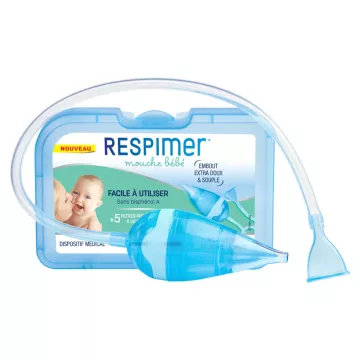
- Infants (0–2 years): It is essential to clear the nose before each feeding — instill 2 to 3 drops of saline solution into each nostril + use a nasal aspirator — never use vasoconstrictors (contraindicated before age 15) — See a pediatrician if the infant is under 3 months old and has a fever > 38 °C
- Children (2–12 years): mild, age-appropriate nasal spray — nasal irrigation with a soft pediatric bottle — oral decongestants (pseudoephedrine) are contraindicated before age 15 — nasal corticosteroids by pediatric prescription for chronic rhinitis
- Complications of untreated nasal congestion: sinusitis (stagnant mucus — secondary sinus infection) — otitis media (common in children due to eustachian tube dysfunction related to congestion) — sleep disturbances and snoring — fatigue and decreased performance
- Lifestyle tips to prevent a stuffy nose: a diet rich in antioxidants and omega-3s (which reduce inflammation in the mucous membranes) — regular physical exercise (improves nasal circulation) — HEPA air purifiers — keeping windows closed during peak pollen seasons (RNSA)