What is the nasal mucosa, and what are its functions?
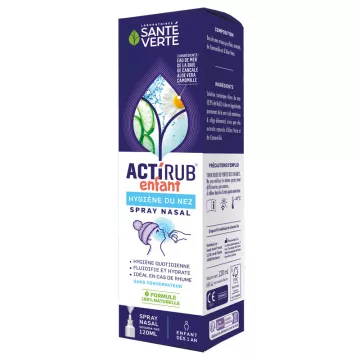
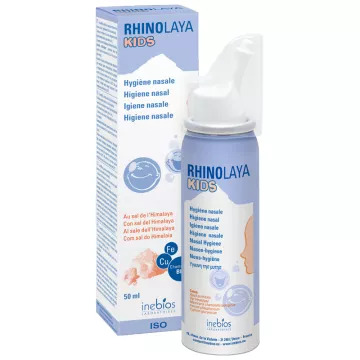
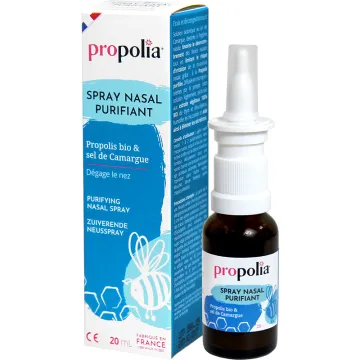
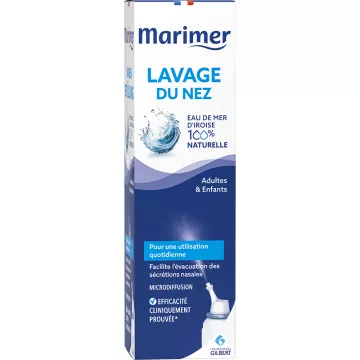
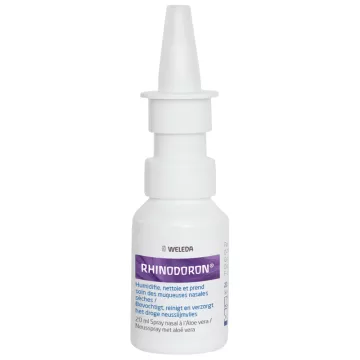
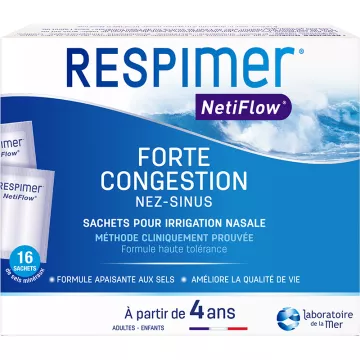
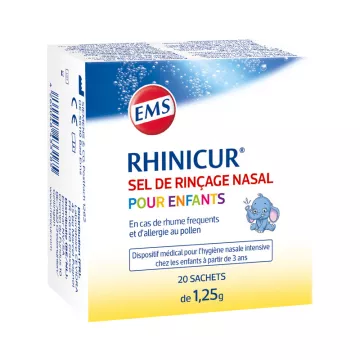
The nasal mucosa is the epithelial layer that lines the inside of the nasal cavities. It serves as the first physiological barrier between the external environment and the deep respiratory tract—its health directly affects the quality of breathing, local immunity, and the sense of smell.Nasal hygiene products and the ENT range are available in the store.
- Histological structure: pseudostratified ciliated columnar epithelium — ciliated cells (300 cilia per cell, beating 1,000 times per minute) — mucus-secreting goblet cells — submucosal glands (aqueous and viscous mucus) — dense submucosal vascular network (nasal conchae—nasal erectile tissue that enables thermoregulation)
- Filtration: Mucus traps particles > 10 µm (dust, pollen, spores, bacteria) — the cilia transport them toward the pharynx via mucociliary clearance (renewal of the mucous layer in 10 to 20 minutes) — first mechanical line of defense against inhaled pathogens
- Air conditioning: humidification of the air to 80–95% relative humidity — warming to 34 °C before reaching the trachea — essential protection of the bronchoalveolar parenchyma against cold, dry air
- Local immunity: secretory IgA (anti-infectious antibodies produced by the mucosal lymphoid tissue) — dendritic cells (activation of the adaptive immune response) — resident macrophages — production of antimicrobial peptides (defensins)
- Smell: The olfactory mucosa in the upper part of the nasal cavities (the roof of each cavity) contains a concentration of olfactory receptor cells — hyposmia or anosmia in cases of mucosal damage (severe rhinitis, viral infections including COVID-19)
What conditions affect the nasal mucosa?
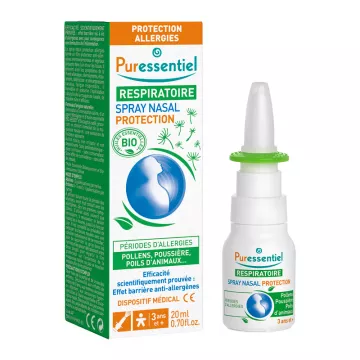
- Allergicrhinitis: IgE-mediated inflammation in response to allergens (pollen, dust mites, animals) — vasodilation, mucosal edema, hypersecretion of mucus—seasonal or perennial allergy —treated with antihistamines and nasal corticosteroids
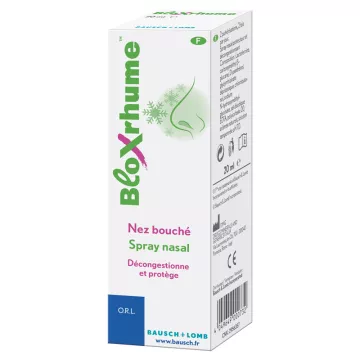
- Infectious rhinitis: viral (rhinovirus, RSV) or secondary bacterial inflammation — nasal congestion, discharge, burning sensation — resolves in 7–10 days for viral forms
- Sinusitis: spread of inflammation to the paranasal sinuses due to their proximity to the mucosa — blocked sinus drainage — facial pressure pain
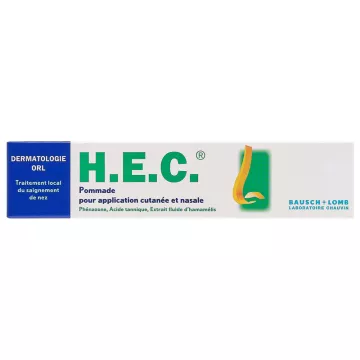
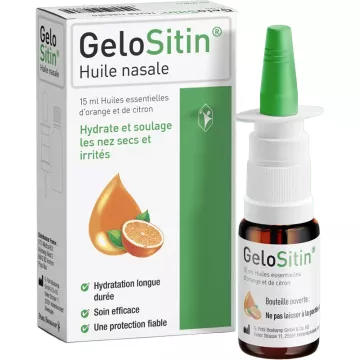
- Mucosal atrophy and dry nose: decreased mucus production with age, in dry environments, or after prolonged use of vasoconstrictors — weakened mucosa, prone to bleeding, irritated nose susceptible to infections
- Impact of stress: Chronic cortisol reduces the secretion of secretory IgA and impairs ciliary function—resulting in a drier, less protective mucosa that is more vulnerable to recurrent ENT infections
How can you maintain the health of the nasal mucosa?
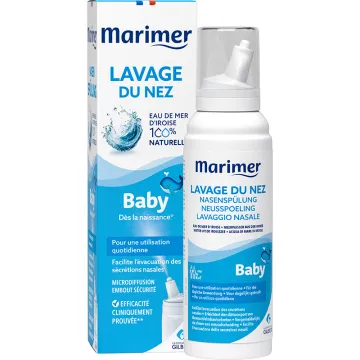
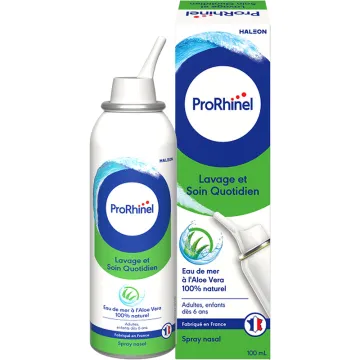
- Hydration and nasal irrigation: 1.5 to 2 L of water per day — isotonic nasal irrigation 1 to 2 times per day to maintain mucosal hydration and remove irritants — room humidifier if humidity is < 40%
- Vitamin A: essential for the differentiation and renewal of epithelial cells — deficiency is associated with metaplasia and weakening of the mucosa — sources (liver, egg yolk, carrots, sweet potatoes, spinach)
- Vitamin C: cofactor in the synthesis of collagen in the submucosa — antioxidant action on ciliated cells — strengthens mucosal immunity — 200 to 500 mg/day through a varied diet or supplementation
- Omega-3 EPA-DHA: maintains the fluidity of epithelial cell membranes—anti-inflammatory properties that reduce mucosal edema during episodes of rhinitis—2 to 3 g/day as a course of treatment or through regular consumption of fatty fish
- Avoid chronic irritants (tobacco smoke—the leading cause of mucosal atrophy, VOCs, air conditioning without humidification)—limit use of vasoconstrictor sprays to a maximum of 3–5 days (medication-induced rhinitis)