0
Menu

Soft Skin: Moisturizing and Care for a Silky Texture

Filter
Number of products : 10
Sort
Sort
Close
Alvadiem Organic Honey Anti-Chafing Cream 75 ml Alvadiem Organic Honey Anti-Chafing Cream 75 ml
€8.90
Shipped within 24h
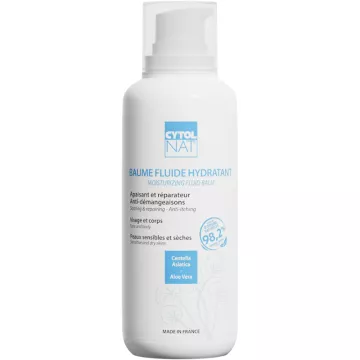
Cytolnat Moisturizing Fluid Balm Cytolnat Moisturizing Fluid Balm
€19.90
Shipped within 24h
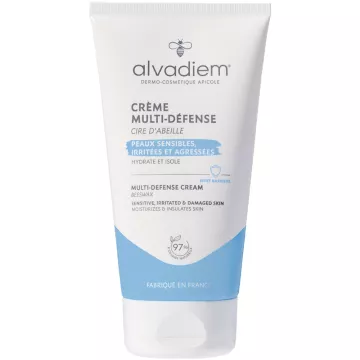
Alvadiem Multi-Defense Cream with Beeswax 150 ml Alvadiem Multi-Defense Cream with Beeswax 150 ml
€11.90
Shipped within 24h
A-Derma Exomega Allergo Emollient Balm A-Derma Exomega Allergo Emollient Balm
200 ml 40 ml
€20.90
Add to cart
Shipped within 24h
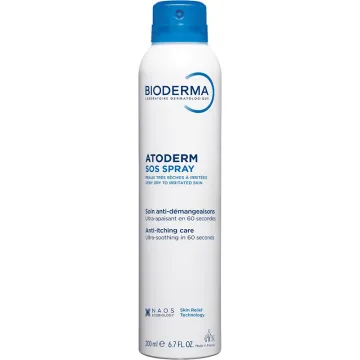
Bioderma Atoderm Sos Ultra Soothing Spray 200 ml Bioderma Atoderm Sos Ultra Soothing Spray 200 ml
€17.70
Shipped within 24h
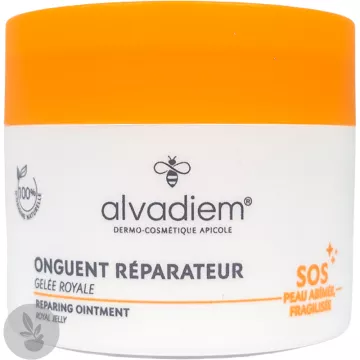
Alvadiem Royal Jelly Repair Ointment 50 ml Alvadiem Royal Jelly Repair Ointment 50 ml
€12.90
Shipped within 24h
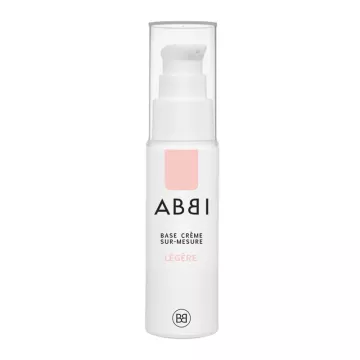
Abbi Base Custom Light Cream 40 ml Abbi Base Custom Light Cream 40 ml
€18.25
Shipped within 24h
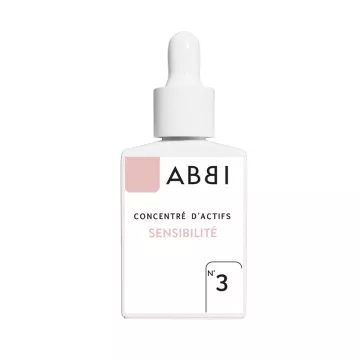
Abbi Actif Sensibilité n°3 15ml Abbi Actif Sensibilité n°3 15ml
€14.40
Shipped within 24h

What are the key factors for maintaining soft skin?

To keep your skin soft, an effective skincare routine is built on several key pillars: proper cleansing, daily moisturizing, protection against external aggressors (UV rays, cold, wind, pollution), and preserving the skin’s barrier. Skincare products enriched with nourishing ingredients such as shea butter orcoconut oil help keep the skin supple all over the body. On the face, coconut oil should be used with caution if you have acne-prone skin (as it may be comedogenic).

How does diet affect skin texture?

A varied diet rich in fruits, vegetables, omega-3s, and plant-based antioxidants supports overall skin health:

  • Fatty fish (salmon, sardines, mackerel, herring): sources of omega-3 EPA and DHA.
  • Avocado: monounsaturated fatty acids and vitamin E.
  • Walnuts, almonds, flaxseeds, and chia seeds: omega-3 and omega-6 fatty acids in a favorable ratio.
  • Berries and colorful vegetables: antioxidant polyphenols and carotenoids.

Conversely, a highly processed diet rich in simple sugars and pro-inflammatory foods often exacerbates dryness and dullness over the long term. Limiting alcohol and quitting smoking are among the most effective steps you can take.

What skincare routine is recommended for ultra-soft skin?

The recommended daily routine:

  • Gently cleanse morning and night with a product free of harsh surfactants.
  • Moisturize with a product suited to your skin type, ideally containing hyaluronic acid, glycerin, ceramides, or shea butter.
  • Moderate exfoliation (no more than once a week for sensitive skin), using a gentle chemical peel or a fine mechanical exfoliant.
  • Occasional soothing masks: colloidal oatmeal (dermatologically recommended for sensitive skin), honey (caution: pollen allergies; never use on children under 1 year of age due to the risk of infant botulism).

What are the best products to use for soft skin?

Products designed for skin that needs to be softened are generally formulated with:

  • Moisturizing agents: hyaluronic acid, glycerin, low-concentration urea.
  • Restorative lipids: ceramides, squalane, shea butter, plant oils (jojoba, argan, sweet almond).
  • Soothing extracts: aloe vera, allantoin, panthenol, bisabolol, colloidal oats.
  • Formulas free of denatured alcohol at the beginning of the INCI list and strong fragrances for sensitive skin.

Choosing products suited to your skin type (dry, sensitive, combination, normal) is key to achieving lasting results. If in doubt, consult a pharmacist or dermatologist.

How does the climate affect skin softness?

Climate variations have a significant impact on the skin. Cold, wind, and dry air (from indoor heating in winter) weaken the skin barrier and can cause tightness, roughness, and fine flakes. Conversely, summer heat and humidity alter skin comfort and sebum balance.

Adapt your skincare routine to the season: richer textures (creams, balms, plant-based oils) in winter, lighter products (gels, lotions) in summer. Maintain proper indoor humidity (use a humidifier if necessary) and protect skin exposed to the cold with an occlusive balm (face, lips, hands).

How can you protect your skin from the effects of aging?

To support your skin over time, combine several approaches:

  • Antioxidant serums: vitamin E, stabilized topical vitamin C, plant polyphenols.
  • Peptide-based serums: support skin comfort and a smooth appearance.
  • Cosmetic retinol: smooths the skin’s texture. Avoid during pregnancy and breastfeeding. Photosensitivity: sun protection is essential.
  • Dailysunscreen with SPF 30 to 50—the first documented anti-aging measure.
  • As a supplement: marine collagen or peptide treatments after consulting a pharmacist.

What massage techniques promote soft skin?

Facial and body massages using a suitable plant-based oil (jojoba, argan, sweet almond) can provide a soothing sensory experience, support skin microcirculation, and improve the skin’s suppleness. Gentle facial massage, manual lymphatic drainage, and “gua sha” are popular techniques.

Precautions: Avoid massage on damaged, burned, or inflamed skin (such as during an active breakout or active rosacea). The term “detoxifying,” sometimes associated with lymphatic drainage, refers more to comfort and decongestion than to a “toxin-removing” effect in the medical sense. On acne-prone skin, prolonged oil massages should be avoided.

What daily habits should you avoid to maintain your skin’s softness?

Certain habits can quickly weaken the skin barrier:

  • Very hot, prolonged showers.
  • Soaps that are too harsh, aggressive foaming shower gels.
  • Vigorous rubbing with a washcloth or towel.
  • Excessive use of exfoliants or layering of irritating active ingredients.
  • Picking at blemishes, which can lead to scars and dark spots.

Opt for moisturizing shower gels or syndets; pat the skin dry gently; apply a moisturizer within 3 minutes of showering to maximize its effectiveness.

Are there any effective home remedies for making the skin softer?

Several home remedies are traditionally used:

  • Sugar scrubs: gentle mechanical exfoliation; avoid using on sensitive, atopic, or rosacea-prone skin, or on the face. Sugar melts quickly, making it less harsh than salt.
  • Olive oil: valued for its fatty acids and vitamin E, which are beneficial for very dry areas of the body. However, it should be avoided in infants (there is documented risk of weakening the skin barrier and worsening eczema in predisposed babies). For babies, opt for specially formulated and clinically tested skincare products.
  • Colloidal oatmeal masks: soothing and well-tolerated, even on sensitive skin.

These approaches are intended as a supplement and do not replace a structured skincare routine or a dermatological consultation in the event of persistent skin problems.

How does hydration affect skin softness?

Consistent hydration is one of the pillars of supple, soft skin. Topical hydration (daily skincare products enriched with hyaluronic acid, glycerin, and ceramides) retains water in the stratum corneum and protects the skin barrier. Internal hydration (on average 1.5 to 2 L/day of water for a healthy adult, adjusted according to your activity level and climate) contributes to overall comfort.

However, drinking water is not a substitute for a topical moisturizer: the two are complementary.

Which skin types require specific care?

Certain skin types require special attention:

  • Dry skin benefits from products rich in restorative lipids (ceramides, shea butter, squalane), creamy textures, and occlusive balms.
  • Sensitive skin requires minimalist formulas that are fragrance-free, denatured alcohol-free, and ideally dermatologically tested.
  • Atopic skin (eczema) requires dermatological monitoring to manage flare-ups and daily use of specific emollients (often covered by insurance with a prescription).
  • Mature skin benefits from the addition of antioxidant active ingredients, peptides, and targeted nutricosmetic support.

What role does pH play in skincare for sensitive skin?

Maintaining a balanced skin pH, between 4.5 and 5.5, is essential for skin health. This slightly acidic pH protects against pathogenic microorganisms and preserves the skin barrier. Cleansers with a pH that is too alkaline (traditional soaps) can disrupt this hydrolipidic film and weaken the skin, particularly in sensitive or atopic skin types.

Opt for gentle cleansers, syndets, or ultra-moisturizing gels with a physiological pH. For the body, daily use of a gentle cleanser is more than sufficient; for the face, a specific product tailored to your skin type is preferable.

Essential Oils and Sensitive Skin: Usage and Precautions

Essential oils (EOs) such as true lavender, Damask rose, or Roman chamomile can be used in cosmetics for their sensory effects. Strict precautions are essential:

  • Always dilute in a carrier oil; never apply undiluted to the skin (unless specifically and strictly indicated).
  • Perform a skin test 24 to 48 hours before first use.
  • Contraindications: pregnancy, breastfeeding (most EOs), infants and children under 3 to 6 years of age depending on the oil, and people with asthma or epilepsy for certain EOs.
  • Photosensitizing essential oils (citrus: bergamot, lemon, orange): Do not expose the skin to the sun for 12 to 24 hours after application.
  • Consult a pharmacist or a trained aromatherapist before any regular use.

How does stress management contribute to skin health?

Chronic stress leads to a prolonged increase in cortisol, which can damage the skin barrier, disrupt hormonal balance, and contribute to dryness,eczema flare-ups, or breakouts. Relaxation techniques (deep breathing, meditation, yoga, walking outdoors) promote better stress regulation, as do regular physical activity and quality sleep.

Certain adaptogenic or soothing herbs (rhodiola, hawthorn, passionflower, valerian) are traditionally used under professional guidance. In cases of debilitating stress, a medical or psychological consultation is recommended.

What role does sun exposure play in skin softness?

Sunlight is necessary for vitamin D synthesis, but excessive and unprotected exposure causes long-term damage to the skin: photoaging, loss of elasticity, age spots, dryness, roughness, and an increased risk of skin cancer. Moderate exposure (10 to 20 minutes on the face and arms outside of peak sun hours) is sufficient for most adults to maintain vitamin D levels, supplemented if necessary with oral supplements in cases of documented deficiency.

Apply a broad-spectrum sunscreen with an SPF of 30 to 50 every morning in sufficient quantity (approximately 2 mg/cm², or one teaspoon for the face and neck), reapplying as needed during prolonged exposure.