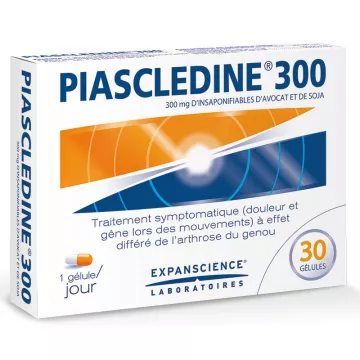
The avocado (Persea americana) is one of the few plant sources that combines monounsaturated fatty acids, fat-soluble vitamins, and carotenoid antioxidants in significant amounts. Its high content of essential fatty acids —primarily oleic acid (omega-9, 60–70%)—gives it well-documented cardioprotective properties: it helps lower LDL cholesterol and maintain HDL levels. As a dietary supplement, avocado extracts (avocado and soy unsaponifiables) are formulated to support joint and cardiovascular health, backed by strong evidence—avocado/soy unsaponifiables (IAS) have been the subject of clinical studies on osteoarthritis of the knees and hips.
Avocado is one of the best plant sources of lutein and zeaxanthin, two carotenoids that accumulate in the retinal macula and protect photoreceptors from damage caused by blue light and oxidative stress. Epidemiological studies link a high intake of lutein to a reduced risk of age-related macular degeneration (AMD) and cataracts. Since these carotenoids are fat-soluble, their bioavailability is greatly increased in the presence of fats—which makes the avocado’s natural lipid matrix an ideal vehicle for their intestinal absorption.
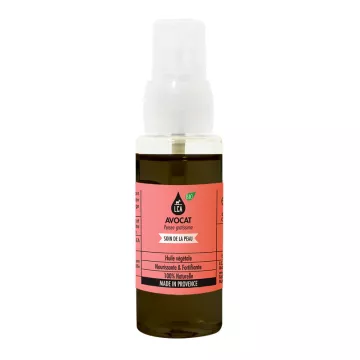
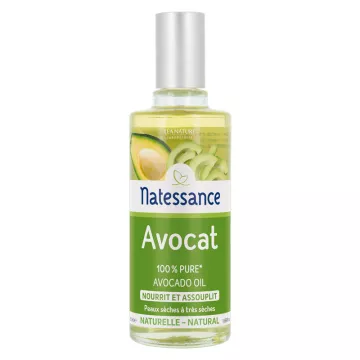
Avocado oil, cold-pressed from the pulp, is a thick, penetrating vegetable oil that is particularly well-suited for dry, mature, or damaged skin. Its composition sets it apart from other vegetable oils:
Applied undiluted or incorporated into creams and serums, it combats visible skin aging, reduces the appearance of scars, and deeply hydrates skin prone to dryness.
Avocados are a source of soluble and insoluble dietary fiber (approximately 6–7 g/100 g), among the highest of commonly consumed fruits. These fibers nourish the colon microbiota, increase stool volume, and regulate intestinal motility, contributing to regular bowel movements. Soluble fibers (beta-glucans, pectins) also have a documented prebiotic effect: they promote the growth of Bifidobacterium and Lactobacillus, beneficial bacteria that produce short-chain fatty acids (SCFAs) essential for the health of the colon’s mucosa.
In hair care, avocado oil is particularly recommended for dry, colored, or chemically treated hair. Its higher viscosity compared to sweet almond oil makes it an intensive nourishing treatment:
However, due to its richness, it is not recommended for fine or oily hair, for which a lighter plant-based oil is preferable.
Despite its high calorie density (about 160 kcal/100 g), the avocado is beneficial for weight management thanks to its unique combination of fiber and monounsaturated fatty acids—two nutrients with strong satiating properties. Fiber slows gastric emptying; oleic acid stimulates the secretion of oleyethanolamine (OEA), an interoceptive satiety signal. Clinical studies have shown that half an avocado at lunch significantly reduces feelings of hunger in the hours that follow. When taken as a dietary supplement, avocado fiber and unsaponifiable extracts amplify these effects by separating them from the caloric intake of the fruit’s flesh.