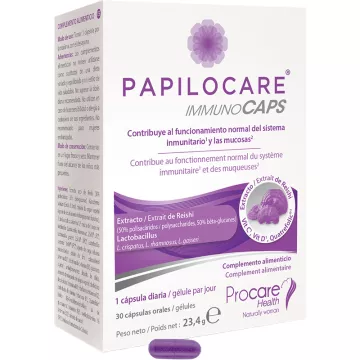
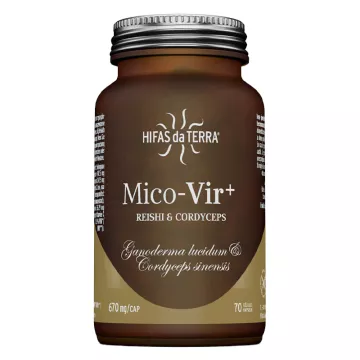
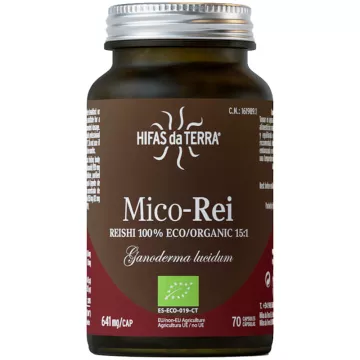
Reishi (Ganoderma lucidum), known as the “mushroom of immortality,” has been used for over 2,000 years in traditional Chinese medicine. Rich in beta-glucans, triterpenes, and antioxidants, it is an adaptogenic mushroom traditionally associated with stress resistance, support for the body’s natural defenses, and vitality. It is primarily found in dietary supplements in the form of standardized extracts.
Reishi is a medicinal mushroom whose polysaccharides (beta-glucans) and triterpenes are the most widely studied active compounds. In herbal medicine, it belongs to the family of adaptogens: plants traditionally used to help the body better tolerate physical and mental stress.
Reishi has a well-documented profile of active compounds in traditional medicine.
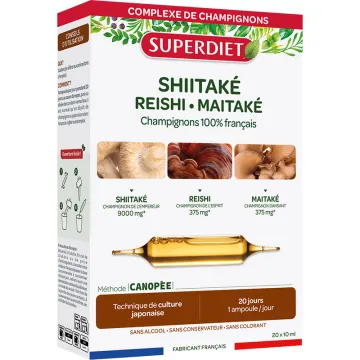
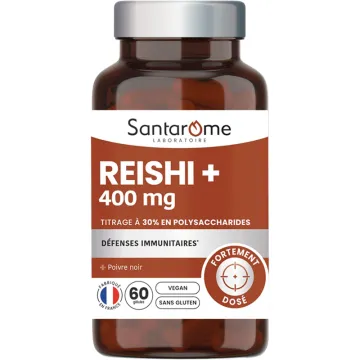
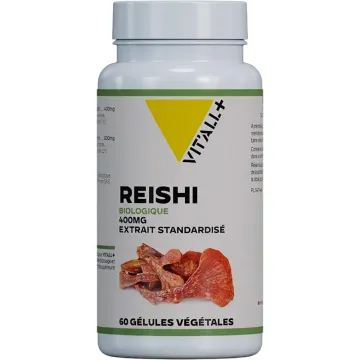
In health food stores, reishi is available in forms suited for targeted treatment regimens.
Reishi is often combined with other medicinal mushrooms, such as shiitake, for a synergistic effect on vitality.
This is one of the most well-documented traditional uses of reishi. Its adaptogenic properties make it useful for managing periods of fatigue and temporary nervousness, and for promoting relaxation in the evening, which supports better sleep. These effects are based on herbal medicine traditions and do not replace medical treatment for an anxiety disorder or chronic insomnia.
The quality of the product determines its effectiveness and safety.
Despite its long history of use, reishi requires certain precautions.
Content reviewed by Arnaud, Ph.D. in Pharmacy.