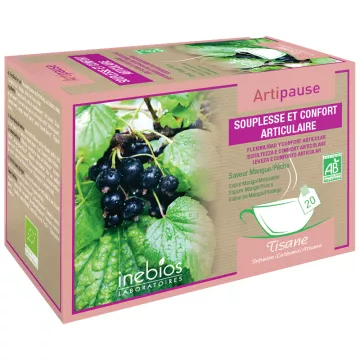
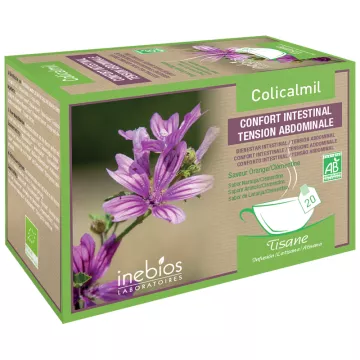
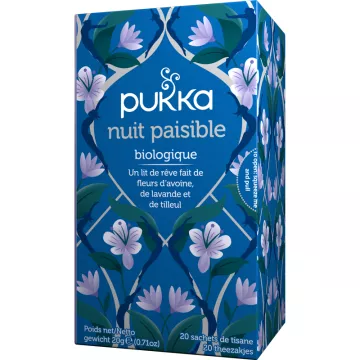
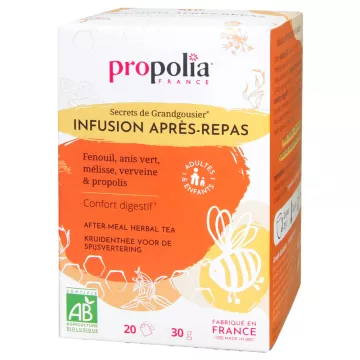
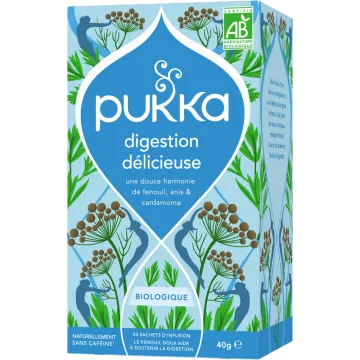
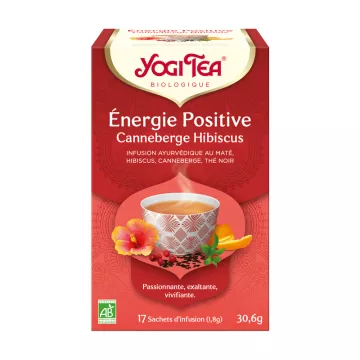
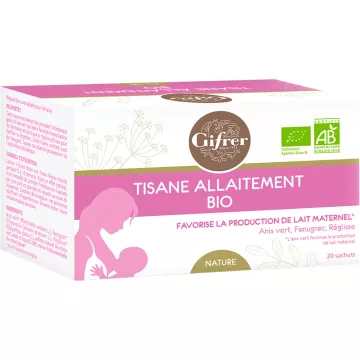
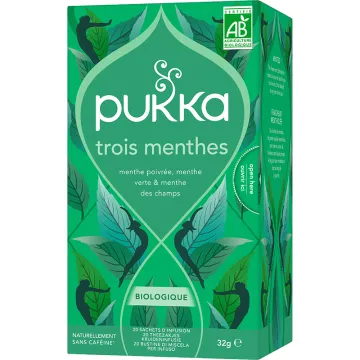
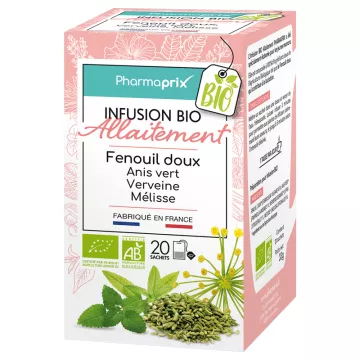
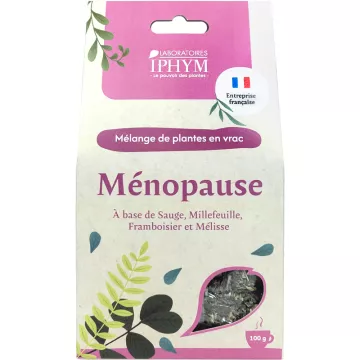
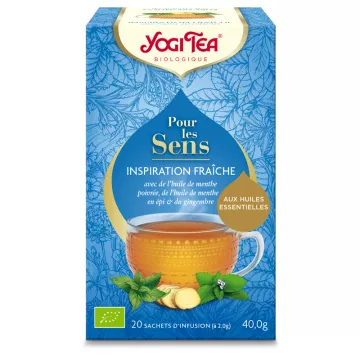
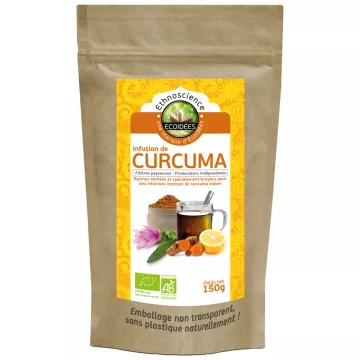
What is organic herbal tea?
Organic herbal tea is made from plants, flowers, roots, leaves, or bark grown using organic farming methods. This method of cultivation excludes synthetic pesticides, chemical herbicides, and artificial fertilizers, in accordance with strictly controlled standards.
Choosing organic makes the most sense when it comes to herbal tea: since the plants are steeped in hot water, any pesticide residues dissolve easily into it. Choosing organic limits this exposure while supporting biodiversity and farming practices that respect the soil. For chamomile and mint in general, additional resources are available.
Which labels should you look for?
Several certifications guarantee the quality of an organic herbal tea:
- AB (Agriculture Biologique): the leading French label, managed by the INAO
- European Euroleaf: the European equivalent, with the same requirements
- Ecocert, Bureau Veritas, Certisud: recognized independent certification bodies
- Demeter: biodynamic certification, with stricter requirements
- Nature & Progrès: a pioneering association charter with broader ethical criteria
Prioritizing plants of European origin—ideally French—ensures better traceability and reduces the carbon footprint. The inclusion of a grower’s or farmers’ cooperative’s name on the packaging is an additional guarantee of transparency.
What are the benefits of each plant?
Each organic herb offers traditional uses validated by both experience and research:
- Sleep and relaxation: chamomile, linden, lemon balm, passionflower, verbena, orange blossom
- Digestion: peppermint, ginger, fennel, anise, rosemary
- Immunity and winter: thyme, elderberry, echinacea, cinnamon, eucalyptus
- Drainage and detox: dandelion, birch, stinging nettle, cherry stem
- Energy and concentration: rosemary, ginseng, mate (in the morning)
For lemon balm, linden, and ginger in general, specific resources are available.
How should it be prepared and stored?
A few guidelines ensure you get the full benefits:
- Filtered, simmering water (85–95 °C), not boiling: preserves the active ingredients
- 1 tablespoon per cup; steep for 5 to 10 minutes with the lid on
- Decoction (simmer for 10–15 minutes) for roots and bark
- Store in an opaque, airtight container, away from light, in a cool, dry place
- Shelf life: best consumed within one year (a bright color and strong aroma indicate freshness)
- Do not store near strong spices (to prevent flavor transfer)
For thyme and peppermint in general, specific resources are available.
What precautions should be taken in daily use?
Organic products do not eliminate the standard precautions of herbal medicine:
- Vary the herbs rather than using a single one for an extended period (ideally 3 weeks with a break)
- Pregnancy and breastfeeding: pharmaceutical consultation required; several herbs are contraindicated
- Infants: adjusted doses, mild herbs (chamomile, linden, fennel); do not use before 6 monthsof age
- Documenteddrug interactions: St. John’s wort, ginkgo, licorice, ginseng
- Chronic conditions (high blood pressure, diabetes, kidney or hormonal disorders): consultation with a pharmacist is necessary
- Weight management: Herbal teas can complement a holistic approach but do not replace a balanced diet or physical activity
Organic herbal tea is part of a balanced lifestyle but is not a substitute for it. It does not replace medical treatment or a consultation in the event of persistent symptoms. Your licensed pharmacist remains a valuable resource for guiding your choice of herbs based on your goals and identifying any contraindications, in addition to appropriate medical care. Specific resources are available for passionflower and hawthorn in general.