Oligotherapy is a complementary approach that uses trace elements in low doses to support the body’s overall condition and certain physiological functions. It was developed in France in the 1930s thanks to the work of physician Jacques Ménétrier, who pioneered the concept of “diatheses”—typological profiles associated with specific reference minerals.
Trace elements are minerals present in the body in very small quantities but essential for the functioning of hundreds of enzymes, proteins, and cellular reactions. Oligotherapy is not a substitute for any medical treatment: it is intended as a complementary approach, distinct from conventional nutritional supplementation offered in the vitamins and minerals category.
In oligotherapy, minerals are administered in the form of diluted soluble salts, most often as oral solutions available in ampoules, vials, or sublingual tablets. This dosage form allows for absorption through the mucous membranes, independent of the digestive process.
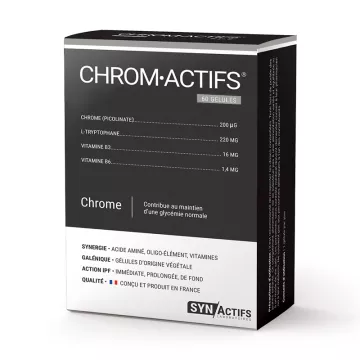
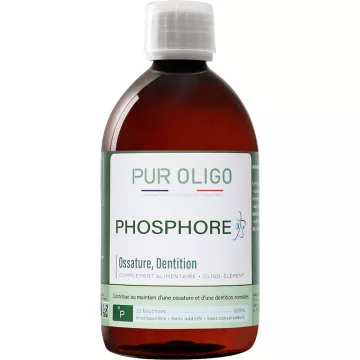
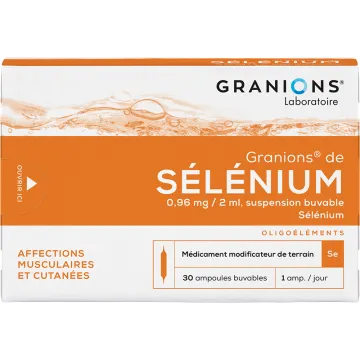
Several pharmaceutical product lines have been developed based on this approach: Granions, Oligosol from Labcatal, Oligomax, Puroligo, and Quinton, which is made from microfiltered seawater. The choice depends on the specific mineral needed, the dosage form, and pharmaceutical advice tailored to the individual’s needs.
Oligotherapy is based on about fifteenmajor trace elements and constitutional modulators. Each has physiological functions recognized by the EFSA and nutritional claims governed by European Regulation 432/2012.
Among the most commonly used are magnesium, which contributes to normal psychological functions and normal muscle function; zinc, essential for normal immune function and the maintenance of normal skin; copper, involved in the normal pigmentation of the skin and hair; selenium, which helps protect cells against oxidative stress; iron, which contributes to normal oxygen transport; manganese, involved in normal energy metabolism; silicon, which supports connective tissues; and chromium, which contributes to the normal metabolism of macronutrients. The “trace minerals ” category includes all of these nutrients.
One of the best-known traditional uses of trace element therapy is to support the immune system, particularly during the winter months or periods of temporary fatigue. This use is based on the recognized physiological role of certain minerals in normal immune function.
Zinc, copper, and selenium are the trace elements most commonly cited in this context of constitutional health. The “copper-gold-silver” combination, proposed by the early Ménétrier diatheses, remains a classic in traditional oligotherapy for constitutions prone to recurrent infections. Scientific rigor, however, requires us to note that oligotherapy does not treat an active infection: a persistent fever, warning signs, or a confirmed infection require medical consultation.
From a dermatological and phanerological perspective, several trace elements play a recognized role in the normal physiology of the skin and hair. These claims are regulated by the EFSA and do not constitute a therapeutic promise.
Zinc contributes to the maintenance of normal skin and is used to support skin prone to blemishes. Copper contributes to normal pigmentation and the integrity of connective tissues. Silicon, which is abundant in the dermis and skin appendages, is traditionally used to support the health of the skin, hair, and nails. This approach complements topical treatments—without replacing them—for confirmed dermatological conditions that require a medical diagnosis.
Oligotherapy is frequently recommended to address temporary drops in energy levels associated with seasonal changes, overwork, or periods of intense athletic training. Several minerals contribute to normal energy metabolism and the reduction of fatigue.
Iron contributes to the normal formation of red blood cells and to the reduction of fatigue; over-the-counter supplementation must be monitored, as an excess is harmful and a deficiency requires a blood test. Magnesium supports normal muscle function and electrolyte balance, which is beneficial for both athletes and stressed adults. Potassium, chromium, and manganese round out this range for targeted treatment regimens, ideally guided by prior laboratory testing and pharmaceutical advice.
Magnesium is the trace element best known for its role in normal nervous system function and normal psychological function. It is widely used to support individuals under stress, in a 3- to 4-week regimen, with a focus on relaxation rather than “treatment” of anxiety.
The trace element lithium, used in very low doses in the Ménétrière tradition, must under no circumstances be confused with the psychiatric drug lithium prescribed for certain mood disorders. Any persistent anxiety symptoms, established sleep disorders, or mood-related symptoms require evaluation by a physician and should not be self-treated with oligotherapy.
The scientific literature on oligotherapy in the diathesis-based sense as defined by Ménétrier remains limited: most of the robust data pertain to minerals taken as conventional supplements at nutritional doses and their role in health claims validated by the EFSA.
The ANSM and the HAS do not take a position on oligotherapy as a formally recognized therapeutic framework, but trace-element-based products are registered as dietary supplements or as drugs depending on their formulations and claims, in accordance with the Public Health Code. Oligotherapy should therefore be viewed as a complementary approach, to be integrated into an overall healthy lifestyle and never as a substitute for ongoing medical treatment.
Oligotherapy is generally well tolerated at recommended doses, but special caution is still warranted. The notion that “minerals are harmless because they are natural” is a common misconception that must be dispelled.
Iron should not be taken as a long-term self-medication: an excess promotes oxidative stress and masks certain deficiencies. High doses of zinc interfere with copper absorption. Selenium has a narrow safety margin; toxicity has been documented at doses exceeding the recommended levels. Pregnant or breastfeeding women, children, and patients on long-term medication (particularly antihypertensives, anticoagulants, diuretics, and thyroid medications) should consult a pharmacist before starting any treatment. Store the solutions away from light and heat, in their original packaging.
Several healthcare professionals can guide a course of oligotherapy: a physician trained in oligotherapy or integrative medicine, a licensed pharmacist knowledgeable in complementary medicine, or a certified naturopath registered with a recognized federation (FENA, OMNES). A well-designed treatment regimen is based on a clinical consultation, not on a standard prescription.
Before beginning an oligotherapy regimen, it is advisable to verify the practitioner’s training and experience, disclose all current treatments, and undergo targeted blood tests when warranted (ferritin, magnesium levels, zinc levels, complete blood count). This approach provides an objective assessment of the patient’s condition and helps avoid redundant or counterproductive combinations. The complete selection of products is available in the oligotherapy category.