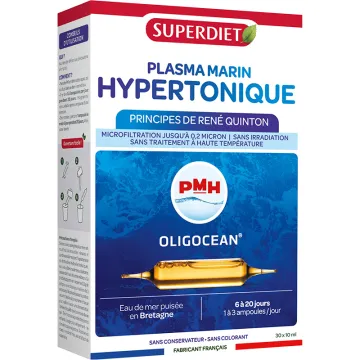
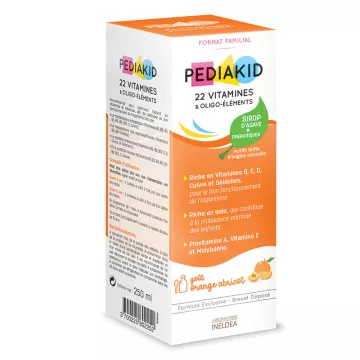
Trace elements are essential minerals found in the body in very small amounts, generally in the range of milligrams or micrograms. They play a role in hundreds of biochemical reactions by acting as enzyme cofactors, protein components, or cellular regulators, and their intake depends entirely on diet.
Unlike macronutrients (carbohydrates, fats, and proteins), trace minerals do not provide energy: they orchestrate the physiological functions that convert this energy into cellular activity. Their role is the subject of nutritional claims regulated by the EFSA and European Regulation 432/2012. The “vitamins and minerals” category includes the main products available at pharmacies.
Trace elements are involved in a wide range of physiological functions: cellular energy production, immune defense, oxygen transport, hormone synthesis, skin and appendage integrity, and normal nervous and muscular function.
They exert their effects at very low doses, which explains the term “oligo” (from the Greek oligos, meaning “few”). An adequate intake prevents functional deficiencies, while an excess exposes the body to toxicity specific to each mineral. Nutritional balance therefore remains the primary goal, taking precedence over any supplementation. This approach differs from that ofoligotherapy, a complementary approach that uses the same minerals at so-called “diathesis” doses according to a framework developed by Dr. Jacques Ménétrier.
Iron, zinc, and magnesium are the three minerals most frequently discussed in nutrition and supplementation. Deficiencies in these minerals are common in certain populations.
Iron contributes to normal oxygen transport, the normal formation of red blood cells and hemoglobin, normal energy metabolism, and the reduction of fatigue (EFSA). Zinc contributes to the maintenance of normal skin, bones, hair, and nails, as well as to the normal functioning of the immune system and the protection of cells against oxidative stress. Magnesium contributes to normal psychological functions, normal muscle function, electrolyte balance, and the reduction of fatigue. These benefits are particularly helpful in cases of temporary fatigue or muscle cramps.
Copper, selenium, and manganese have one thing in common: they help protect cells against oxidative stress by acting as cofactors for antioxidant enzymes (superoxide dismutase, glutathione peroxidase).
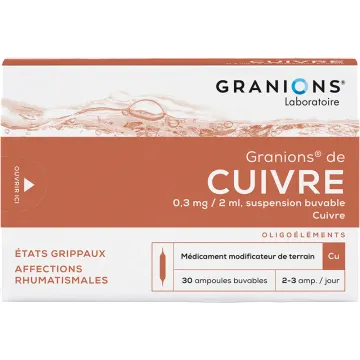
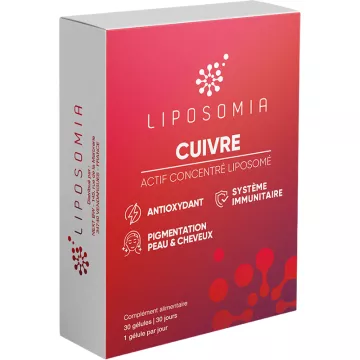
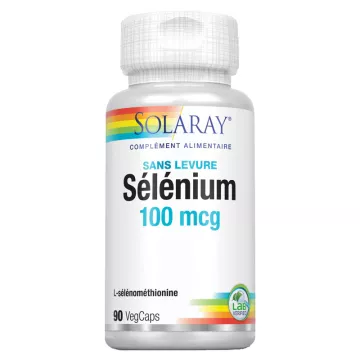
Copper contributes to normal skin and hair pigmentation, normal energy metabolism, and the normal functioning of the nervous and immune systems. Selenium contributes to the maintenance of normal nails and hair, normal thyroid function, and a normal immune system. Manganese contributes to normal energy metabolism, the maintenance of normal bones, and the normal formation of connective tissues. This antioxidant trio effectively complements protective vitamins such as vitamin C and vitamin D3.
Iodine is a trace element essential for endocrine health. It contributes to normal thyroid function, normal production of thyroid hormones, normal energy metabolism, and the maintenance of normal skin (EFSA).
Iodine requirements are particularly high during pregnancy and breastfeeding, periods when supplementation may be discussed with a doctor or midwife. Symptoms suggestive of thyroid dysfunction (unexplained weight changes, persistent fatigue, sensitivity to cold, changes in bowel habits) should not be treated with self-administered iodine supplements: they require laboratory testing (TSH, free T4) and medical consultation.
Beyond trace elements in the strict sense, certain structural minerals contribute to the integrity of the skeleton, connective tissues, and skin appendages. They are often combined with trace elements in nutritional formulas.
Silicon, which is abundant in connective tissues and the dermis, is traditionally used to support the health of the skin, hair, and nails. Calcium contributes to normal muscle function and the maintenance of normal bones; it works synergistically with vitamin D3 and vitamin K2. Phosphorus contributes to normal energy metabolism and the maintenance of bones and teeth. These nutrients complement dietary supplements designed for skin health.
A varied and balanced diet generally meets your trace mineral needs. Several food groups are rich in these micronutrients with high nutritional density.
Seafood and fatty fish provide significant amounts of iodine, zinc, selenium, and magnesium. Dried fruits and nuts (almonds, Brazil nuts, hazelnuts, pumpkin seeds) provide magnesium, selenium, zinc, and manganese. Legumes and whole grains provide non-heme iron, copper, and manganese, provided you vary your sources and soak them beforehand to reduce phytic acid, which binds to these nutrients. Liver and red meat remain the primary sources of readily bioavailable heme iron. Dairy products and eggs supplement the intake of selenium, zinc, and iodine.
An early trace mineral deficiency often manifests as nonspecific symptoms that can easily be mistaken for other causes. Only a blood test can objectively confirm the deficiency and allow for targeted supplementation.
An iron deficiency frequently results in unusual fatigue, a pale complexion, shortness of breath during exertion, and sometimes hair loss; it is part of a condition known as anemia, which requires a medical diagnosis (complete blood count, ferritin, CRP). A magnesium deficiency may manifest as nervousness, cramps, sleep disturbances, or weakness. A zinc deficiency is characterized by dull skin, ridged nails, hair loss, and reduced resistance to infections. An iodine deficiency results in fatigue, sensitivity to cold, and changes in metabolism. Any persistent symptom warrants a blood test before considering long-term supplementation.
Trace mineral supplementation may be recommended in several specific situations, as a complement to an already balanced diet. The most commonly prescribed dietary supplements are part of a comprehensive nutrition plan.
Typical situations include deficiencies confirmed by blood tests, pregnancy and breastfeeding (increased needs for iron, iodine, zinc), periods of convalescence and prolonged fatigue,intense athletic activity with increased electrolyte loss, as well as restrictive diets (strict vegetarianism, diets low in seafood, medically prescribed diets). The “Energy, Vitality, and Fatigue” category includes products designed for these situations.
The notion that “natural minerals are harmless” is a common misconception that should be dismissed. Each trace element has a tolerable upper intake level beyond which documented adverse effects occur.
Excess iron promotes oxidative stress and can trigger or worsen hemochromatosis in predisposed patients. Excess zinc interferes with copper absorption, causes digestive problems, and can paradoxically weaken the immune system. Excessive iodine intake disrupts thyroid function, particularly in cases of underlying autoimmune thyroiditis. Excess selenium leads to selenosis (hair loss, brittle nails, digestive problems) when taken in doses exceeding the recommended levels. The golden rule remains not to exceed the recommended dietary allowances (RDAs) without medical advice, and to prioritize a varied diet as much as possible.